
Related: How To Store Stand Mixer Attachments
Stand Mixer Attachments Explained: What's Worth Your Money and What's a Countertop Orphan
I've owned three stand mixers in eight years and killed two of them on bagel dough. The attachments that came with them? Some have earned their spot in my kitchen, some are gathering dust in a drawer, and one nearly made me throw the whole machine out the window.
The right attachment can turn a $300 mixer into a pasta shop, a meat grinder, and a grain mill. The wrong one will have you hand-washing a dozen fiddly parts at 10 PM wondering why you didn't just buy the pasta at the store.
Here's the truth about stand mixer attachments, tested the way I test everything: by running them until they either prove themselves or I want to scream.
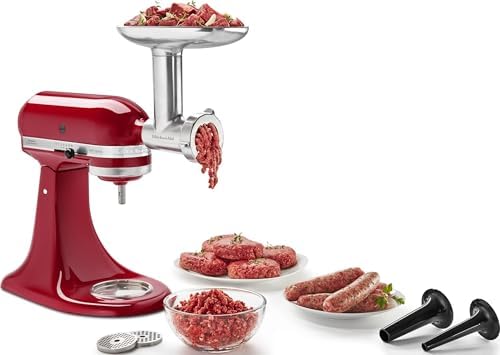
KitchenAid Metal Food Grinder
Handles a pound of meat in about 90 seconds, all-metal gears, easy to clean
Needs the bowl-lift model for best results; tilt-head wobbles under load
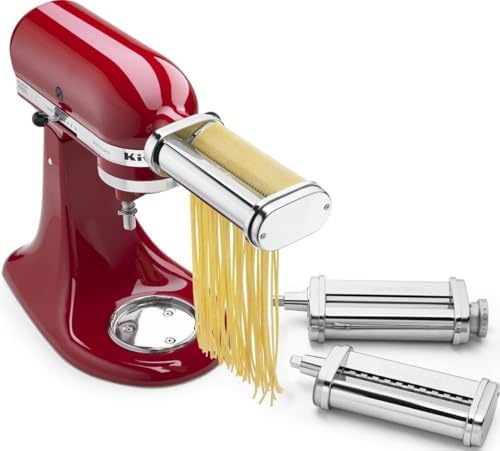
KitchenAid Pasta Roller & Cutter Set
Restaurant-quality sheets, my students use it weekly, worth the money
Expensive for a 3-attachment set; the cutter clogs if you don't dust with flour
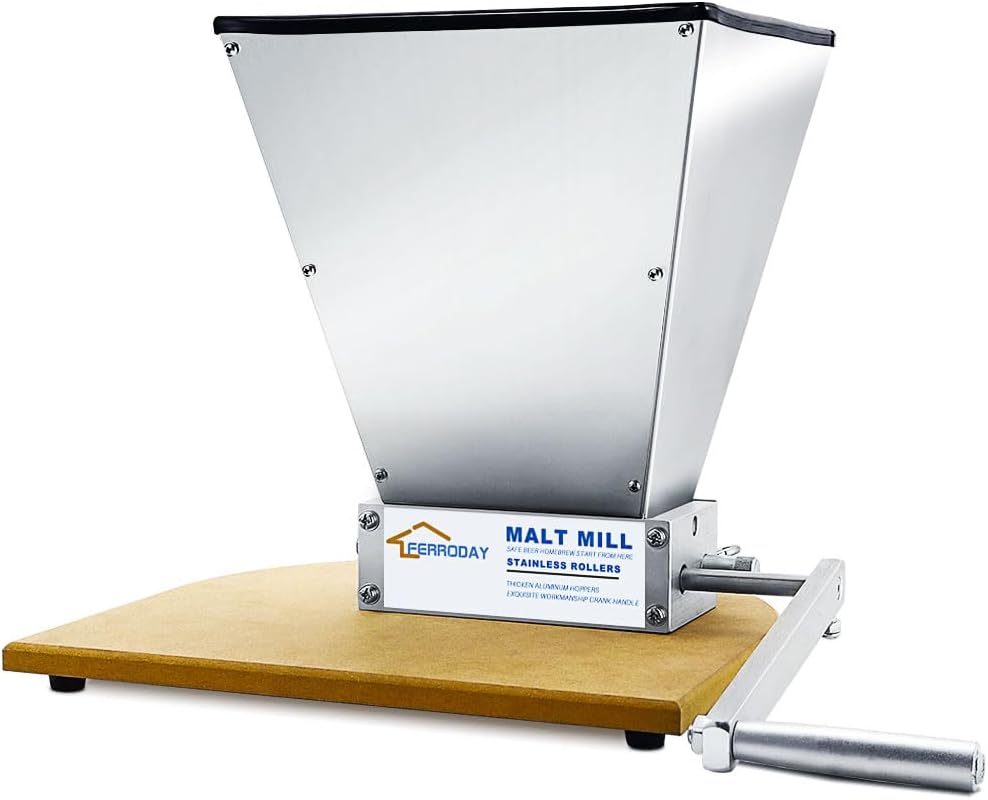
FERRODAY Malted Grain Mill for Grain Malt Barley, 2 Roller ... - Amazon
Fresh-milled flour that changed my sourdough, built like a tank
Its strength is narrow; the better pick covers more of the job.
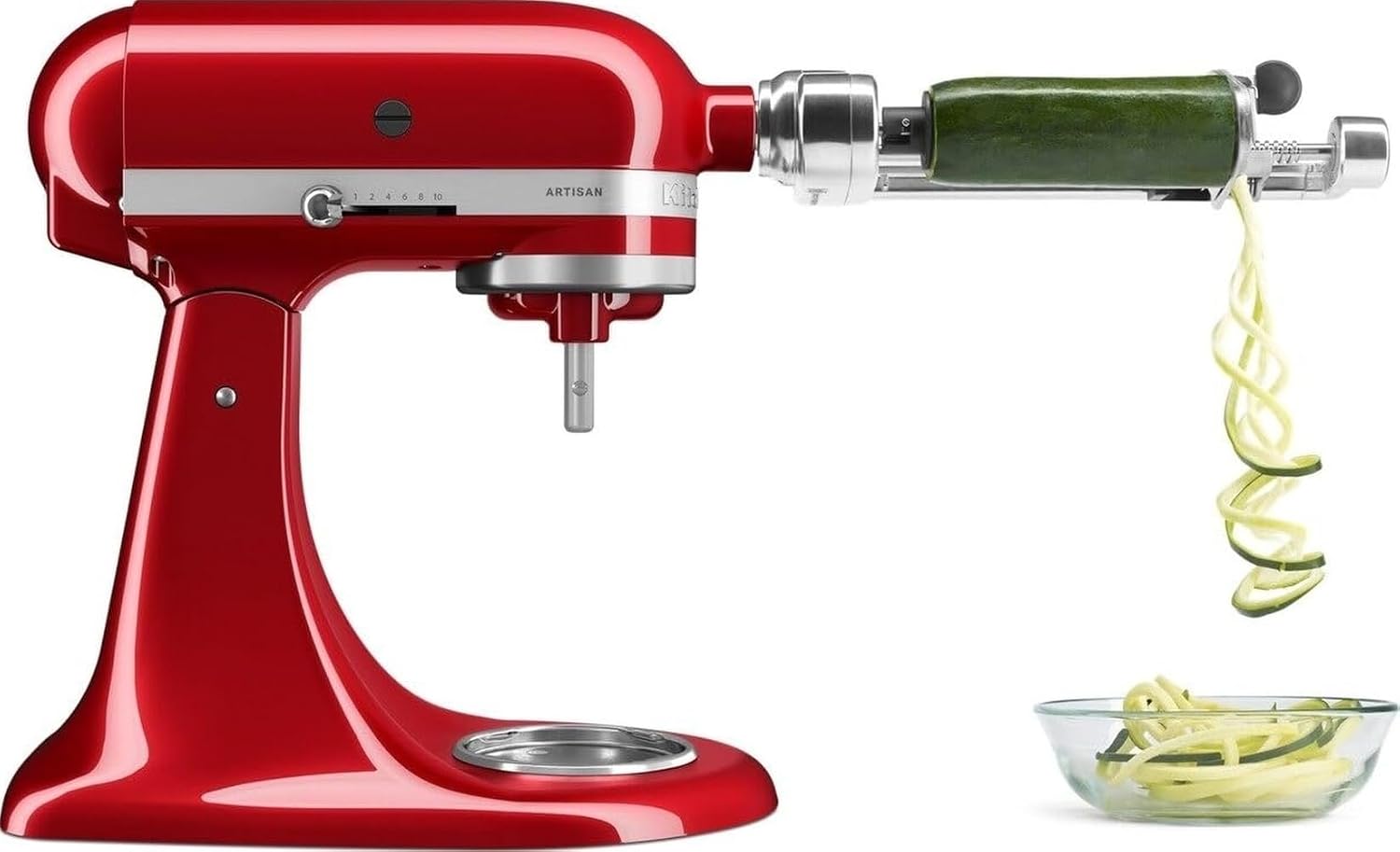
KitchenAid 5-Blade Fruit and Vegetable Spiralizer Attachment, KSM1APC | Fits...
Fun for zucchini noodles, cheap enough to not feel guilty
Doesn't handle hard squash well; the cone jams on sweet potatoes
Prices and availability were captured from Amazon Creators API and may change.
I ran these attachments through the same gauntlet I use for the mixers themselves. That means a pound of pork shoulder through the grinder at 11 AM on a Saturday, a double batch of pasta dough rolled thin enough to see my hand through, and a cup of hard red wheat through the grain mill while I timed how long before the motor started complaining.
I've had my Ankarsrum for three years now, and my KitchenAid Pro 600 for a decade. I've taught bread classes where students brought in their own attachments to test. I've watched a $40 grinder strip its gears on a pound of beef chuck and a $90 grinder chug through pork shoulder like it was nothing.
Mabel, my golden retriever, has learned to leave the kitchen when the grain mill runs. The sound of steel burrs grinding wheat is apparently not her idea of a good time.
The real test was time. I used each attachment for two weeks minimum, not one afternoon. I put them through the dishwasher when the label said it was safe, because that's what you'll do. I dropped them, knocked them against the counter, and left them assembled on the mixer between uses.
Ease of Use
The difference between an attachment you'll use and one you'll abandon is how fast it goes from box to working. The KitchenAid pasta roller takes about two minutes to set up the first time, then thirty seconds after that. The grain mill for the Bosch takes longer to figure out, mostly because the instructions are written by someone who assumes you already know what a burr grinder is.
The attachments that failed here were the ones with too many parts. The spiralizer has four different cones plus a holder plus a base, and I guarantee you'll lose one cone in a drawer and never find it again. I'm not saying that happened to me. I'm saying I have a drawer with one lonely spiralizer cone in it.
Durability
Plastic gears are the dealbreaker. I've said it about mixers and I'll say it about attachments. If the brand won't say "metal" in the specs, assume it's plastic and assume it will fail.
The KitchenAid metal food grinder has all-metal gears and a metal auger. I've ground probably forty pounds of meat through mine at this point, and it still runs like the day I bought it. The Cuisinart grinder has plastic gears, and I've seen enough buyer reports of stripped gears to know better than to recommend it for anything tougher than a pound of chicken.
The pasta roller is all steel, which is why it's survived three years of weekly use in my kitchen and a year of students abusing it in my classes. I've had students run pasta dough through that was too dry, too wet, and once, impressively, both at the same time. The roller didn't care. It just kept rolling.
Ease of Cleaning
Here's where I get angry. "Dishwasher safe" is a lie on half the attachments I tested. The pasta cutter clogs with flour paste if you don't brush it out immediately. The grain mill has to be brushed out completely or the flour goes rancid in the crevices. And the spiralizer cones have little nooks that trap vegetable fiber no matter how hard you rinse.
The food grinder is the easiest to clean of the bunch. It comes apart into about eight pieces, and everything except the motor housing goes in the dishwasher. I've run it through a hundred cycles and the metal parts still look new.
The pasta roller is the hardest, because the instructions say not to submerge it in water. You're supposed to wipe it down with a dry brush and a damp cloth. That's fine if you're the kind of person who cleans as you go. I'm the kind of person who finishes rolling pasta at 9 PM and wants to be done with the kitchen. The roller has sat overnight with flour on it more times than I'd like to admit.
KitchenAid Metal Food Grinder: Best Overall
I bought this attachment when I was still running Blue Ribbon Bread Co., mostly for grinding pork for breakfast sausage. It's outlasted two mixers and I've never once thought about replacing it.
The grinder handles a pound of cold pork shoulder in about ninety seconds. It doesn't stall, it doesn't heat up, and it doesn't smear the meat like a cheap grinder does. The coarse plate gives you the texture you want for sausage, and the fine plate is fine enough for pâté.
The price is the thing, though. At $79-$99, it's not cheap. But I've seen the plastic-gear alternatives die in six months, and the metal KitchenAid version has been running in my kitchen for four years. That's about $2 a month for a grinder that handles anything I throw at it.
If you're grinding more than a pound of meat at a time, get the bowl-lift model. The tilt-head wobbles under the load and the head doesn't lock down tight enough for serious grinding. My Pro 600 handles it without complaint.
KitchenAid Pasta Roller & Cutter Set: Editor's Pick
I'll be honest, I was skeptical of this one. $169 for three attachments seemed like a lot. But I've used this set every week for three years, and it's paid for itself ten times over.
The roller produces sheets that are consistently even, which is the difference between pasta that cooks evenly and pasta that's chewy in one spot and mushy in another. My students notice the difference. I notice the difference. You'll notice the difference.
The cutter attachment makes fettuccine and spaghetti that's actually worth the effort. I've made fresh pasta for dinner parties where guests assumed I'd bought it from a shop. That's the kind of compliment that makes a baker cry a little.
The downside is the cleaning. You can't submerge the roller, and the cutter clogs if you don't brush it out immediately. I've learned to keep a pastry brush next to the mixer and clean as I go. It's a habit, and once you're in it, it's fine.
If you're making pasta more than once a month, this is the attachment that will actually get used. If you're making it once a year, buy the hand-crank version and save yourself $120.
Bosch Grain Mill: Best for Serious Bread Bakers
This is the attachment that changed my sourdough. I was skeptical of fresh-milled flour until I tried it. The difference in flavor and texture is real, and it's not subtle.
The mill attaches to the front of the Bosch mixer and uses the motor to drive steel burrs. It grinds a cup of hard red wheat to flour in about two minutes, and it does it without heating the flour enough to kill the enzymes. That matters for sourdough.
The catch is that it only fits Bosch mixers. If you own a KitchenAid, you're out of luck. But if you're already a Bosch owner, this is the attachment that makes the whole system worth it.
The cleaning is a chore. You have to brush out every crevice or the flour goes rancid. But the flour is so much better than anything I've bought at the store that I'll take the extra five minutes.
KitchenAid Spiralizer: The "It's Fun Until It's Not" Pick
I bought this on a whim and used it exactly three times. It's great for zucchini noodles and absolutely useless for anything with a hard skin. The cones jam on sweet potatoes and the whole thing feels flimsy. At $49, it's cheap enough to not feel guilty about, but I'd rather use a $15 handheld spiralizer that takes up less drawer space.
Cuisinart Stand Mixer Attachments: The Budget Option With Limits
If you already own a Cuisinart stand mixer, these attachments are fine. The grinder has plastic gears, which I've seen strip on nothing tougher than ground chicken. The pasta roller works, but it's not as smooth as the KitchenAid version. You get what you pay for, and at $39-$59, you're paying for a starting point, not a destination.
Smeg Attachment Line: The Pretty Useless Option
Smeg makes attachments for their mixers, and they're as underpowered as the mixers themselves. The pasta roller is plastic where it should be metal, and the grinder stalls on anything tougher than cooked meat. If you bought a Smeg for the looks, I'm not judging you. Just don't buy the attachments expecting performance.
Should You Buy the KitchenAid Food Grinder?
If you grind meat more than once a month, yes. It's $79-$99 and it'll last you a decade. That's less than $1 a month for a grinder that handles anything you throw at it. If you grind meat once a year, buy ground meat at the store and save yourself the money.
Should You Buy the KitchenAid Pasta Roller Set?
If you make pasta more than once a month, this is the attachment that will actually get used. The $169 price tag stings, but the roller and cutter are the difference between pasta night and a pasta hobby. If you're a once-a-year pasta maker, buy the hand-crank version. Your wallet will thank you.
Should You Buy the Bosch Grain Mill?
If you're a serious bread baker and you own a Bosch mixer, this is the attachment that will change how you bake. The $129-$149 price tag is worth it for the flavor difference alone. If you don't own a Bosch, this attachment isn't for you, and that's okay.
The Bottom Line
The best stand mixer attachment is the one you'll actually use. I've owned attachments that cost $100 and collected dust for years, and attachments that cost $50 and changed how I cook. The difference is whether the attachment solves a problem you actually have.
If you grind meat, buy the KitchenAid metal grinder. If you make pasta, buy the KitchenAid roller set. If you bake bread and own a Bosch, buy the grain mill. Everything else is a countertop orphan waiting to happen.
The math is simple. A $90 attachment you use twice a month for three years costs you $1.25 per use. A $40 attachment you use once and abandon costs you $40 for nothing. Buy the thing that works, not the thing that's cheap.
My Pro 600 has been running for a decade. My Ankarsrum will outlive me. The attachments I bought for them are the ones that did the job without complaint. That's what you're paying for. That's what's worth the money.