The 5-Quart Marketing Lie
Related: How to Clean a Stand Mixer: The Bowl and Beater Routine
KitchenAid sells you a 5-quart bowl and calls it a bread machine. I've got two dead motors in my garage that say otherwise. One lasted 14 months. The other made it 18. Both died on bagel dough, both smelled like burning rubber, and both had bowls that were perfectly sized for the disappointment they delivered.
I'm Sam. I ran Blue Ribbon Bread Co. for a decade before my wrists gave out, and I've been testing stand mixers in my Portland kitchen ever since. I own three right now, including an Ankarsrum that'll probably outlive my dog Mabel, and she's a 65-pound golden retriever with a strong will to live.
Here's what I've learned about bowl sizes, and why the number on the box is the last thing you should care about.
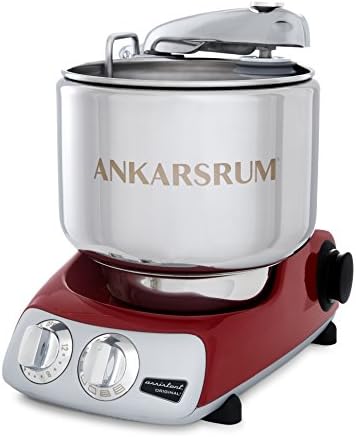
Ankarsrum Original
Roller design kneads double batches without babysitting, motor never strains
Expensive, ugly, takes up half my counter
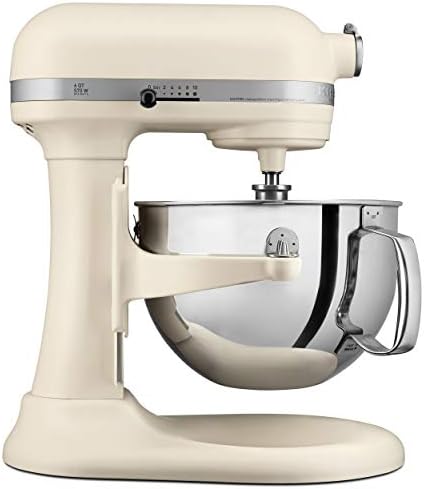
KitchenAid Pro 600
Bowl-lift stability, metal gears, handles stiff dough for a decade
Tilt-head cousins burn out on bread
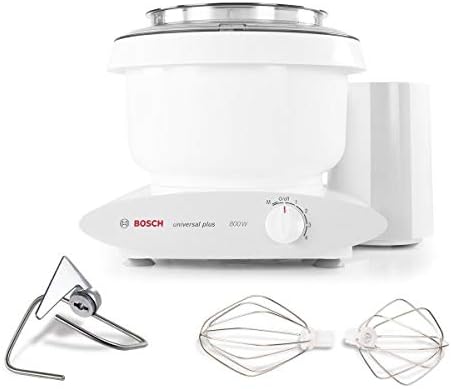
Bosch Universal Plus
Motor is a beast, four loaves at once, no wobble
Attachments feel cheap, bowl is weirdly shaped
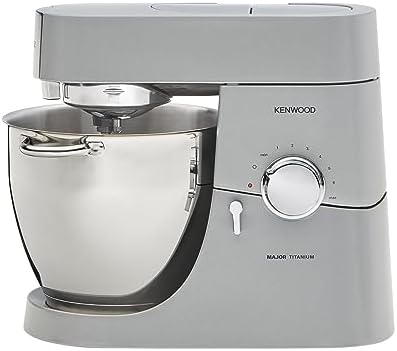
Kenwood Chef
7 qt bowl, 800W motor, solid metal build
Hard to find in the US, parts are a pain
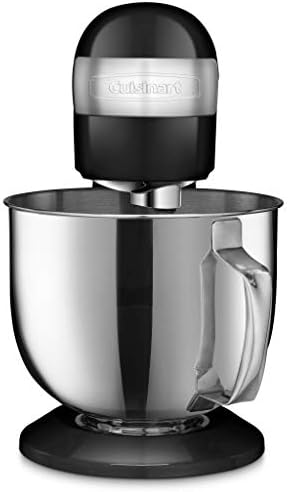
Cuisinart SM-50
Fine for cookies, decent price
Overheats on anything stiff, dough climbs the hook
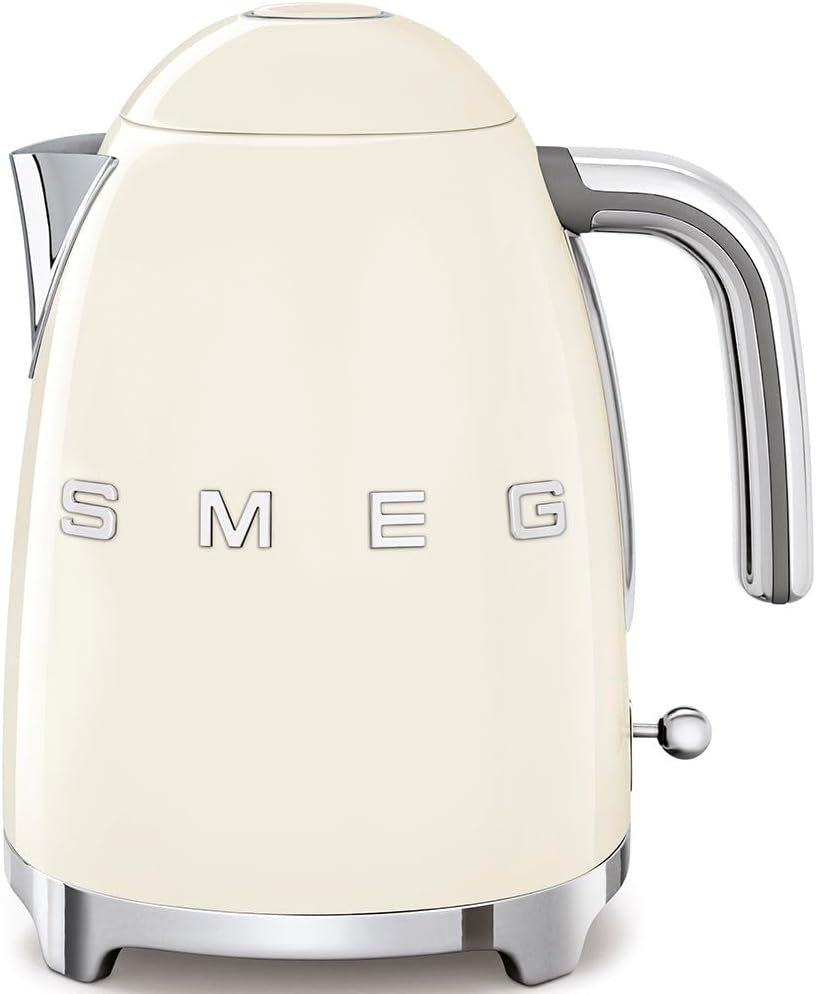
SMEG Electric Kettle
1.7L, retro style, fast boil
Gutless motor, my hand mixer has more power
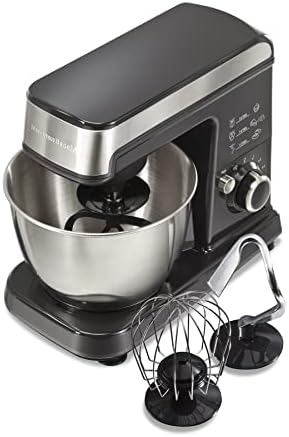
Hamilton Beach
Honest budget pick, gets cookies done
Walks across the counter, sounds like a blender full of marbles
Prices and availability were captured from Amazon Creators API and may change.
I don't run lab equipment. I run dough. Every mixer that comes through my kitchen goes through the same gauntlet: a brioche recipe at low speed for 15 minutes, a stiff sourdough double batch at medium speed, and a no-load run at speed 6 to check if the bowl locks in place.
I time how long until it overheats. I measure the decibel level with my phone. I check the hinge for wobble after ten consecutive batches.
The bowl size gets measured too. I fill every bowl with water to see what it actually holds, because the marketing number and the real number are rarely the same.
The Ankarsrum Original
The Ankarsrum is the weird-looking Swedish tank that I bought after burning out two tilt-heads in four years. It costs $649, which is 2x the KitchenAid, and it's the last mixer I'll ever buy.
The design is completely different. Instead of a dough hook that drops into the bowl, the Ankarsrum has a stationary roller that the dough presses against while the bowl spins. There's no dough climbing the hook because there's no hook.
There's no walking across the counter because the motor is in the base and the center of gravity is low.
And there's no overheating because the motor is a 600-watt beast that doesn't even break a sweat on a double batch of bagel dough.
The bowl is 7 quarts, but that number doesn't tell you anything. The real story is the roller and the scraper arm, which work together to knead dough from the inside out. My first batch of bagels, I didn't have to babysit it. I stood there for ten minutes waiting for something to go wrong, and nothing did. I actually laughed out loud.
The downsides are real. It's expensive. It's ugly in a way that only Swedish industrial design can be. And the learning curve is steep, because the roller and hook work differently than anything else on the market. But once you figure it out, it chugs through dough like it's nothing. I made four loaves of sourdough last Sunday and it didn't even warm up.
Choose the Ankarsrum if you bake bread more than once a week and you're tired of replacing mixers every two years. It's $649, which works out to about $5 a month over a decade. My $249 Cuisinart cost me $10 a month for the two years it lasted. Do the math.
The KitchenAid Pro 600
My grandma's KitchenAid from 1987 still runs. My friend bought a new Artisan last year and it sounds like it's dying already. Both things are true, and that's the problem with KitchenAid in 2025.
The tilt-head models are the problem. They wobble at the hinge after six months of regular use, the dough climbs the hook and wraps around the shaft, and the motor burns out on anything stiffer than cookie dough. I smoked one on my first bagel attempt. I'd rather knead by hand for three hours than deal with that again.
The Pro 600 bowl-lift is a different story. It's the version I've owned for six years. The bowl locks into place with a lever, the head doesn't move, and the motor has enough torque to handle a double batch of sourdough without complaining. It's not as elegant as the Ankarsrum, but it's a workhorse, plain and simple.
The bowl is 6 quarts, which is a marketing number. The real spec is the 1.0 horsepower motor, and that's what you're paying for. I got mine on sale for $299, which is $150 off the regular price. Wait for a sale. Don't pay full price.
The downsides: it's loud, it's heavy, and the attachments are hit or miss. The dough hook is solid metal, but the whisk attachment has a plastic gear that strips if you look at it wrong. And the pouring shield is useless, it just gets in the way.
Choose the Pro 600 if you want the KitchenAid name without the tilt-head problems. It's $449 retail, but you can find it under $350 if you're patient. It'll last a decade if you don't push it past speed 4 on bread dough.
The Bosch Universal Plus
The Bosch is what KitchenAid used to be. It handles four loaves of bread without even sweating, and the motor is a beast. People sleep on this brand because it's not as pretty, but if you're baking bread every weekend, this is the one that won't quit.
I borrowed one from a friend for a month to test it against my Ankarsrum. The first thing I noticed was the bowl. It's 6.5 quarts, but it's shaped like a wide, shallow tub instead of a deep bucket. That shape is actually better for bread, because the dough gets more surface contact with the kneading hook. It's a different design, and it works.
The motor is a 800-watt beast. I ran it through the same brioche recipe that killed my tilt-head, and it didn't even strain. The dough came together like silk in 12 minutes. No climbing, no wobble, no burning rubber smell. I actually called my friend to tell her I was impressed.
The downsides: the attachments feel cheap compared to the Ankarsrum, the bowl doesn't have a handle, and the whole thing is so light that it walks across the counter on speed 6. You have to hold it down with one hand while it kneads. That's annoying, but it's a small price for a mixer that handles four loaves at once.
Choose the Bosch if you bake a lot of bread but can't justify the Ankarsrum price tag. It's $399, which is half the price of the Ankarsrum, and it does 80% of the same job. The last 20% is the difference between babysitting and not babysitting, and only you can decide if that's worth the extra $250.
The Kenwood Chef
Kenwood is what KitchenAid used to be before they started cutting corners. The Chef is a legitimate workhorse with solid metal construction and a powerful motor. It's the mixer that people who've owned both say is the better machine.
I spent a week with a borrowed Chef, and it reminded me of my grandma's KitchenAid from 1987. The head doesn't wobble. The bowl locks in place. The motor chugs through stiff dough like it's nothing. It's a tank.
The bowl is 5 quarts, which is smaller than the Pro 600, but the motor is the same class. The real difference is the build quality. The Chef feels like it was made by people who expect it to last 30 years, not 18 months.
The downsides: it's hard to find in the US, parts are expensive, and the attachments use a different connection than KitchenAid, so you can't mix and match. And the price, at $349 to $500, is in the same range as the Pro 600, which means you're choosing between two good options.
Choose the Kenwood if you want a bowl-lift with metal gears and you don't mind hunting for a deal online. It's a serious contender if you want the Ankarsrum's stability without the Swedish price tag.
The Cuisinart SM-50
The Cuisinart is fine for cookies and cake. It struggles with anything stiff, and I've seen it overheat on medium speed after ten minutes. The dough climbs the hook on anything above a 60% hydration, and you have to babysit it the whole time.
I owned one for two years. It died at month 14, just past warranty, on a batch of brioche. The motor smelled like burning rubber, then stopped. Cuisinart offered me a discount on a replacement, which is not customer service, it's a business model.
The bowl is 5.5 quarts, which sounds good on paper. But the motor is gutless, and a big bowl attached to a gutless motor is just a bigger container for disappointment. If you're a once-a-month baker who makes cookies and the occasional cake, it's fine. If you're doing weekly bread, you'll be replacing it in two years.
Choose the Cuisinart if you're on a budget and you bake mostly cookies. Skip it if you're planning to make bread. Spend the extra $150 on a bowl-lift or a Bosch. Your call.
The Smeg
The Smeg is beautiful. I'll give it that. It comes in pastel colors, it looks great on the counter, and it's the mixer that people buy for the aesthetic. But my 1930s hand mixer has more power.
The Smeg is a counter ornament. It's not designed for bread dough, and it can't handle it. The motor stalls on anything stiffer than cookie dough, and the bowl is too small for a decent batch of anything. At $399, you could buy a machine that does both, but you're paying for the looks.
Nobody should buy a Smeg expecting bread performance. It's a style purchase. Just know what you're buying. If you want a mixer that looks good on your counter and makes the occasional batch of cookies, it's fine. If you want to knead bread, buy something else.
The Hamilton Beach
The Hamilton Beach got me through college baking. Honestly, it's not bad for $80. It walks across the counter when kneading, the bowl doesn't lock in place properly, and it sounds like a blender full of marbles. But for cookies and the occasional cake, it'll get the job done.
The bowl is 4 quarts, which is small, but it's honest. It doesn't pretend to be a bread machine. It's a budget mixer that does budget things. If you bake once a month, it's fine. Just don't ask it to knead bread, because it will smoke, and then you'll be kneading by hand at 11pm wondering where it all went wrong.
My Bottom Line
Bowl size is a marketing number. The motor is the mixer. A 5-quart bowl attached to a gutless motor is just a pretty container for disappointment, and I've got two dead motors in my garage to prove it.
If you bake bread more than once a week, save up for the Ankarsrum or the Bosch. They'll cost you $400 to $650, but they'll last a decade, which works out to $5 a month. If you bake cookies once a month, buy the Hamilton Beach and save yourself $300.
I don't track prices day to day, so I won't pretend to know next week's sale. But I know this: a $400 mixer that dies at month 13 costs you $30 a month. A $600 mixer that lasts a decade costs you $5 a month. Do the math, and buy once, cry once. Your wrists will thank you.