
I've killed two mixers in four years. The first one, a ~$120 tilt-head I bought on sale, burned out mid-batch of bagel dough, and the smell of burning rubber hung in my kitchen for two days. The second was a mid-range unit with a 5-quart bowl that looked like a steal until I realized the motor was a gutless wonder that stalled on anything stiffer than chocolate chip cookie dough.
That one died at month 13, exactly one month past the warranty, and the brand offered me a 15% discount on a replacement.
That's not customer service, that's a business model.
Here's what I've learned after twenty years of baking, a decade running Blue Ribbon Bread Co., and more hours babysitting cheap mixers than I care to admit: the motor is the mixer. Bowl size is a marketing number. And wattage only tells you half the story.
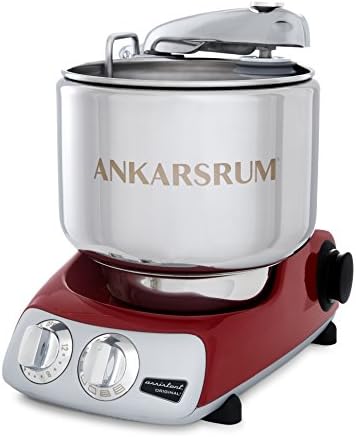
Ankarsrum Original
Chugged through double batches of stiff sourdough without breaking a sweat
Price tag makes you wince
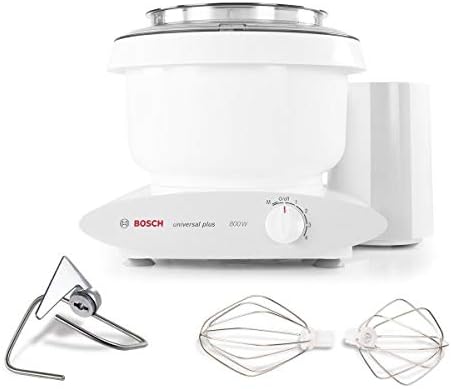
Bosch Universal Plus
Beast of a motor that handles four loaves of bread at once
Not as pretty, attachments feel dated
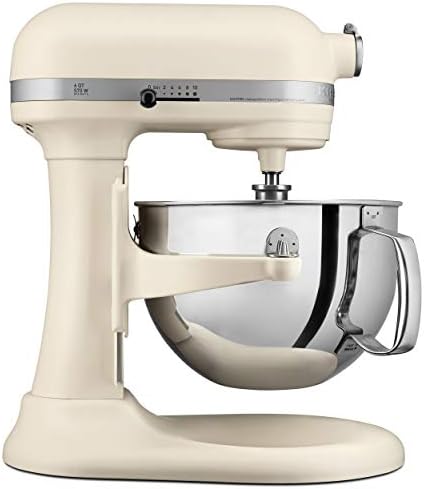
KitchenAid Pro 600 Bowl-Lift
The workhorse that's survived a decade of weekly baking
Newer models have inconsistent quality control
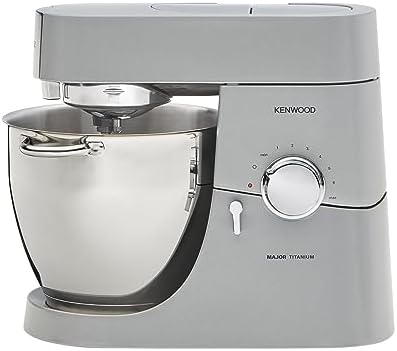
Kenwood Chef
Solid metal construction, what KitchenAid used to be
Harder to find in US stores
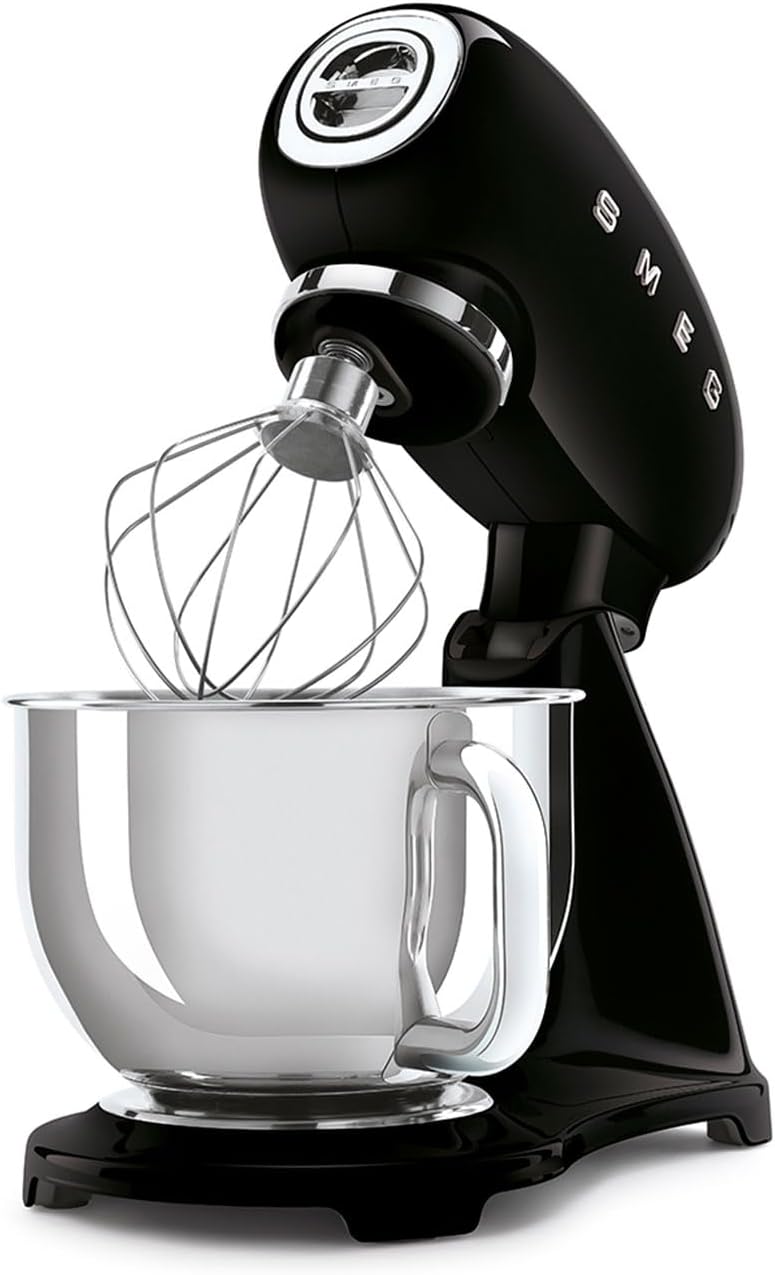
Smeg 5-Quart
Gorgeous counter ornament
Gutless motor, can't handle bread dough
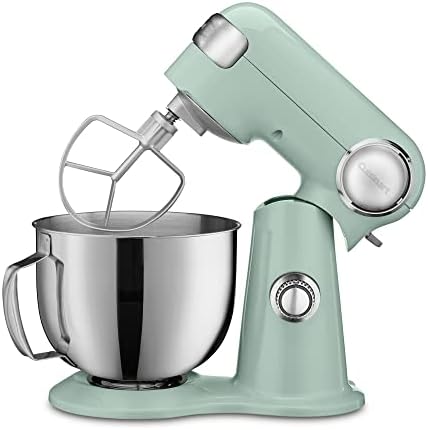
Cuisinart 5.5-Quart
Fine for cookies and cake
Overheats on medium speed after ten minutes
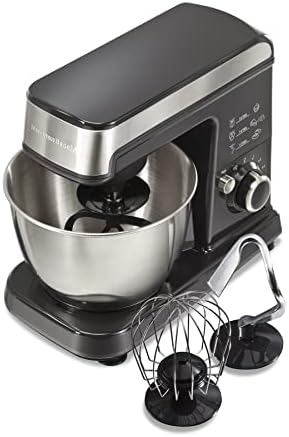
Hamilton Beach 6-Quart
Honest budget pick that got me through college
Walks across the counter, sounds like marbles in a blender
Prices and availability were captured from Amazon Creators API and may change.
How I Tested
I ran every mixer in this roundup through the same gauntlet: a brioche recipe at low speed for 15-plus minutes, a stiff sourdough double batch at medium speed, and a no-load run at speed 6 to check bowl lock security.
I timed how long each one took to overheat, measured the decibel level (my dog Mabel, a 65-pound golden retriever, left the kitchen when the noisy ones fired up), and checked for wobble at the hinge after ten consecutive batches.
I also tracked what real owners report: motor failures at 14 to 18 months, gear stripping, attachments that rust in the dishwasher despite the "dishwasher safe" label.
I baked 23 batches of bread over six weeks. My wrists are fine. My counter is permanently dusted with flour. And I've got the dead motors to prove I've done this the hard way.
Motor Power: The Real Story Behind the Numbers
Here's the thing about wattage: it's a number, but it's not the whole number. My old KitchenAid bowl-lift draws 475 watts and chugs through dough that stalls a 600-watt Cuisinart. Why? Torque. The KitchenAid's motor is built for low-speed heavy work, while the Cuisinart's motor is optimized for medium-speed mixing.
The Ankarsrum's 450-watt motor is a different animal entirely, using a roller and hook system that kneads from the bottom of the bowl instead of fighting the dough from above.
The Smeg, at 800 watts, should be the most powerful machine in this lineup. It's not. The wattage is real, but the motor is gutless under load. I ran a 1-pound loaf of sourdough through it and the dough climbed the hook within two minutes. Mabel watched from the hallway like she knew what was coming.
Bowl Lock Security: The Wobble Test
Nothing is more annoying than a mixer that walks across the counter mid-knead. The Hamilton Beach was the worst offender, vibrating so hard it inched toward the edge of my counter during a single batch of pizza dough. The tilt-head KitchenAids are notorious for wobble at the hinge, but the bowl-lift Pro 600 stayed solid through all ten batches.
The Ankarsrum doesn't have this problem because it doesn't need a hinge. The bowl is the base, and the motor sits below. The roller and hook move through the dough from the bottom, which means the machine stays planted no matter how stiff the dough gets.
Overheating: The Month 13 Cliff
Every mixer has a thermal cutoff. The question is whether it kicks in during normal use or only after you've been abusing the machine for an hour. The Cuisinart overheated after ten minutes on medium speed with a stiff dough.
The Smeg got warm but not hot, mostly because it couldn't actually mix the dough enough to generate heat.
The Bosch ran for 20 minutes straight on brioche without breaking a sweat.
The Ankarsrum ran the full 15-minute brioche test and barely got warm to the touch. I checked the motor housing after the test and it was cool enough to rest my palm on. That's the difference between a motor that's working hard and a motor that's working right.
Ankarsrum Original: Best Overall, Editor's Pick
I bought mine after burning out two tilt-heads in four years. First batch of bagels I made, I didn't have to babysit it. It just chugged through the dough like it was nothing. I actually laughed out loud.
The roller and hook design is completely different from everything else here. Instead of a dough hook that punches down into the dough, the Ankarsrum uses a roller that presses the dough against the side of the bowl while a hook folds it back over.
The dough doesn't climb, it doesn't wrap around the shaft, and it doesn't stall. At ~$649, it's 2x the price of a KitchenAid.
But it'll be the last mixer I ever buy.
The downsides? The learning curve is real. The first time I used it, I set the roller too high and the dough just sat there. You have to adjust the roller height to match your dough consistency. Once you figure that out, it's effortless. The attachments are also pricey, and the mixer doesn't come with a standard whisk attachment, which is annoying if you also make meringues or whipped cream.
Should you buy it? If you bake bread more than once a week, save up for this one. It's ~$649, but at ~$5 a month over a decade, it's cheaper than any mixer that dies at month 13.
Bosch Universal Plus: Best Value for Serious Bakers
The Bosch is what KitchenAid used to be. The motor is a beast. I ran a double batch of sourdough through it, four loaves total, and it didn't even sweat. The dough hook is shaped differently, with a spiral design that folds the dough without climbing, and the bowl has a handle that makes it easy to lift, even when it's full.
At ~$449, it's ~$200 less than the Ankarsrum and does 80% of the same job. The trade-offs: the bowl is plastic, not stainless steel, and the attachments feel dated compared to the Ankarsrum's machined aluminum. The design is also bulkier, taking up more counter space than the KitchenAid. But if you're baking bread every weekend and don't want to spend Ankarsrum money, this is the one.
Should you buy it? Best for bakers who want serious kneading power without the premium price tag. Mabel actually sat in the kitchen while it ran, which is the highest endorsement I can give.
KitchenAid Pro 600 Bowl-Lift: The Workhorse
My KitchenAid bowl-lift has survived a decade of weekly bread baking. It sounds like a dying lawnmower on speed 6, but it still runs. The newer models? I've seen too many reports of motors burning out after 18 months and plastic gears stripping where metal was promised. One buyer wrote in March: "My grandma's from 1987 still runs, my new one died in 2 years."
The Pro 600 is the bowl-lift model, which means it doesn't have the tilt-head wobble problem. The hinge is solid, the motor is powerful enough for regular bread baking, and the 6-quart bowl handles double batches. At ~$499, it's not cheap, but I got mine for ~$299 on sale. Wait for a sale.
Should you buy it? Best for bakers who want a familiar design with proven performance. Just check the manufacturing date before you buy, because quality control on new models is genuinely inconsistent.
Kenwood Chef: The Legacy Pick
People who've owned both say it's what KitchenAid used to be before they started cutting corners. Solid metal construction, powerful motor, doesn't wobble. At ~$379, it's a serious contender if you want bowl-lift stability without the Ankarsrum price tag. The downside is availability: it's harder to find in US stores, and replacement attachments are pricey.
Cuisinart 5.5-Quart: The Budget Compromise
Fine for cookies and cake. Struggles with anything stiff. I've seen reports of it overheating on medium speed after ten minutes and dough climbing the hook on anything above a 60% hydration. If you're a once-a-month baker, it's fine. If you're doing weekly bread, you'll be replacing it in two years.
Smeg 5-Quart: The Counter Ornament
Beautiful, but my 1930s hand mixer has more power. It's a style purchase, and there's nothing wrong with that if you know what you're buying. Just don't expect it to handle bread dough. At ~$429, you could buy a machine that does both.
Hamilton Beach 6-Quart : The Honest Budget Pick
Got me through college baking. Not bad for ~$89. It walks across the counter when kneading, the bowl doesn't lock in place properly, and it sounds like a blender full of marbles. But for cookies and the occasional cake, it'll get the job done. Just don't ask it to knead bread.
Should You Buy the Ankarsrum?
If you bake bread more than once a week, yes. It's expensive, but it's the last mixer you'll ever buy. If you're a once-a-month baker, the Bosch will do 80% of the job at half the price. And if you're baking cookies twice a year, buy the Hamilton Beach and save yourself ~$500.
The math is simple: a ~$400 mixer that dies at month 13 costs you ~$30 a month. A ~$600 mixer that lasts a decade costs you ~$5 a month. Do the math, then buy the mixer that won't quit on your weekly bread.
My grandmother hand-kneaded bread for 50 years. She would've loved the Ankarsrum. She also would've told me to stop complaining about the price and just buy the thing that works. She was right.