
I kneaded bread by hand for years, until my wrists gave out and told me to stop. Twenty years of baking, a decade of it running my own shop, and the lesson that stuck is simple: the motor is the mixer. Bowl size is marketing. Wattage is a hint. Torque is the truth, and torque is the number nobody prints on the box. So when I compare machines for the best stand mixer for bread, I start with the same question every time. Show me how it handles a two-pound loaf, and tell me what the motor smells like after ten minutes of stiff dough.
This comparison covers four things you can actually buy right now, and they are not all mixers. One is a bowl. That is not a mistake, and it is not filler. If you already own a bowl-lift KitchenAid, the bowl is often the cheapest upgrade that changes what you can bake, and it belongs in the same conversation as the machines.
The short answer: if bread is the job, the Garvee 6.7L is the pick in this group, because it pairs the highest stated wattage here with the largest bowl, and those two numbers are what decide whether a mixer kneads or stalls. If you want a known name and a machine that covers cakes as well as loaves, the Cuisinart SM-50GR is the safer buy. The Artisan Mini is a lovely machine for small batches, and it is not a bread mixer.
Here is the group at a glance, then the reasoning behind each row.
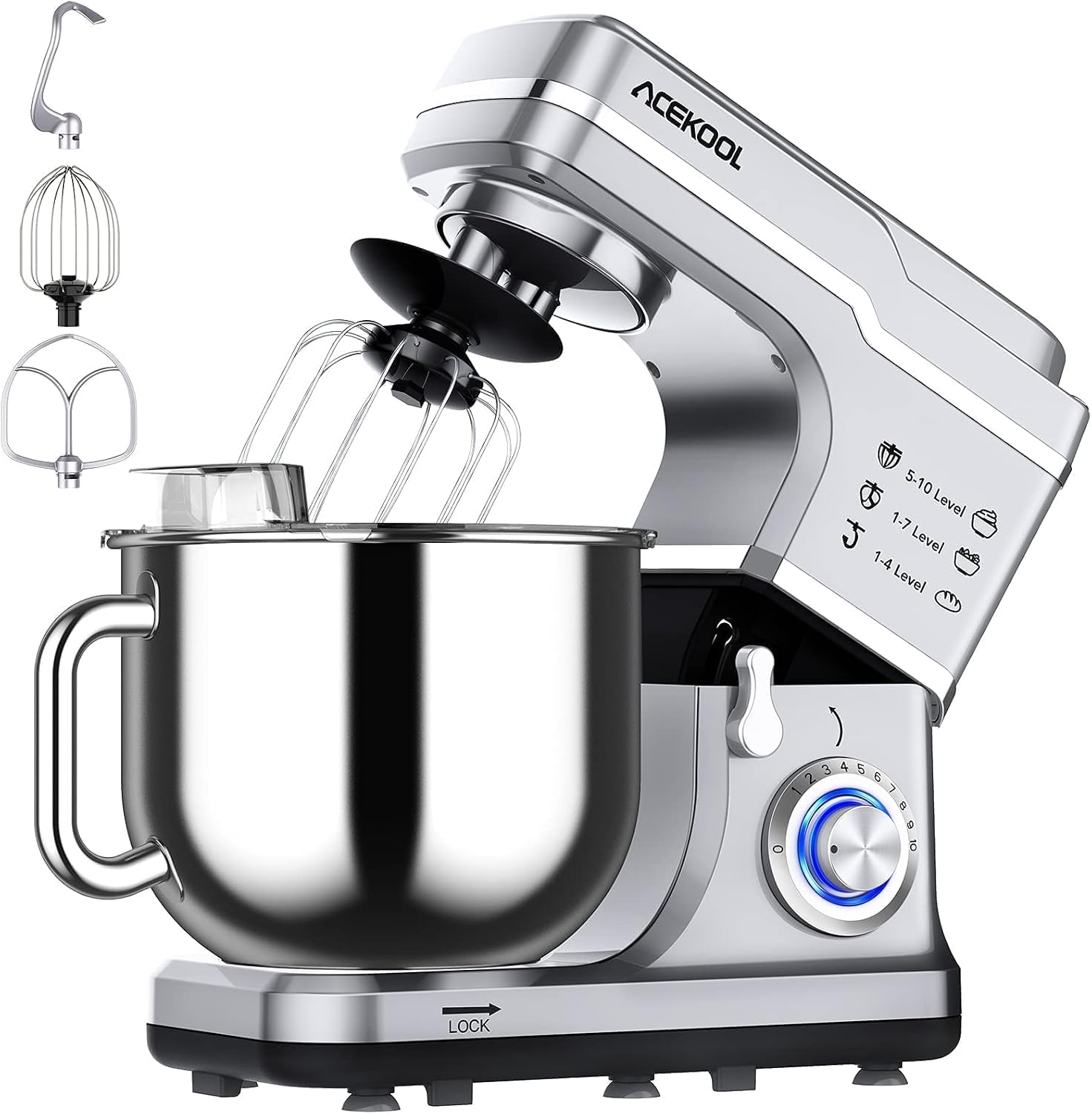
Garvee 6.7L Stand Mixer, 660W Electric Kitchen Mixer, 10 Speeds, Silver
Highest stated wattage in this group at 660 watts, biggest bowl at 6.7 liters, ten speeds
No attachment ecosystem behind it, and a bowl this size wants a double batch, not one loaf
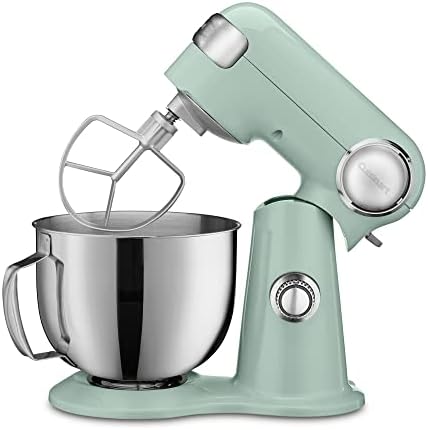
Cuisinart SM-50GR Precision Master 5.5-Quart 12-Speed Stand Mixer with Mixing Bowl, Chef's Whisk, Flat Mixing Paddle, Dough Hook, and Splash Guard with Pour Spout, Dove Gray
Established name, 5.5-quart bowl, 12 speeds, and it ships with whisk, paddle, dough hook, and splash guard
No wattage stated, so there is no number to judge it by for stiff dough, and 5.5 quarts is tight for double batches
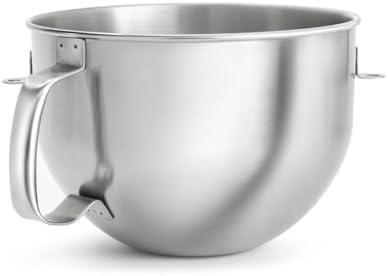
KitchenAid 6-Quart Polished Stainless Steel Bowl w/Handle, Fits Select Bowl-Lift Stand Mixers
Adds real capacity to a compatible bowl-lift mixer, and the handle is the most underrated feature on any bowl
It is not a mixer, it does nothing on its own, and it fits select bowl-lift models only
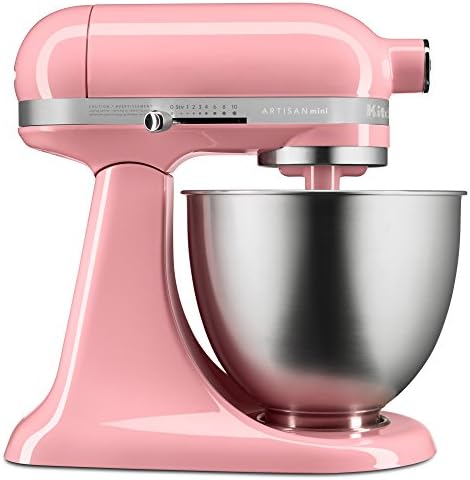
KitchenAid KSM3311XAQ Artisan Mini Series Tilt-Head Stand Mixer, 3.5 quart, Aqua Sky Blue
Genuine KitchenAid build, small footprint, and it takes the full attachment ecosystem
A 3.5-quart tilt head with a small motor is a cake and frosting machine, not a bread machine
Prices and availability were captured from Amazon Creators API and may change.
What actually matters when you bake bread
Every mixer in this group will whip cream. That tells you almost nothing. Whipping is a light, fast job that any motor with a spinning shaft can fake for three minutes.
Bread is the opposite. A stiff dough is a heavy, resistant mass, and the motor has to keep turning the hook through it without bogging down. When a mixer is not up to that, you get one of three outcomes. It stalls. It walks across the counter. Or it keeps going and the motor starts to smell hot, which is the smell of a machine drawing more current than it was built to handle.
The spec that predicts this is not bowl size. A big bowl on a weak motor is just a bigger place for dough to sit while the hook gives up. The number that matters most is the one that appears in the product name if it appears at all: wattage. Higher wattage does not guarantee good torque, but low wattage nearly guarantees you will not be kneading bread for long. My own rule, after burning through a cheap machine I bought specifically to see whether it was worth hating: under 500 watts is a whipping machine, not a kneading machine. It was worth hating.
That is why the Garvee is interesting here and why the Mini is not, and we will get to both.
The budget power play: Garvee 6.7L
The Garvee 6.7L Stand Mixer states 660 watts and ten speeds, with a 6.7 liter bowl, which is roughly 7 quarts in the units most American mixers use. Those are the numbers that matter in this comparison. On paper, this is the strongest motor and the biggest bowl in the group, and it is aimed at exactly the buyer who wants to knead bread without paying KitchenAid money.
Ten speeds is more than you need, and that is fine. You will live between two settings for bread and one for creaming butter, and the rest are decoration. A speed dial with a lot of clicks is a selling point, not a kneading feature.
The honest trade-offs are the ones that never show up in a spec line. This is not a brand with a fifty-year attachment ecosystem behind it, so if you were planning to add a pasta roller or a meat grinder later, this is not the machine to build that plan around. A 6.7 liter bowl also means a large footprint on the counter, and a big bowl with a small batch means the hook has less dough to work against. You do not want to make one loaf in a bowl this size. You want to make three.
If you are a bread-first baker on a budget, this is the row I would circle. Visit on Amazon
The known quantity: Cuisinart SM-50GR Precision Master
The Cuisinart SM-50GR Precision Master is a 5.5-quart, 12-speed stand mixer that arrives with the full starter kit: mixing bowl, chef's whisk, flat mixing paddle, dough hook, and a splash guard with a pour spout. That bundle matters more than it sounds. A mixer that ships with a dough hook and a splash guard is a mixer that expects you to actually cook, not just decorate.
What the name does not tell me is wattage, and that is the one number I want before I call any mixer a bread machine. Without it, I cannot tell you how this handles a stiff two-pound loaf. What I can tell you is the shape of the deal. Cuisinart is an established name, the bowl size is the sweet spot for a household that bakes a single loaf or a single batch of cookies at a time, and the accessory list means you are not buying a hook separately on day one.
The trade-off is ceiling. A 5.5-quart bowl is comfortable for most home baking and tight for double batches. Twelve speeds is generous. And if you already know you want a pasta roller, a grinder, and a slicer someday, the KitchenAid ecosystem is the one with the deepest bench, and this is not that.
For a baker who makes one loaf a week and a birthday cake twice a year, this is the least risky purchase in the group. Visit on Amazon
The bowl upgrade: KitchenAid 6-Quart Polished Stainless Steel Bowl with Handle
This one is not a mixer. Say that out loud before you add it to a cart. The KitchenAid 6-Quart Polished Stainless Steel Bowl with Handle is a bowl, and it fits select bowl-lift stand mixers only.
It earns a place in this comparison because bowl capacity is the thing people most often get wrong about mixers, and because the handle is the single most underrated feature on any mixing bowl. If you have ever tried to lift a full, heavy bowl of stiff dough off a stand mixer with two bare hands and no handle, you know the feeling. That is a wrist injury waiting for a bad day.
So here is how to think about it. If you own a compatible bowl-lift KitchenAid and your current bowl is 5 quarts, moving to 6 quarts is the difference between a double batch that fits and a double batch that climbs the hook and makes a mess. That is a real upgrade for bread people. If you do not own a bowl-lift KitchenAid, this product does nothing for you, and it is the wrong place to spend money.
The trade-off is obvious and worth stating anyway. A bowl is not a motor. If your mixer stalls on bread dough, a bigger bowl does not fix that. It gives you more room for the dough your motor already struggles with. Visit on Amazon
The small-batch pick: KitchenAid Artisan Mini
The KitchenAid KSM3311XAQ Artisan Mini Series is a 3.5-quart tilt-head mixer, and the name tells you both the appeal and the limit. It is small, it is a genuine KitchenAid, and it takes the same attachment ecosystem as its bigger siblings, so the pasta roller and the grinder you buy for it will still work if you upgrade later. That is a real advantage, and it is why the Mini keeps showing up in kitchens that do not have room for a full-size machine.
It is also a 3.5-quart tilt head. Three and a half quarts is a small bowl. For cookies, frosting, whipped cream, a single cake, and small batches of enriched dough, it is plenty and it is pleasant. For a two-pound sourdough loaf, you are asking a small tilt-head machine to do a job that a bowl-lift machine with a bigger motor was designed for. A tilt head also wobbles under load in a way a bowl-lift design does not, and that wobble is a design fact, not a brand problem.
Buy it if you bake small and you want the KitchenAid name and ecosystem without the counter footprint. Do not buy it as your bread machine. Visit on Amazon
Tilt head versus bowl lift, in plain terms
A tilt-head mixer has a head that tips back on a hinge so you can get the bowl in and out. A bowl-lift mixer has a bowl that rises on arms into a fixed head.
For bread, the bowl lift is the sturdier design. The bowl sits locked in a cradle, the head never moves, and the whole thing feels like a fortress under a stiff dough. A tilt head is more convenient for adding ingredients and scraping down, and it is a wobbler under a heavy load. That is the trade: convenience against stability.
This matters for the two mixers here. The Artisan Mini is a tilt head, which is another reason it is a small-batch machine. The Cuisinart is a tilt head as well, which is not a disqualifier at 5.5 quarts, but it is a factor if you plan to push it hard with bread. The bowl with the handle in this comparison is built for bowl-lift machines, which tells you what KitchenAid thinks a big batch of dough needs.
Attachments: the long-term relationship
I own three attachments I never use, and I make fun of attachment bundles constantly. I am also the first person to tell you that the ecosystem is the reason to pick a brand.
A stand mixer is a motor and a mounting point. The motor decides whether it can knead. The mounting point decides what it can become. KitchenAid has the deepest bench of attachments by a wide margin, which is why the Mini is worth considering despite its small bowl, and why the bowl in this comparison exists for one family of machines and nothing else.
The Garvee and the Cuisinart are mixers, not systems. They will mix, knead, and whip what they ship with. That is enough for most people, most of the time. Just be honest with yourself about whether you are that person before you buy.
Bowl capacity is marketing, dough weight is reality
Here is the thing I wish every listing said out loud. A mixer's quoted bowl capacity is the volume of the bowl, not the amount of bread dough it can knead. Those two numbers are not close.
Stiff dough is dense. A bowl that holds 6.7 liters of air holds far less than 6.7 liters of flour and water before the dough climbs the hook and starts trying to escape over the rim. So when you read a capacity number, translate it in your head. A 3.5-quart mixer is a small-batch machine. A 5.5-quart mixer is a one-or-two-loaf machine. A 6.7 liter mixer is a machine that wants a double batch, and it is not happy making a single loaf.
That translation is the whole reason the Garvee's bowl size and the KitchenAid bowl upgrade belong in the same article as the two complete mixers. Capacity is the number people shop by, and it is the number that lies most often.
What I would skip
Anything under 500 watts, if bread is the plan. I bought a cheap mixer once to see whether it was worth hating, and it was. It whipped cream beautifully and stalled the moment the dough got stiff. That is not a mixer problem you can work around. It is the machine telling you what it was built for.
I would also skip buying a second bowl before you know your mixer's real limit, and skip buying a mini mixer as your only machine if sourdough is the goal. Both are good products aimed at a different baker than the one who reads bread articles.
The bottom line
Match the machine to the dough, not to the counter.
If bread is the priority and the budget is real, the Garvee 6.7L is the row with the numbers that matter: the highest stated wattage here and the biggest bowl. Go in knowing you are buying power from a brand without an attachment ecosystem.
If you want one machine that handles cakes, cookies, and a weekly loaf without drama, the Cuisinart SM-50GR is the lowest-risk pick, and it arrives with everything you need to start.
If you already own a compatible bowl-lift KitchenAid, the 6-quart bowl with the handle is the cheapest meaningful upgrade in this group, and the handle alone is worth it.
And if your baking is small, occasional, and mostly sweet, the Artisan Mini is a delightful little machine that will make you happy right up until you ask it to knead a two-pound loaf. Then it will tell you the truth.