Most people buy a stand mixer for one reason: they are tired of kneading by hand. Then the box arrives, the dough goes in, and the machine that whipped cream without complaint starts to labor somewhere around the third minute of a stiff sourdough. That gap between what a mixer promises on the box and what it does under a two-pound loaf is the whole story of shopping for stand mixers for bread dough. This guide looks at six machines, what each one brings to a bread baker's kitchen, and which one fits which kind of baking.
Related: How to Knead Bread Dough Without Wrecking Your Wrists
Quick answer
The ZACME 7 Quart Stand Mixer is the strongest fit for bread bakers working with stiff dough because it pairs a 650W motor and 12 speeds with the largest stainless steel bowl in this roundup, a die-cast aluminum body, and a full set of dough hook, wire whisk, and flat beater. Choose the Hauswirt Stand Mixer 6QT XL instead when you want an 11-speed full metal machine with a touch screen control panel and a slightly smaller bowl.
Stand mixers worth comparing
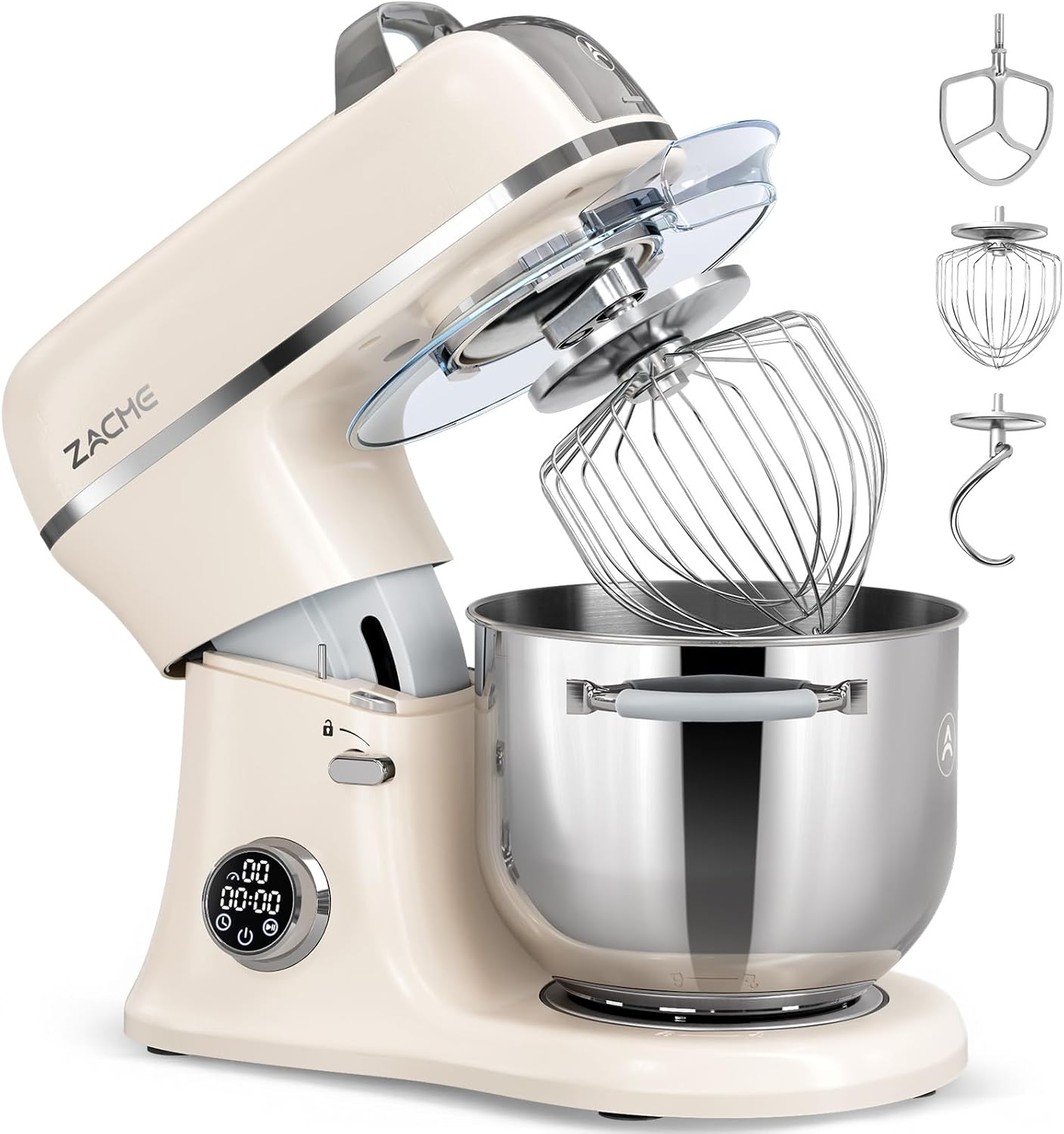
ZACME 7 Quart Stand Mixer Aluminum Die Casting, 650W 12 Speed Tilt-Head Kitchen Electric Stand Mixer, Household Food Mixer with Stainless Steel Bowl, Dough Hook, Whisk and Beater-Cream
A 7-quart tilt-head mixer with a 650W motor, 12 speeds, and a die-cast aluminum body. It ships with a stainless steel bowl, a dough hook, a wire whisk, and a beater for creaming butter and sugar.
Visit on Amazon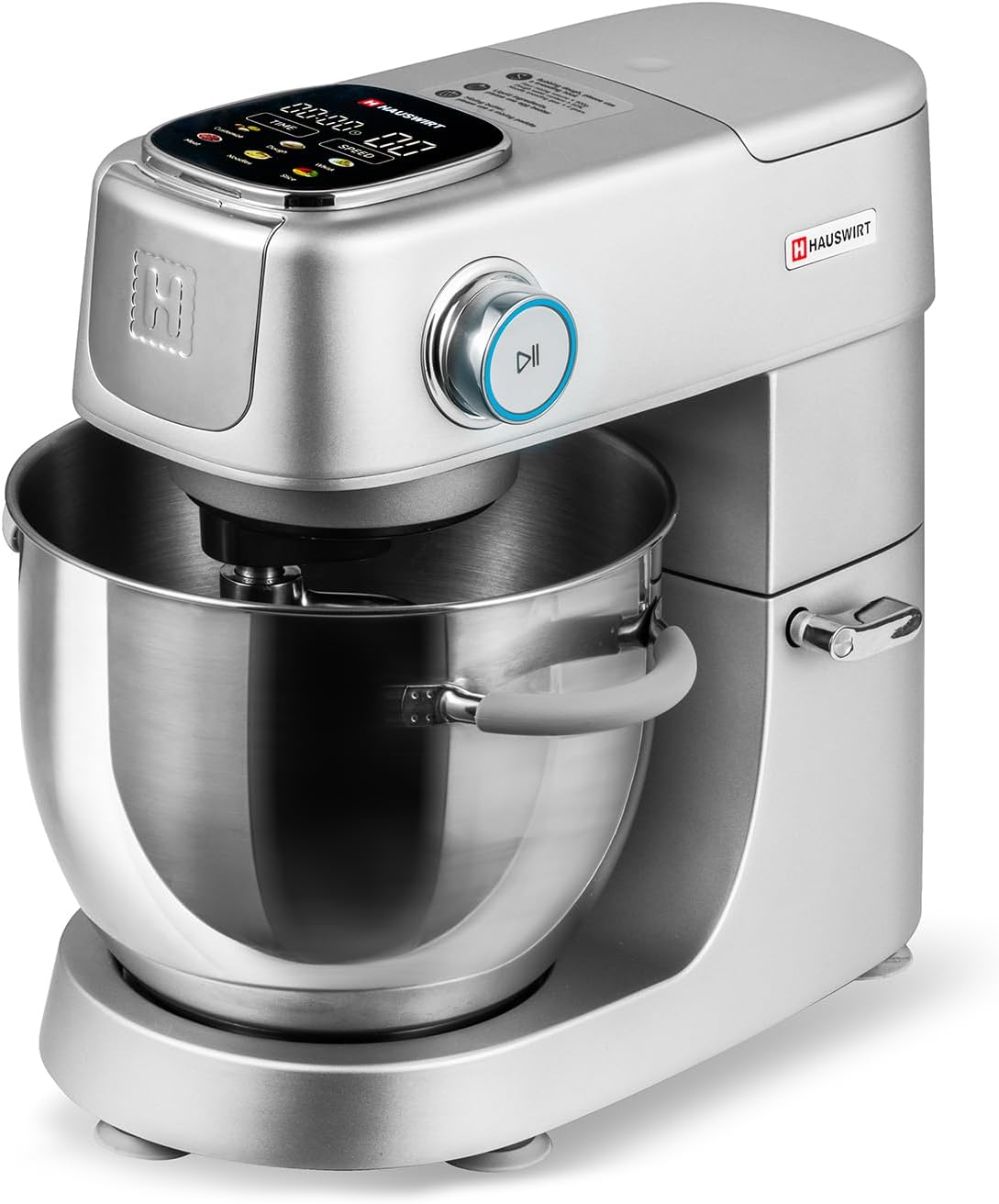
Hauswirt Stand Mixer 6QT XL Large, 4.5" LED Touch Screen Electric Household Stand Up Mixer, Full Metal Structure Standing Mixer 11-Speed, Dough Cake Bread Mixer, Silver
A 6-quart XL machine built on a full metal structure with 11 speeds and a 4.5 inch LED touch screen. Designed for dough, cake, and bread mixing in a silver finish.
Visit on Amazon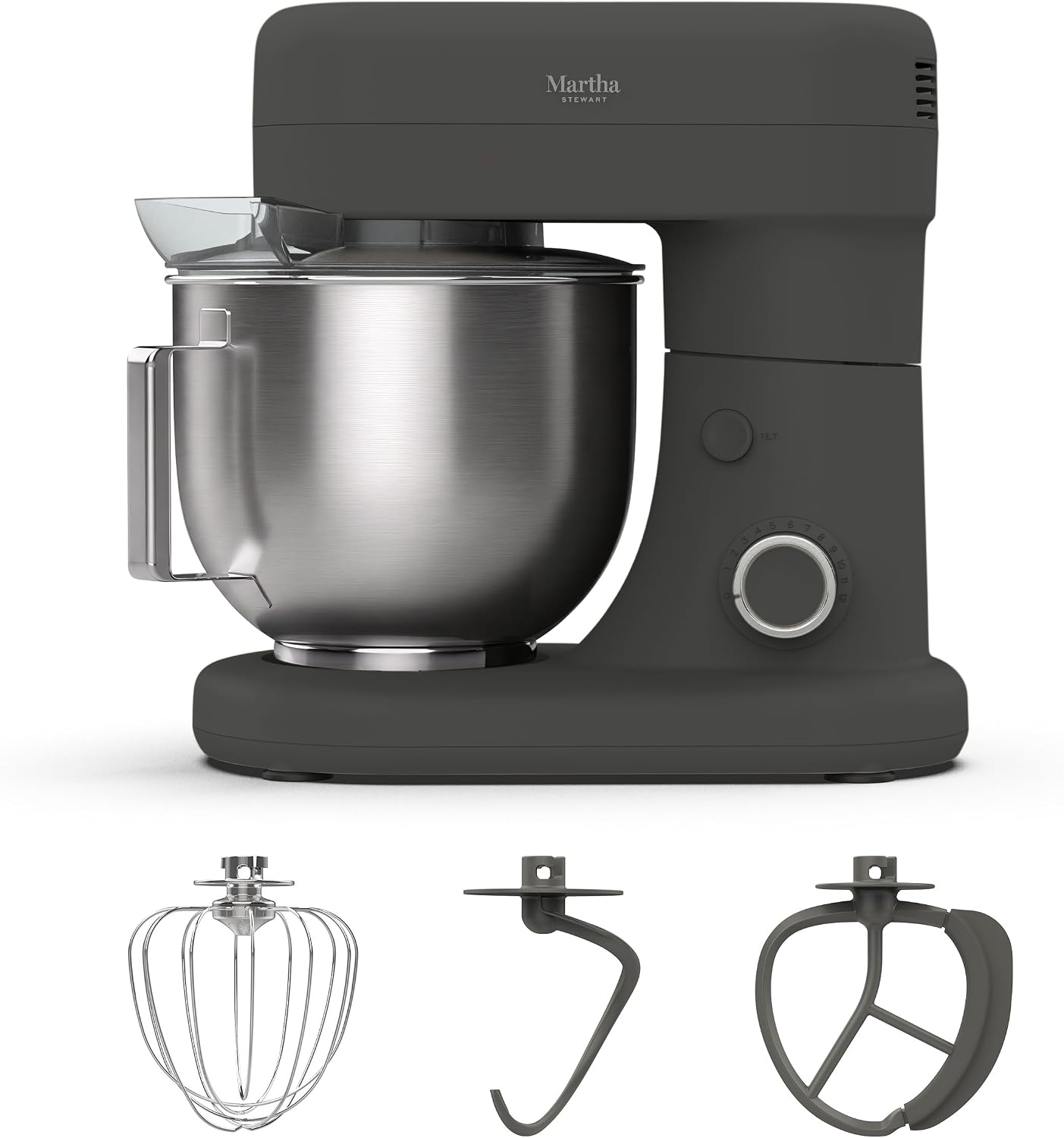
Martha Stewart 5.3QT Tilt Head Stand Mixer, 12 Speeds, Stainless Steel Bowl
A 5.3-quart tilt-head mixer with 12 speeds and a stainless steel bowl. A mid-size option for cookies, cakes, frostings, and moderate batches of dough.
Visit on Amazon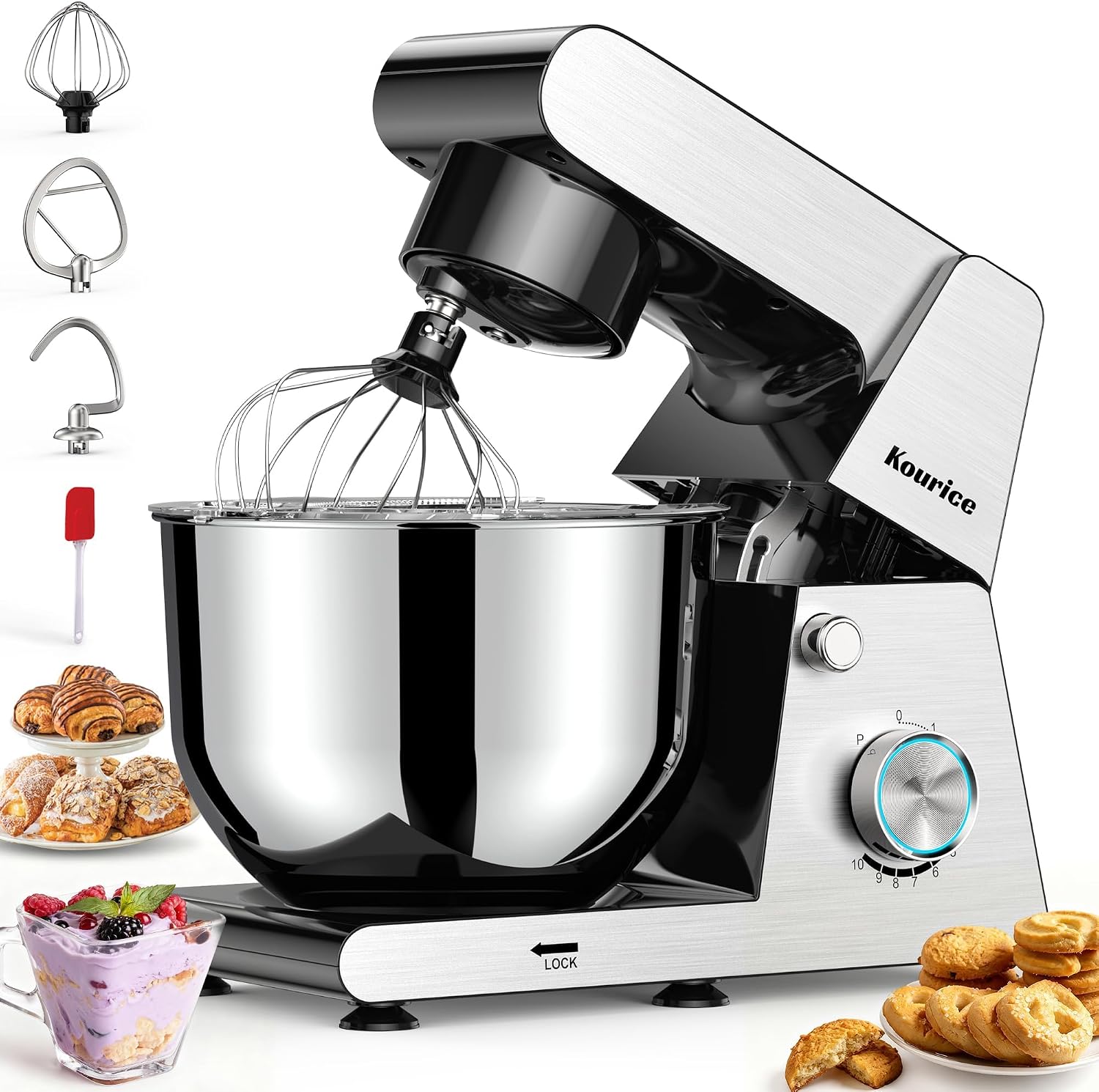
6.5QT Tilt-Head Stand Mixer, Heavy Duty Pro 10-Speed Electric Mixer, Stainless Steel Cladding & Bowl with Dough Hook, Wire Whisk and Flat Beater for Home Baking, Bread, Cake, Pizza Dough
A 6.5-quart tilt-head mixer with 10 speeds, stainless steel cladding, and a stainless steel bowl. Includes a dough hook, a wire whisk, and a flat beater for bread, cake, and pizza dough.
Visit on Amazon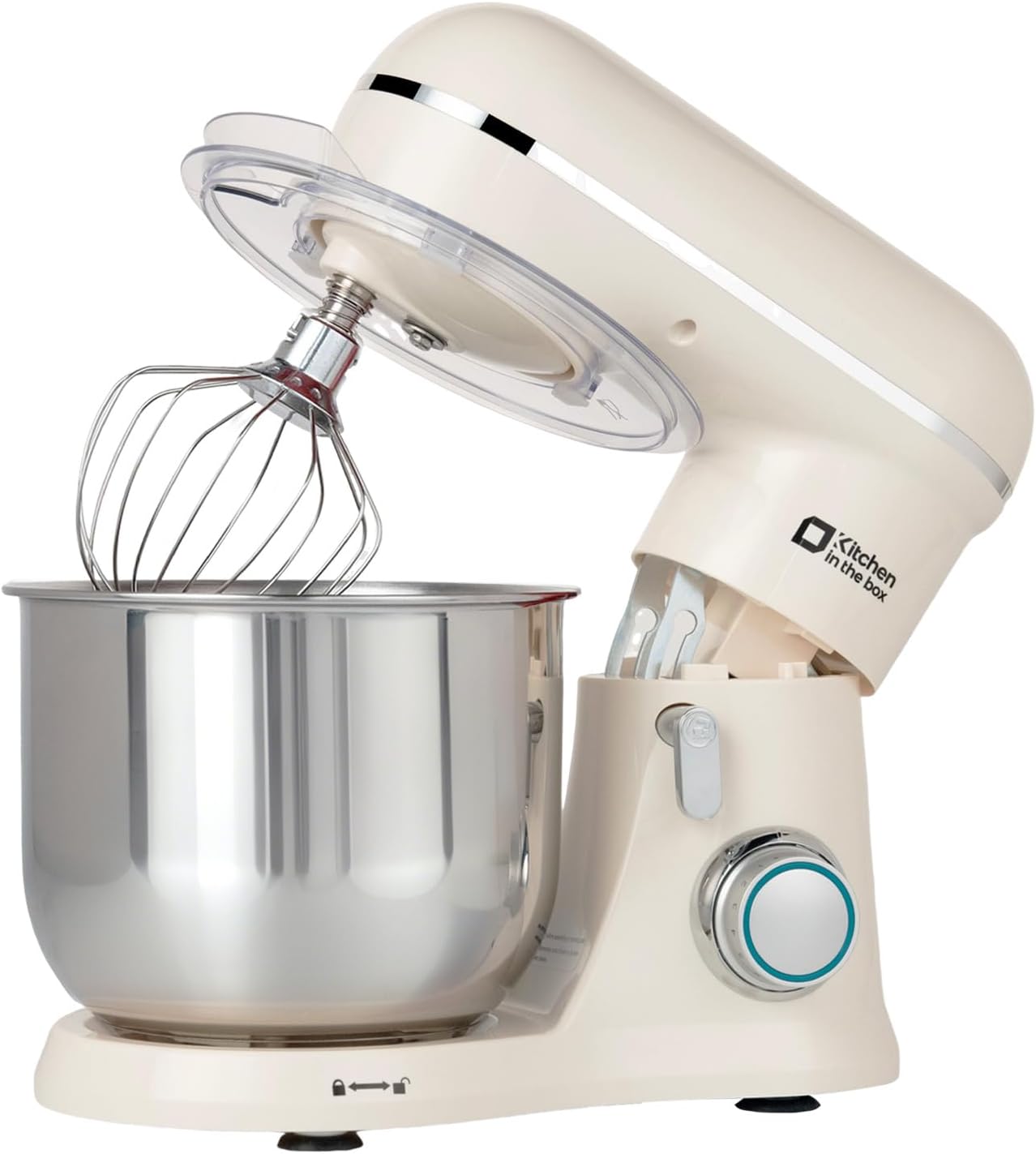
Kitchen in the Box Stand Mixer, 3.5 QT Kitchen Electric Mixer for Baking
A 3.5-quart electric mixer aimed at baking in smaller kitchens. The compact bowl suits single cakes, frostings, and small dough batches rather than large bread days.
Visit on Amazon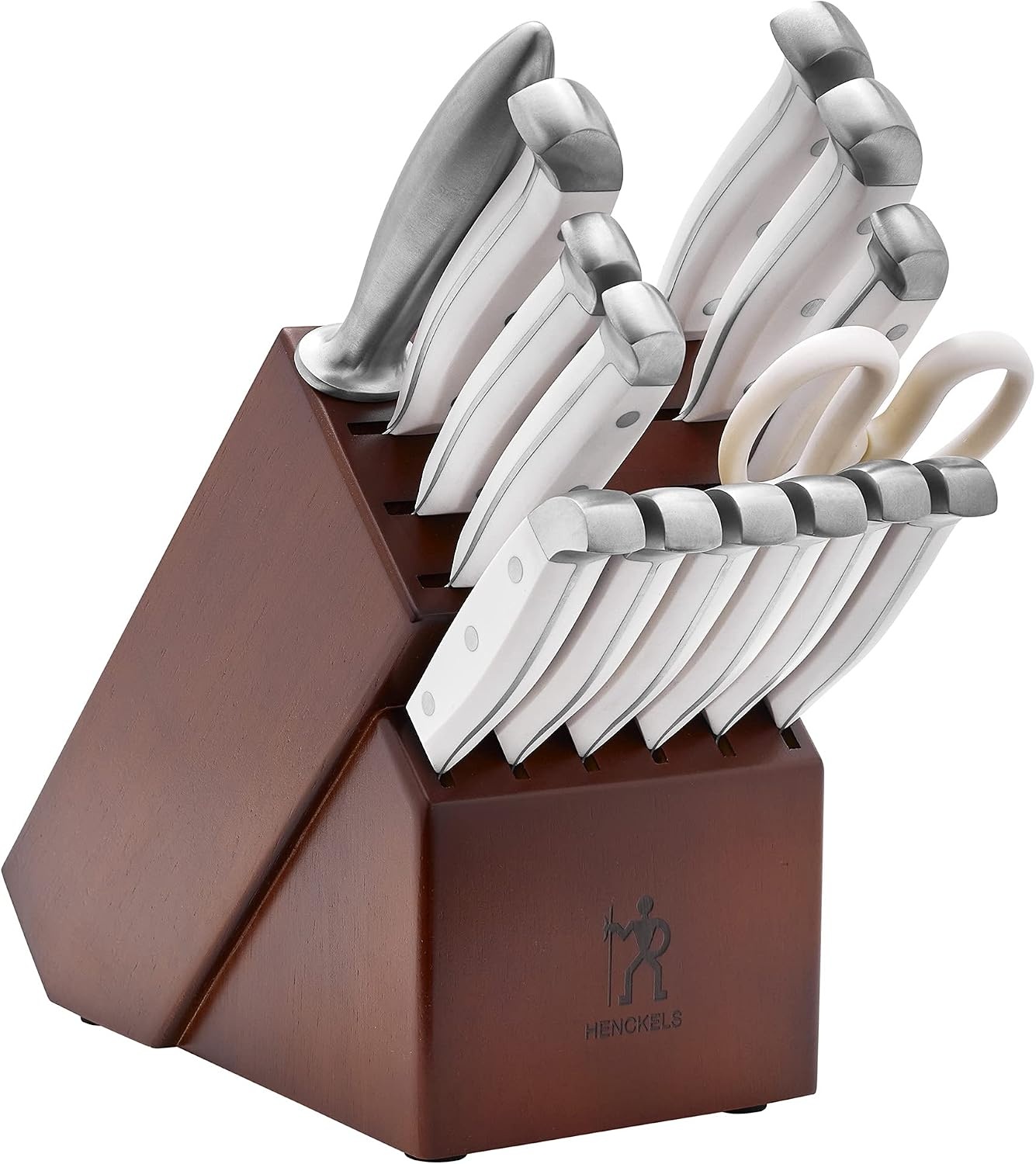
Henckels Statement 15-Pc Knife Set, Razor-Sharp, German Engineered, White
A 15-piece German engineered knife set with white handles. The prep companion in this roundup: it handles scoring loaves, trimming dough, and everyday cutting rather than mixing.
Visit on AmazonPrices and availability may change. Check the retailer for current details.
How these products were compared
This guide compares stated motor wattage, bowl capacity, body construction and materials, speed range and controls, and the attachments included in the box. Product names, images, and retailer links are matched to the same listing so that every card points to the product shown.
The comparison rests on published product specifications and on the design differences that matter for bread, cakes, and cookies. It is not a set of hands-on measurements, and nothing here should be read as a lab result. Prices move constantly, so this article does not print them; use the link on each card to confirm current price and availability.
How to choose the right stand mixer
Start with the bowl, because capacity decides everything else. A 7-quart bowl and a 3.5-quart bowl are different tools, not two sizes of the same tool. Match the bowl to the batch you actually make most weeks, not the largest batch you might make once a year. A big bowl with a small batch leaves the beater and the dough hook riding above the flour at the bottom, so nothing gets mixed. A small bowl with a big batch pushes dough up the sides and over the rim, and the motor spends the whole knead fighting a load it was never sized for. If your weekly bread is one loaf, a 5 to 6.5 quart bowl is plenty. If you bake two loaves at a time or feed a household that goes through sandwich bread fast, the larger end of this list earns its counter space.
Then think about the motor, which is the part you cannot see and the part that decides whether the mixer survives a decade. Wattage is a rough signal of power draw, not a promise about torque, and torque is what actually turns a stiff dough. Bread is the hardest thing a home mixer does. Cream and cake batter are easy work by comparison. When a listing publishes a wattage figure, that is a sign the maker expects the machine to be judged on power. When a mixer's motor rating is not published at all, treat that as a signal it was designed for batters and frostings rather than a double batch of bagels. This is the same logic behind the rule many bakers follow: below roughly 500 watts, you are buying a whipping machine with a dough hook in the box.
Design and attachments round out the decision. A tilt head lifts the top of the machine back so you can reach the bowl, which is convenient in a low cabinet but means the head has to swing through open air. A lift-bowl design raises the bowl on arms instead, which is the sturdier arrangement for heavy dough and the one bread bakers tend to prefer. On the attachment side, every mixer here includes a dough hook, a whisk, and a beater or equivalent, and that basic set covers bread, whipped cream, and cookies. What separates them is the ecosystem beyond that set. If you plan to add a pasta roller or a grinder later, check whether the brand sells one before you buy. If you never will, do not pay for compatibility you will not use. For a closer look at how bowl height and head design change the feel of a machine, see our notes on tilt-head and lift-bowl mixer designs.
ZACME 7 Quart Stand Mixer
The ZACME 7 Quart Stand Mixer is the top pick here because it leads the group on the two numbers that matter most for bread. It is the largest bowl in the roundup at 7 quarts, and it publishes a 650W motor, the highest figure on this list. The body is die-cast aluminum rather than plastic, which is the construction you want under a machine that will be pushed through stiff dough. Twelve speeds give you fine control between a slow fold and a fast whip, and the box includes a stainless steel bowl, a dough hook, a wire whisk, and a beater for creaming butter and sugar. That is a complete bread and cake setup in one purchase.
The trade-offs are real and worth naming. A 7-quart bowl is more volume than a single cake recipe or a one-loaf batch needs, and on very small quantities the beater can struggle to reach the bottom of the bowl. The machine is also a tilt-head design, so it needs clearance above it to tilt back, and it will take up more counter depth than a compact mixer. If you bake one small batch a week, this is more machine than the job requires. If bread is the main event, the extra capacity is the point.
Alternatives to consider
The Hauswirt Stand Mixer 6QT XL is better suited to bakers who want modern controls and a full metal structure, with 11 speeds and a 4.5 inch LED touch screen replacing the usual dial. The Martha Stewart 5.3QT Tilt Head Stand Mixer is a stronger fit when you want a mid-size 12-speed machine with a stainless steel bowl for cookies, cakes, and moderate dough batches without a large footprint.
The 6.5QT Heavy Duty Pro Tilt-Head Stand Mixer, the Kitchen in the Box 3.5 QT Stand Mixer, and the Henckels Statement 15-Pc Knife Set cover the rest of the range. The 6.5-quart heavy duty model sits between the top pick and the mid-size option, with 10 speeds, stainless steel cladding, and a dough hook, whisk, and flat beater. The 3.5-quart Kitchen in the Box mixer is the small-kitchen and starter choice, sized for single cakes and frostings. The Henckels set is not a mixer at all; it is the prep side of the same counter, a 15-piece German engineered knife set with white handles for scoring loaves, trimming dough, and everyday cutting.
Day-to-day use and maintenance
Use the right tool for the job and the mixer will last longer. The dough hook is for yeast doughs, the whisk is for cream and egg whites, and the flat beater is for batters, frostings, and cookie dough. Adding flour gradually rather than all at once keeps the motor from meeting a solid wall of dough in the first ten seconds, and scraping the bowl down partway through a mix gets you an even result without overworking the dough. Watch the fill line. A bowl rated at 7 quarts does not hold 7 quarts of bread dough, and every mixer has a practical dough limit well below its liquid capacity.
Care is mostly common sense. Wash the bowl and attachments according to the manufacturer's instructions, and hand wash anything with a finish you want to keep looking new. Keep the vents clear so the motor can breathe, give the machine a rest between long kneads, and unplug it before you fit or remove an attachment. Keep hands, spatulas, and towels out of the bowl while the motor is running, and never reach in to clear dough without switching the mixer off first.
Buying checklist
- Measure your counter depth and the clearance above the mixer, since a tilt-head needs room to swing back.
- Choose bowl capacity based on your normal batch size rather than an occasional large project.
- Confirm that the exact model includes a dough hook if bread is on your list.
- Read the cleaning and maintenance instructions before the first use.
- Verify the current retailer price, availability, and return terms.
Final recommendation
Choose the ZACME 7 Quart Stand Mixer when bread is the main job and you want the largest bowl and the highest published wattage in this group, along with a die-cast aluminum body and a full attachment set. Choose the Hauswirt Stand Mixer 6QT XL when you would rather have a full metal 11-speed machine with a touch screen and a bowl that is still generous but easier to store. If your baking runs to single cakes and frostings, the smaller Kitchen in the Box mixer is the more sensible spend, and if two machines look identical on paper, let the bowl size you will actually fill decide it.