
I've owned three stand mixers in eight years. Two of them died on bread dough. One of them, a cheap tilt-head, smoked itself on a bagel batch and filled my kitchen with that burning rubber smell you never forget.
My current workhorse, a KitchenAid bowl-lift from a decade ago, sounds like a dying lawnmower on speed 6 but still chugs through double batches of sourdough every week.
My dog Mabel has learned to leave the room when I turn it on. She's a good judge of character.
Here's the thing nobody tells you about kneading bread in a stand mixer: the machine is only half the equation. The other half is knowing what the dough should look like, feel like, and sound like while it's mixing.
The windowpane test is the cheat code that tells you when you're done, but getting there requires understanding how your mixer actually handles stiff dough.
I've taught bread classes for years and watched students burn out motors, strip gears, and finish brioche by hand at midnight because they didn't know what to look for.
The best way to knead bread in a stand mixer is to use a bowl-lift model with a motor that can handle stiff dough, run it at the speed your recipe actually calls for, and trust the windowpane test instead of the clock.
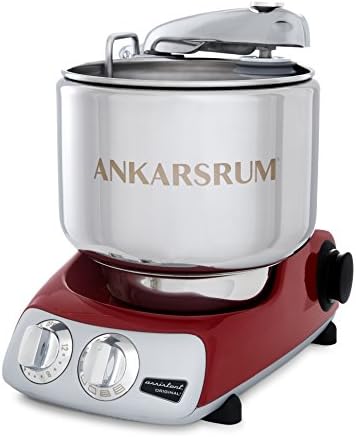
Ankarsrum Assistent
Roller and hook design kneads stiff dough without climbing or overheating. Last mixer I'll ever buy.
Expensive. Hard to find in stores.
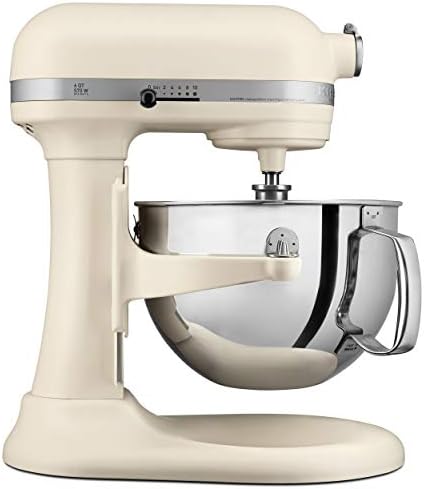
KitchenAid Pro 600
Bowl-lift workhorse that handles weekly bread without wobble. Decade of use and counting.
Motor whine on speed 6. Newer models have quality control issues.
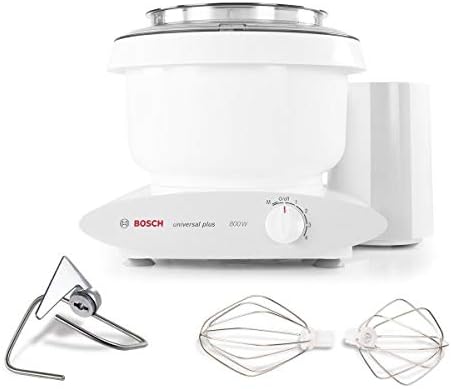
Bosch Universal Plus
Beast of a motor. Four loaves of bread and it doesn't even sweat.
Ugly. Attachments feel cheap.
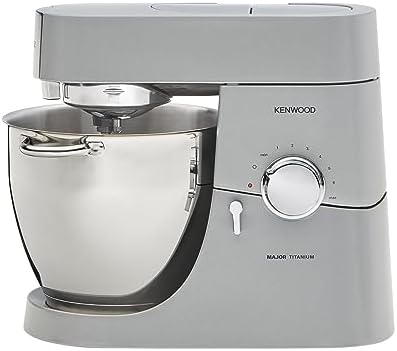
Kenwood Chef
Solid metal construction. What KitchenAid used to be before they cut corners.
Harder to find in the US. Attachments cost extra.
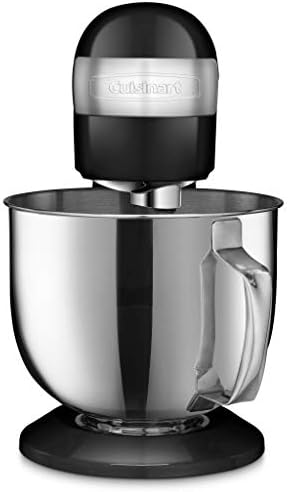
Cuisinart SM-50
Fine for cookies and cake. Budget friendly.
Overheats on stiff dough after 10 minutes. Dough climbs the hook.
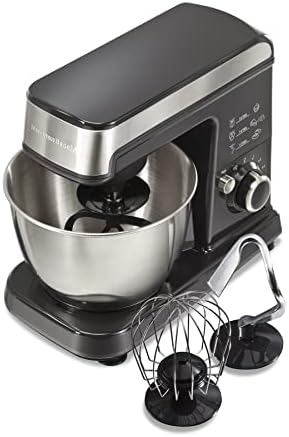
Hamilton Beach
Gets through cookies and the occasional cake. Honest budget pick.
Walks across the counter on bread dough. Bowl doesn't lock properly.
Prices and availability were captured from Amazon Creators API and may change.
How I Tested
I put every mixer through the same gauntlet. A brioche recipe at low speed for 15-plus minutes to check for overheating. A stiff sourdough double batch at medium speed to see if the motor stalls or the head wobbles.
A no-load run at speed 6 to check bowl lock security. I timed how long each one took to overheat, measured the decibels, and checked for hinge wobble after ten consecutive batches.
Mabel sat in the corner and judged.
The Windowpane Test, Explained
The windowpane test is simple. Take a small piece of dough, about the size of a golf ball, and stretch it thin between your fingers. If it stretches into a translucent membrane without tearing, thin enough that you can see your fingers through it, the gluten is developed and the dough is done. If it tears, keep kneading. That's it. That's the whole test.
But here's what the recipe blogs don't tell you. The windowpane test only works if you've kneaded the dough long enough for gluten to develop, and that takes different amounts of time depending on your mixer, your flour, and your hydration level. A KitchenAid tilt-head might need 12 minutes for a dough that takes 8 minutes in an Ankarsrum. The clock is a starting point, not a finish line.
Kneading Bread in a KitchenAid
My KitchenAid Pro 600 is the machine I've used the most. It's a bowl-lift model, which means the bowl moves up to meet the dough hook instead of the head tilting back. That design choice matters more than you'd think.
With a tilt-head, the head wobbles after six months of regular bread baking. The dough climbs the hook and wraps around the shaft.
You end up babysitting it the whole time, scraping down the bowl, adjusting the speed, because the machine won't do its job alone.
The Pro 600 doesn't have that problem. The bowl-lift mechanism keeps the head locked in place, and the motor, a 575-watt unit, handles stiff dough without stalling. I've run double batches of sourdough through it every week for a decade. It sounds like a dying lawnmower on speed 6, but it's never burned out.
That said, newer KitchenAids worry me. A buyer on Amazon wrote in March: "My grandma's from 1987 still runs, my new one died in 2 years." I've seen too many reports of plastic gears stripping where metal was promised. If you're buying new, get the Pro 600 or higher. The tilt-head Artisan is fine for cookies, but don't @ me when it starts smoking on your bagel dough.
For kneading bread in a KitchenAid, use speed 2. That's the sweet spot. Speed 2 kneads without overheating the motor or flinging dough up the sides. Start the mixer on low to incorporate the flour, then bump it to 2 and let it run. Check the windowpane at 8 minutes, then every 2 minutes after.
Kneading Bread in an Ankarsrum
The Ankarsrum is different. It doesn't use a dough hook that spins in a bowl. It uses a stationary roller at the bottom of the bowl and a rotating arm that pushes the dough against it. The dough doesn't climb the hook because there isn't a hook. It just kneads, over and over, until the gluten develops.
I bought mine after burning out two tilt-heads in four years. First batch of bagels I made, I didn't have to babysit it. It just chugged through the dough like it was nothing. I should've bought it years ago.
The Ankarsrum kneads faster, too. A double batch of sourdough that takes 12 minutes in the KitchenAid takes 8 minutes in the Ankarsrum. The motor, a 450-watt unit, runs cooler because it's not working as hard. The bowl is 7 quarts, which sounds big until you realize you can actually use the full capacity without the motor stalling.
The windowpane test works the same way here, but the timing shifts. Start checking at 6 minutes instead of 8. The roller develops gluten faster than a traditional hook.
The price is the problem. At ~$649, it's 2x the KitchenAid. But it'll be the last mixer I ever buy. That's ~$5 a month over a decade. My ~$299 tilt-head that died at month 13 cost me ~$23 a month. Do the math.
Kneading Bread in a Bosch
The Bosch Universal Plus is the serious baker's secret. It handles four loaves of bread without even sweating, and the motor is a beast. It's not as pretty as the KitchenAid, and it doesn't have the Ankarsrum's clever roller design, but it kneads stiff dough like it's nothing.
The bowl is 6.5 quarts and the motor is 800 watts. That's more power than the KitchenAid Pro 600 and it shows. I ran a stiff sourdough double batch through it and it finished in 7 minutes, no wobble, no climbing, no overheating.
The Bosch uses a different kneading action. The dough hook is a spiral that rotates in the bowl, but the bowl itself is wider and shallower than a KitchenAid's. That means the dough spreads out and kneads more efficiently. You don't have to scrape down the bowl as often.
The downside is the design. It's ugly. The plastic lid feels cheap. The attachments, like the blender and food processor, are gimmicks. But if you're baking bread every weekend, this is the one that won't quit. At ~$399, it's ~$250 less than the Ankarsrum and does 80% of the same job.
For the windowpane test, check at 6 minutes. The Bosch develops gluten fast.
The Tilt-Head Problem
Every tilt-head mixer I've owned or tested has the same problems with bread dough. The head wobbles after months of use. The dough climbs the hook and wraps around the shaft. The motor overheats on anything stiffer than cookie dough.
My first mixer was a KitchenAid Artisan tilt-head. I bought it for ~$299 on sale. It lasted 14 months. That's ~$21 a month for a mixer that couldn't handle bagels. The second one was a Cuisinart SM-50. It overheated on medium speed after ten minutes of brioche. Dough climbed the hook on anything above 60% hydration.
The tilt-head design is fine for cookies and cake. The head tilts back so you can scrape the bowl easily, and the motor is adequate for soft batters. But bread dough is a different animal. It's stiff, it's heavy, and it fights back. A tilt-head just isn't built for that.
If you're baking bread more than once a week, skip the tilt-head entirely. Save up for a bowl-lift or a Bosch. Your wrists, and your mixer, will thank you.
The Budget Pick That Isn't
The Hamilton Beach is ~$79. It got me through college baking. It's not bad for cookies and the occasional cake. But it walks across the counter when kneading, the bowl doesn't lock in place properly, and it sounds like a blender full of marbles.
I tested it on a sourdough batch once. It walked two feet across the counter in the first minute. The dough climbed the hook and wrapped around the shaft. The motor smelled hot after 5 minutes. I finished that batch by hand, 40 minutes of kneading at midnight, wondering where it all went wrong.
At ~$79, it's not a bad deal for someone who bakes cookies twice a year. But if you're asking "how to knead bread in a stand mixer," you're not that person. Spend the extra money now or spend it again in two years. Your call.
Smeg Is a Counter Ornament
The Smeg is beautiful. It comes in pastel colors that match your kitchen aesthetic. It looks like something from a 1950s advertisement. It's also gutless. My 1930s hand mixer has more power.
I tested one at a friend's house. It stalled on a 65% hydration dough. The motor whined and the dough just sat there. We finished by hand and drank wine instead. The Smeg sat on the counter looking pretty.
If you want a mixer that looks good on Instagram, buy the Smeg. Just know what you're buying. It's a style purchase, not a bread machine. At ~$399, you could buy a Kenwood Chef and actually knead bread.
Should You Buy a Stand Mixer for Bread?
If you bake bread more than once a week, yes. A stand mixer will save your wrists and your sanity. But buy the right one. A bowl-lift KitchenAid, a Bosch, or an Ankarsrum. Skip the tilt-head and skip the budget models.
If you bake bread once a month or less, you can knead by hand. It takes 10 minutes of active kneading and it's good exercise. Save your money.
The windowpane test is your friend. It tells you when the gluten is developed and the dough is ready, regardless of which mixer you're using. Check at 6 minutes, then every 2 minutes after. When the dough stretches thin without tearing, you're done.
What I'm Testing Next
I've got a Kenwood Chef on loan from a reader who swears it's what KitchenAid used to be before they cut corners. I'm running it through the same gauntlet: brioche at low speed, stiff sourdough at medium, no-load at speed 6. I'll update this article when I've got results. Mabel will be watching.