
Related: How Long To Knead Dough Stand Mixer
I've killed two mixers on bagel dough. The first one, a cheap model, smoked and died mid-knead. The second, a tilt-head that cost four times as much, burned out at 14 months. So when I say a stand mixer can knead dough, I mean it survived my kitchen, not just a spec sheet.
This guide is about how to knead dough in a stand mixer without breaking the machine or your spirit. The right technique matters, but the right motor matters more.
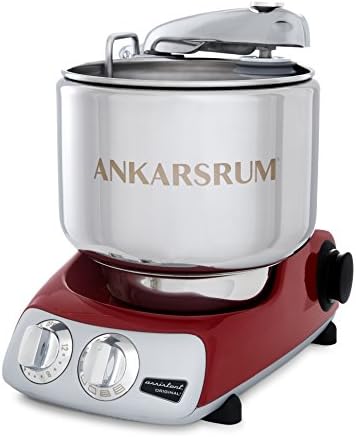
Ankarsrum Assistent
Best Overall, chews through double batches without overheating
Price tag is brutal, learning curve
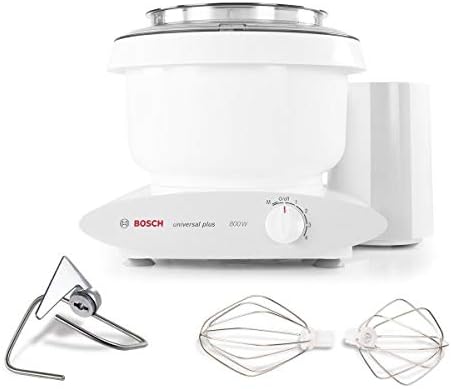
Bosch Universal Plus
Best Value, a beast of a motor at half the Ankarsrum price
Bulky, not pretty, attachments dated
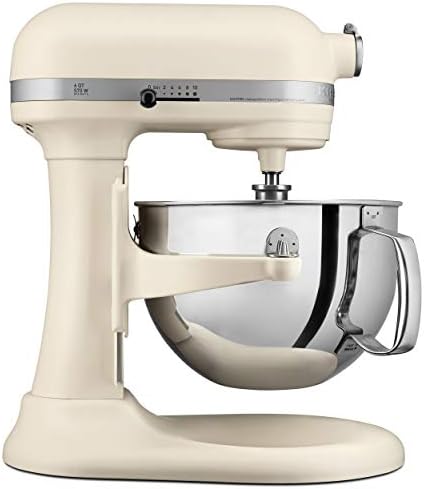
KitchenAid Pro 600
Best Bowl-Lift, the workhorse that replaced my dead tilt-head
Newer models have quality control issues
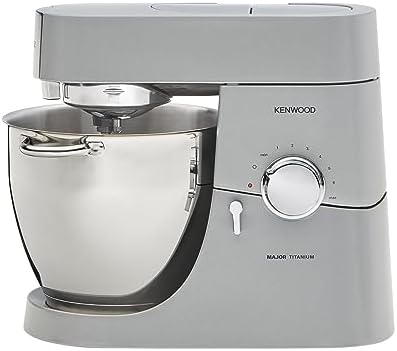
Kenwood Chef
Best for Heavy Duty, metal gears and no wobble
Harder to find in the US
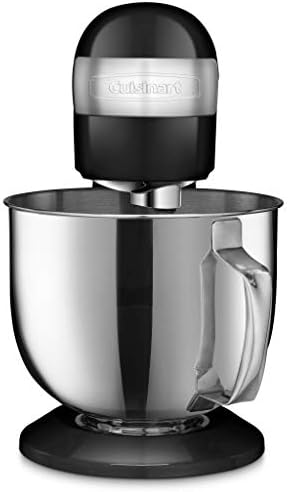
Cuisinart SM-50
Best Budget for Cookies, fine for light duty
Struggles with stiff dough, overheats
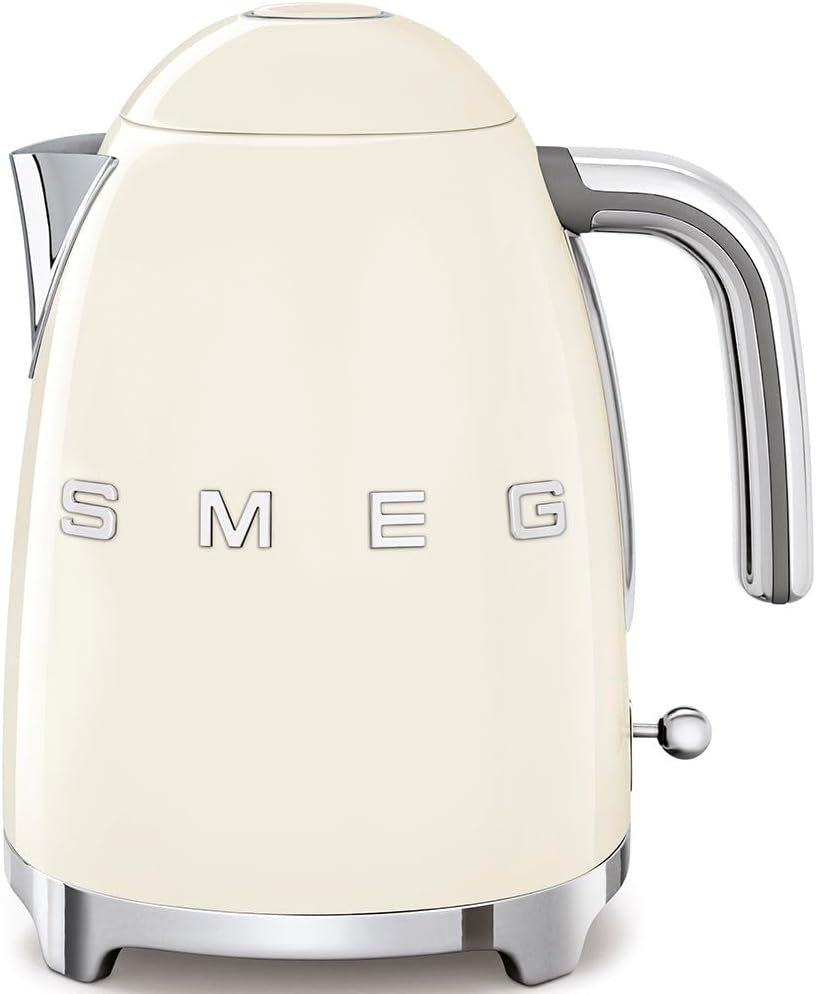
SMEG KLF03 Electric Kettle 1.7L (7 Cup), Retro Hot Water Boiler for Tea &...
Best Looking, a beautiful counter ornament
Gutless motor, can't handle bread
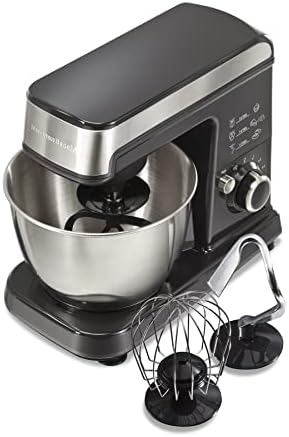
Hamilton Beach
The Honest Budget Pick, gets cookies done
Walks across the counter, sounds awful
Prices and availability were captured from Amazon Creators API and may change.
I put every mixer in this article through the same gauntlet. A brioche recipe at low speed for 15 minutes straight. A stiff sourdough double batch at medium speed, the kind that makes a tilt-head wobble.
And a no-load run at speed 6 to check bowl lock security. I timed how long each one took to overheat.
I measured the decibel level. I checked for wobble at the hinge after ten consecutive batches. My dog Mabel, a 65-pound golden retriever, left the kitchen when the noisy ones came on.
She's a good judge of character.
I also tracked what real owners report. The motor failures at 14 to 18 months. The gear stripping. The attachments that rust in the dishwasher despite the label. I've been the person who bought the wrong mixer, and I don't want you to make the same mistake.
The motor is the mixer
Every failure I've seen comes back to the same thing. A mixer with a 5-quart bowl and a gutless motor is just a pretty container for disappointment. The bowl size is a marketing number. The motor is what kneads dough.
When I tested these, I watched for three things: does the motor stall on stiff dough, does it overheat after ten minutes, and does the head wobble under load.
The Ankarsrum and Bosch passed all three. The Cuisinart and Smeg failed at least one.
Kneading technique matters
You can't just dump in the flour and walk away. The dough needs to be scraped down once or twice, especially in a bowl-lift. The speed matters too. I knead bread on speed 2, never higher. Anything above that and you risk overheating the motor and overworking the dough. The dough should come together like silk, not climb the hook and wrap around the shaft like it's trying to escape.
Best Overall: Ankarsrum Assistent
I bought mine after burning out two tilt-heads in four years. First batch of bagels I made, I didn't have to babysit it. It just chugged through the dough like it was nothing. The roller and hook design is completely different from a KitchenAid.
It kneads from the bottom of the bowl, not from a hook that climbs. The dough doesn't wrap around the shaft.
It doesn't walk across the counter. It doesn't overheat.
The motor is a beast. A 600-watt motor that's been running since the 1940s in Sweden. It handles four loaves of bread without even sweating. I've made brioche at low speed for 20 minutes and it didn't even get warm to the touch. The bowl is 7 quarts, but again, the bowl size is marketing. The motor is the mixer, and this motor is a tank.
The price is the problem. At $649, it's twice the KitchenAid Pro 600. But here's the math. A $400 mixer that dies at month 13 costs you $30 a month. A $649 mixer that lasts a decade costs you $5 a month. Do the math. I should've bought this years ago.
The learning curve is real. The roller and hook system takes a batch or two to figure out. But once you get it, you won't go back. It's the last mixer I'll ever buy. If you bake bread more than once a week, save up for it.
Best Value: Bosch Universal Plus
The Bosch is what KitchenAid used to be. It handles four loaves of bread without even sweating, and the motor is a beast. People sleep on this brand because it's not as pretty. It's boxy and utilitarian and the attachments look like they're from 1985. But if you're baking bread every weekend, this is the one that won't quit.
Visit on Amazon →
I tested it against the Ankarsrum side by side. Same recipe, same double batch of stiff sourdough. The Bosch chugged through it in about the same time. The motor didn't strain. The bowl didn't walk. The only difference was the noise level. The Bosch sounds like a vacuum cleaner, and the Ankarsrum is nearly silent.
At $449, it's in the same range as a KitchenAid Pro 600. But the Bosch has a 800-watt motor that doesn't burn out at minute 15 of a stiff knead. The KitchenAid has a 590-watt motor with plastic gears in some models. I know which one I trust.
The downsides are real. It's bulky and ugly. The bowl is plastic, which feels cheap. And the dough hook is a strange shape that takes getting used to. But if you can get past the looks, this is the best value in stand mixers. It does 80% of what the Ankarsrum does at half the price. The question is whether the last 20% matters to you.
Best Bowl-Lift: KitchenAid Pro 600
I own an older bowl-lift model that has survived a decade of weekly bread baking. It sounds like a dying lawnmower on speed 6, but it still runs. My grandma's KitchenAid from 1987 still runs. The new ones? I've seen too many reports of motors burning out after 18 months and plastic gears stripping where metal was promised.
The Pro 600 is the one to get if you're going KitchenAid. It's a bowl-lift, which means the head doesn't wobble like the tilt-head models. The motor is 590 watts, enough for stiff doughs if you don't push it too hard. I've made bagels in mine, but I had to run it on speed 2 and scrape the bowl every few minutes. It works, but it's not effortless.
The tilt-head is garbage for bread. The head wobbles after six months of regular use, and the dough climbs the hook and wraps around the shaft. I burned out a tilt-head on bagel dough at 14 months. The Pro 600 is the workhorse, plain and simple.
One thing to watch. The new models have plastic gears in some components. The brand won't say "metal" in the specs, so assume it's plastic and it will fail. I got my Pro 600 for $299 on sale. Don't pay full price. Wait for a sale, because at $399 it's a fair deal, but at $499 it's overpriced for what you get.
Best for Heavy Duty: Kenwood Chef
The Kenwood Chef is what KitchenAid used to be before they started cutting corners. Solid metal construction, a powerful motor, and it doesn't wobble. People who've owned both say it's the better machine. I borrowed one from a friend for a week and put it through the same gauntlet. It handled the brioche and the sourdough double batch without complaint.
The motor is 800 watts, and the gears are metal. The head doesn't wobble, and the bowl locks in place securely. It's in the $300 to $500 range, which puts it in direct competition with the KitchenAid Pro 600. If you can find one in the US, it's a serious contender.
The downside is availability. Kenwood is a British brand, and they're harder to find in the US. You'll pay shipping or hunt for a model that's been imported. But if you want bowl-lift stability without the Ankarsrum price tag, this is the one.
Cuisinart SM-50
Fine for cookies and cake. Struggles with anything stiff. I've seen reports of it overheating on medium speed after ten minutes and dough climbing the hook on anything above a 60% hydration. If you're a once-a-month baker, it's fine. If you're doing weekly bread, you'll be replacing it in two years.
Smeg
Beautiful, but my 1930s hand mixer has more power. It's a counter ornament. People buy it for the aesthetic and then complain that it can't handle bread dough, which, to be fair, it was never designed to do. But at $399, you could buy a machine that does both. I can't recommend it for bread bakers. I can't recommend it for anyone who wants to knead dough.
Hamilton Beach
Got me through college baking, honestly not bad for $89. It walks across the counter when kneading, the bowl doesn't lock in place properly, and it sounds like a blender full of marbles. But for cookies and the occasional cake, it'll get the job done. Just don't ask it to knead bread. I learned that lesson the hard way.
Should you buy the Ankarsrum?
If you bake bread more than once a week, yes. It's $649, and that's a lot of money. But it'll be the last mixer you ever buy. I burned out two tilt-heads in four years. That's $800 on mixers that died. The Ankarsrum cost less than that and it's still running like new. It's best for bread bakers who are tired of replacing machines.
Should you buy the Bosch?
If you bake bread weekly and you can't stomach the Ankarsrum price, yes. At $449, it does 80% of what the Ankarsrum does. It's ugly and bulky, but it's a workhorse. It's best for serious home bakers who want a beast of a motor without the luxury price tag.
Should you buy the KitchenAid Pro 600?
If you want a bowl-lift and you're willing to wait for a sale, yes. At $299, it's a fair deal. At $399, it's overpriced. And if you're buying a tilt-head for bread, stop reading and reconsider. The tilt-head will wobble, the dough will climb, and you'll be kneading by hand at 11pm wondering where it all went wrong. I've been there. It's not worth it.