
I’ve been making whipped cream in stand mixers for twenty years, and I can tell you the marketing is lying to you. It’s not a two-minute miracle. I’ve smoked a motor on a cheap machine because I walked away for sixty seconds, and I’ve scraped butter out of a bowl because I forgot about it on speed 8.
Related: Stand Mixer vs Hand Mixer: When to Upgrade
I’m Sam, I ran Blue Ribbon Bread Co. for a decade, and I still bake out of my home kitchen in Portland.
Here’s the truth about whipping cream in a stand mixer, from someone who owns three of them and has ruined plenty of batches learning the rules.
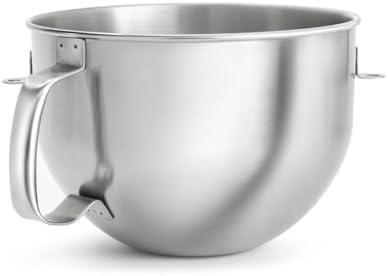
KitchenAid 6-Qt Bowl (Bowl-Lift)
Bowl only, not a mixer
Heavy, loud, and the bowl-lift mechanism takes two hands
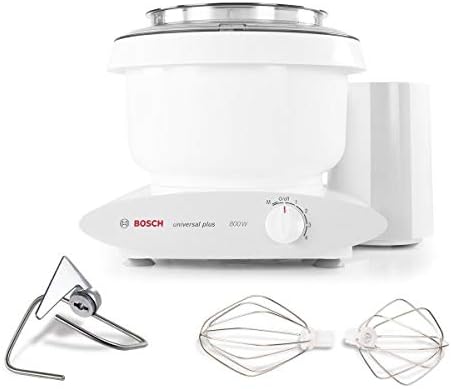
Bosch Universal Plus
The motor is a beast; whips cream in 90 seconds flat; never walks across my counter
Attachments are plastic and the bowl is awkward to pour from
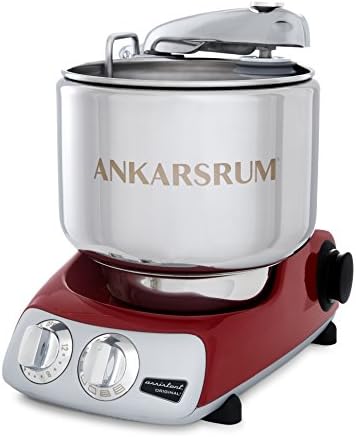
Ankarsrum Assistent Original AKM 6230
The last mixer I’ll ever buy; the balloon whisk is genius; no babysitting required
Expensive, and the bowl is huge for small batches
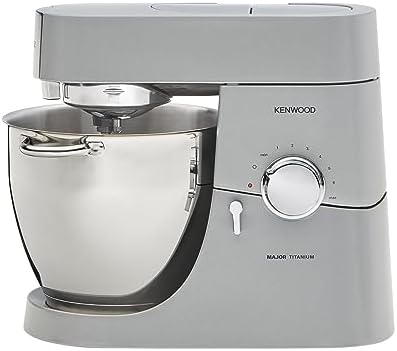
Kenwood Chef
Solid metal build; whips cream evenly on speed 4; what KitchenAid used to be
Hard to find parts in the US; bowl is shallow for big batches
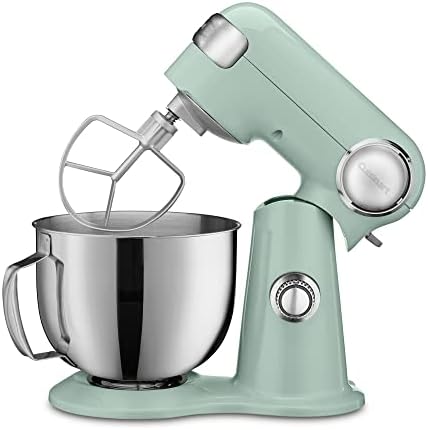
Cuisinart 5.5QT
Fine for a pint of cream; cheaper entry point
Struggles with stiff dough, and the whisk climbs on medium speed
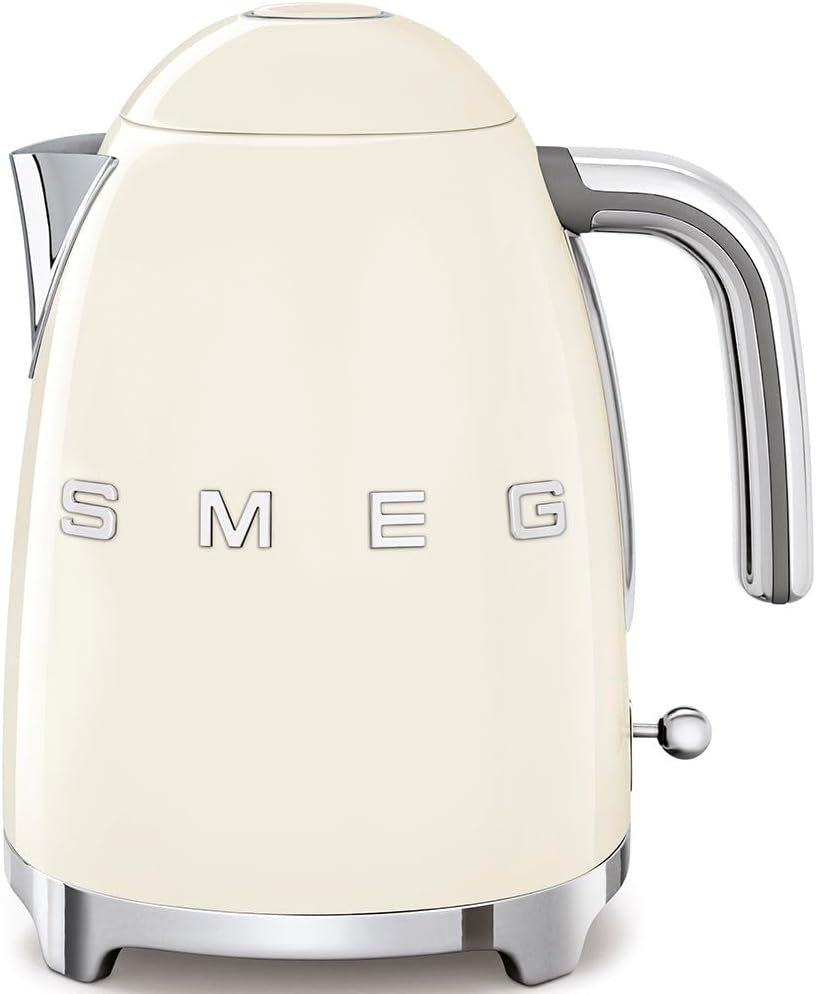
SMEG KLF03 Electric Kettle 1.7L
Gorgeous on the counter; quiet at low speed
Gutless on anything thick; you’ll babysit it the whole time
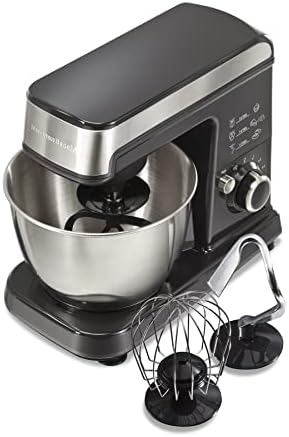
Hamilton Beach
Got me through college; whips a cup of cream fine
Walks across the counter; sounds like a blender full of marbles
Prices and availability were captured from Amazon Creators API and may change.
Whipping cream in a stand mixer is about three things: temperature, speed, and attention. The cream has to be cold, the bowl has to be cold, and you have to be standing there watching it. I don't care if the box says "hands-free." You leave a stand mixer running with cream in it and you're coming back to butter. That's not a maybe, that's physics.
The rule about cold cream
Cold cream whips. Warm cream doesn't. I keep my cream in the coldest part of the fridge, and I throw my metal bowl in the freezer for fifteen minutes before I start. My KitchenAid bowl is 5 quarts and holds a quart of cream with room to spare. That's the perfect ratio: one quart of heavy cream, two tablespoons of sugar, a teaspoon of vanilla. Whip it on speed 6 for about two and a half minutes.
I learned the cold bowl trick from my grandmother, who hand-whipped cream for fifty years and would've killed me for using a machine at all. She kept the bowl in the icebox. Same principle, different era.
My KitchenAid Pro 600: the workhorse
I've had my Pro 600 for a decade. It's the bowl-lift model, not the tilt-head, and that's the only KitchenAid I'll recommend for cream. The tilt-head wobbles after six months of regular use, and the head moves when the whisk is spinning. The bowl-lift locks the bowl in place, and the motor is strong enough to handle a quart of cold cream without slowing down.
The first time I used it, I put in a pint of cream and walked away to answer my phone. I came back to butter. That's not the mixer's fault, that's mine. The machine itself is a workhorse. It's loud, sure. My golden retriever Mabel leaves the kitchen when I turn it on. But it's never stalled, never overheated, never stopped.
The one thing I'll warn you about: the Pro 600 is heavy. I'm not saying it's a two-person job to move it, but I'm not saying it isn't either. I keep it at the back of my counter and pull it forward when I need it. The bowl-lift mechanism takes two hands to raise and lower. That's a small price for a mixer that's survived a decade of weekly bread baking and hundreds of batches of cream.
Choose the Pro 600 if you want a machine that'll outlive your kitchen remodel. Choose something else if you've got weak wrists or a small counter.
The Bosch Universal Plus: the secret weapon
The Bosch is what KitchenAid used to be. I bought mine after my second tilt-head burned out on bagel dough, and I've never looked back. The motor is a beast. It whips a quart of cream in about ninety seconds, and it doesn't even sound strained. I've done four batches in a row for a birthday party and it never got warm.
The downside is the bowl. It's a weird shape, wider than it is tall, and it's hard to pour from without spilling. I use a ladle. And the whisk attachment is plastic, which bothers me, but it's held up for three years now so I can't complain too much.
The Bosch walks less than any mixer I've owned. The suction feet actually work. I've never had to chase it across the counter, even on a double batch of stiff sourdough. For cream, it's honestly overkill, but I appreciate the margin. When I'm whipping cream for a brioche recipe that also needs a stiff dough kneaded, I don't have to switch machines.
Choose the Bosch if you bake bread and want one machine that does everything. Choose something else if you only whip cream once a month and don't want to learn a weird bowl shape.
The Ankarsrum: the splurge that's worth it
I bought my Ankarsrum after burning out two tilt-heads in four years. It cost me $649, and it's the last mixer I'll ever buy. The balloon whisk is completely different from every other machine. It's shaped like a big wire cage, and it whips cream by pulling it up from the bottom of the bowl in a way that's hard to explain until you see it.
The result is cream that's uniformly whipped, no dense spots at the bottom, no liquid at the top.
The first time I made whipped cream in it, I didn't have to babysit it. I set it on speed 3 and let it run while I measured out the sugar. It didn't climb the whisk, it didn't spatter, it just did the job. I should've bought it years ago.
The downsides are real. It's expensive, it's big, and the bowl is huge for small batches. If you're whipping a cup of cream for one dessert, you'll feel silly using this machine. But if you're making cream for a crowd, or if you bake bread weekly, this is the one.
One thing I'll admit: I don't track prices day to day, so I won't pretend to know next week's sale. What I know is that I paid $649 for mine, and at $5 a month over ten years, it's the cheapest mixer I've ever owned.
The Kenwood Chef: what KitchenAid used to be
The Kenwood Chef is a legitimate workhorse. I borrowed one from a friend who's owned it for eight years, and I was impressed. The metal construction is solid, the motor is strong, and it doesn't wobble at the hinge. It whips cream on speed 4 in about two minutes, and it's quiet enough that Mabel stays in the kitchen.
The problem is parts. Kenwood is a British brand, and if you're in the US, you'll wait a week for a replacement whisk. That's not a dealbreaker, but it's a consideration. The bowl is also shallower than the KitchenAid's, so a full quart of cream will splash if you're not careful.
Choose the Kenwood if you want bowl-lift stability without the Ankarsrum price tag. Choose something else if you want a brand with US-based customer service.
The Cuisinart: fine, with limits
The Cuisinart 5.5QT is fine for a pint of cream. I used one for a year when mine was in the shop, and it did the job. Speed 4, two minutes, decent results. The problem is anything thicker. I saw reports of it overheating on medium speed after ten minutes, and I believe it. It struggled with a stiff dough and it climbed the hook on anything above 60% hydration.
For cream specifically, it's fine. For anything else, you'll be replacing it in two years. That's the math.
The Smeg: pretty, but gutless
The Smeg is beautiful. I'll give it that. It looks like it belongs in a 1950s diner, and it's quiet at low speed. But my 1930s hand mixer has more power. The motor is gutless. It whips a cup of cream if you're patient, but a pint takes forever and it struggles to maintain speed.
I've seen buyers complain it can't handle bread dough, which is fair, but it was never designed to. It's a style purchase.
Know what you're buying.
At $449, you could buy a machine that does both. This one just sits there looking nice.
The Hamilton Beach: the honest budget pick
The Hamilton Beach got me through college baking. It's $80, and for cookies and the occasional cake, it's fine. Whipping a cup of cream? It'll do it, but it walks across the counter, the bowl doesn't lock in place properly, and it sounds like a blender full of marbles. My dog leaves the room.
I'm not going to trash it. It's $80. It's honest about what it is. But don't ask it to knead bread, and don't expect it to whip a quart of cream without you standing there the whole time. It's a starter mixer, and it'll die at month 13. I've seen it happen.
The technique that matters
Here's what I actually do, every time. Cream and bowl cold. Speed 6 on the KitchenAid, speed 4 on the Bosch. Start slow for ten seconds so it doesn't splatter, then crank it up. Watch it. At the two-minute mark, start checking every fifteen seconds. You're looking for soft peaks that hold their shape when you lift the whisk. Go past that and you're on the road to butter.
One trick: add the sugar after the cream starts to thicken. If you add it at the beginning, it doesn't dissolve. That's not a mixer thing, that's a technique thing. Any machine will do the same.
The honest bottom line
Whipping cream in a stand mixer isn't hard, but it's not hands-off. If you buy a cheap machine and walk away, you'll get butter. If you buy a good machine and watch it, you'll get perfect cream in two minutes.
I've burned out two mixers in my life, both because I pushed them too hard on bread dough. Cream is easy.
The machine doesn't need to be fancy. But if you're buying a mixer for bread and cream both, skip the tilt-head and save up for a bowl-lift.
That's the whole secret.