I ran a bakery for ten years before I moved into teaching bread classes, and for the first three of those years I kneaded every loaf by hand because I did not trust a machine with my dough. My wrists eventually filed a complaint. I bought a stand mixer for bread dough and have spent the years since judging every machine against one question: does the motor survive the fifth loaf?
A stand mixer for bread dough is rarely one purchase. It is a small system: the machine that does the heavy work, the smaller machine for one loaf or a bowl of frosting, the hook that fits what you already own, and a blade worth cutting the finished bread with. That is how this comparison is built. Four kitchen buys, sorted by what each one does for a bread baker and where each one stops being useful.
One note on method before we start. I have not run these four units through my own 60-day gauntlet. What follows is a buying comparison built from the spec sheets, the compatibility lines, and twenty years of watching mixers die in a bakery. The test I would run on any of them is at the bottom of this page, and you can run it at home.
Related: Stand Mixer Motor Torque Explained
The best pick in this group for most bread bakers is the Aucma 6.5-QT stand mixer, because 660 watts and a 6.5-quart bowl is the only combination here with genuine headroom for a two-loaf batch. Everything else on the list either supports that machine or has a smaller job to do.
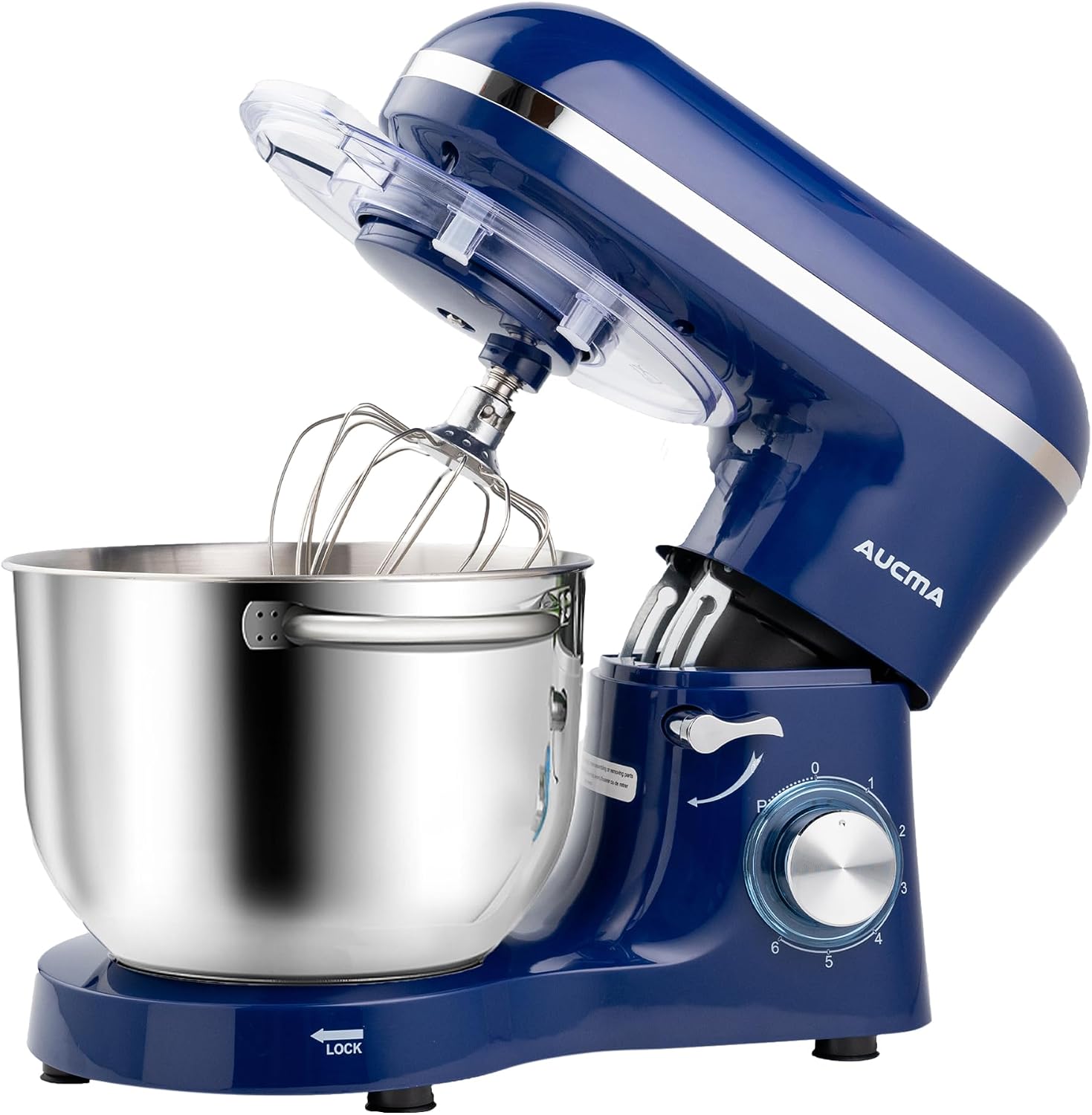
Aucma Stand Mixer, 6.5-QT 660W 6-Speed Tilt-Head
The only machine here with the wattage and bowl size for a real two-loaf batch of stiff dough
Tilt head design flexes under heavy load, and 6.5 quarts is a lot of bowl to store for one loaf
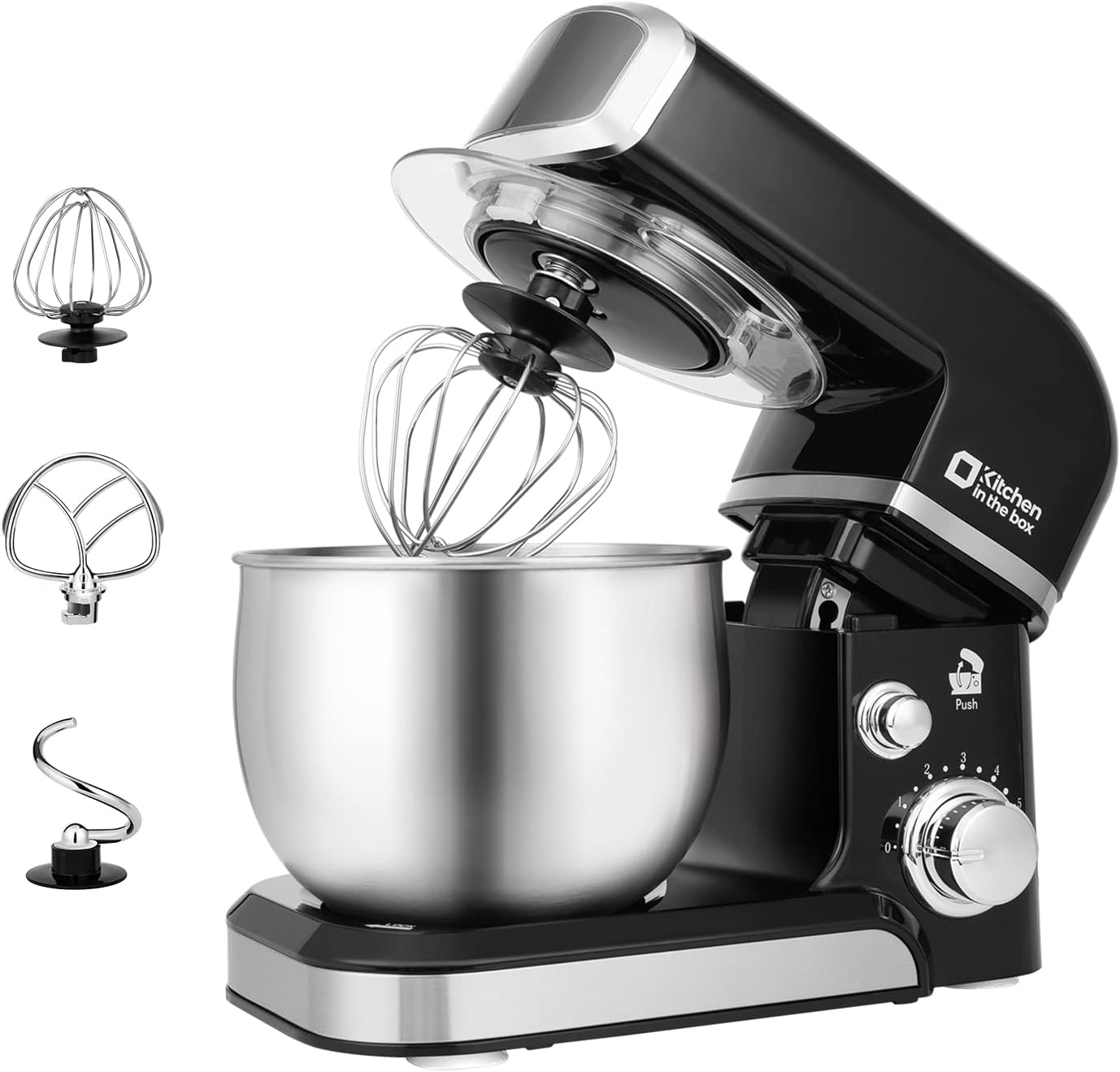
Kitchen in the box Stand Mixer, 3.2Qt 6-Speed Portable
Small, light, easy to store, and enough for cake batter, cookie dough, and cream
3.2 quarts and a compact motor make bread dough a job it was never built for
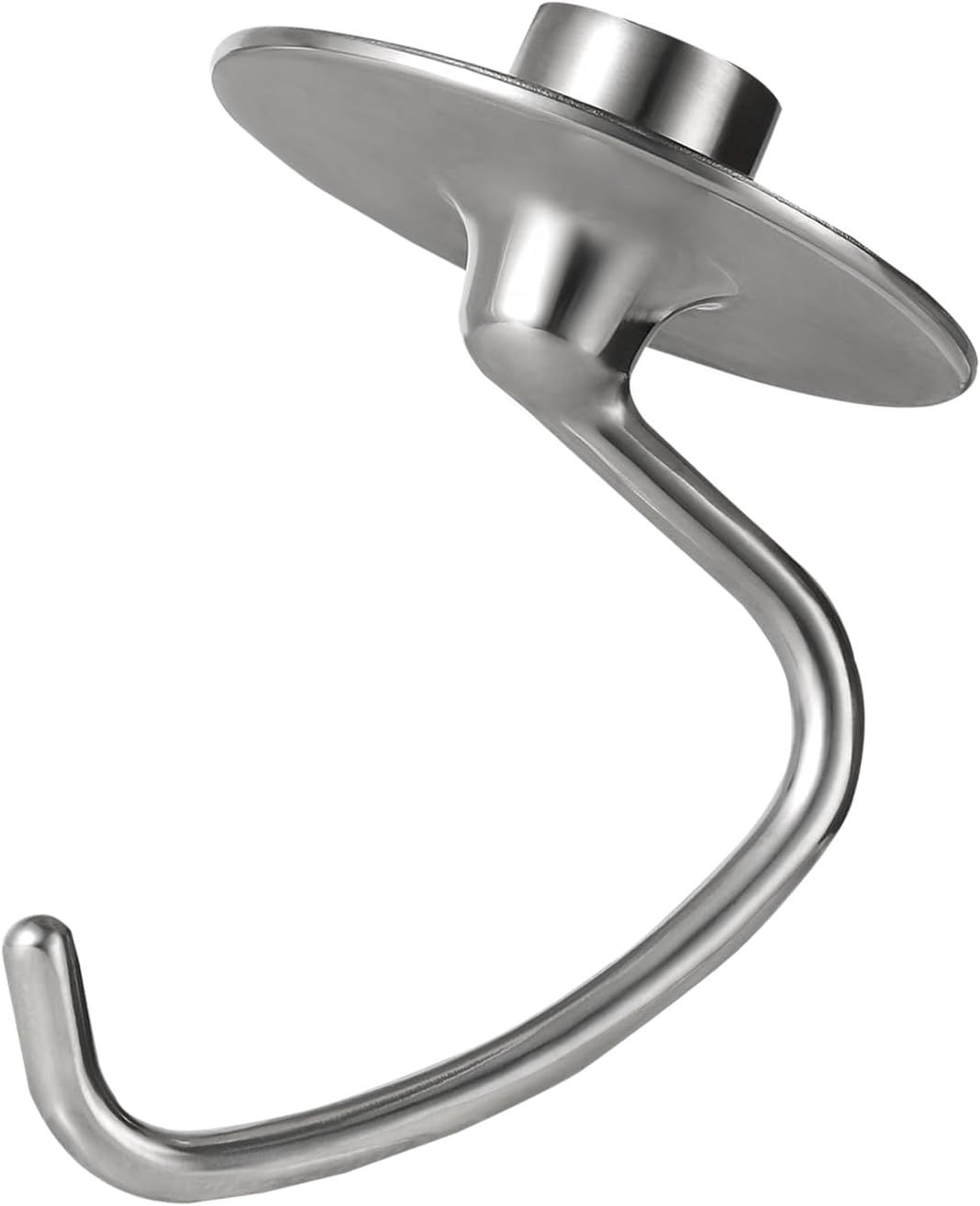
Stainless Steel Dough Hook Attachment for KitchenAid 4.5-5 Quart Tilt-Head
Cheapest way to fix a chipped or poorly climbing hook on a mixer you already own
Fits only KitchenAid 4.5 to 5 quart tilt-head mixers, so it is useless with the other machines here
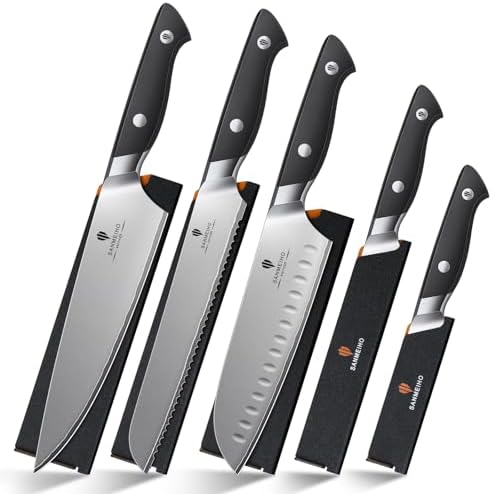
16 PCS Japanese Kitchen Knife Set with Block
Covers scoring, slicing, and every other blade job in a bread kitchen in one purchase
Priced like a serious purchase and it is not a mixer, so it should come after the motor
Prices and availability were captured from Amazon Creators API and may change.
What I judge before anything else
Wattage tells you power draw, not torque, and torque is what actually kneads a stiff dough. But wattage is the number manufacturers publish, so it is where you start. Under 500 watts, you are buying a whipping machine with a dough hook in the box. Between 500 and 700 watts with a bowl over 5 quarts, you are in the range where a weekly bread bake is realistic.
The second thing is bowl geometry. A deep, narrow bowl keeps a wet dough from climbing the walls. A wide bowl looks generous in photos and lets a slack dough spread out where the hook cannot reach it. The third thing is the hook itself. A good spiral hook climbs the dough and pulls it back into the middle. A bad one buries itself and spins in place while you stand there with a scraper, which is hand kneading with extra steps and a cord.
Aucma 6.5-QT: the one with real headroom
660 watts, six speeds, a 6.5-quart bowl, tilt head, and the full set of tools: dough hook, wire whip, and flat beater. If you bake two loaves at a time, or you make a double batch of brioche once a month, this is the machine in this group that was built for that job. 6.5 quarts is the honest kind of capacity, enough room for a full batch of dough without flour climbing over the rim.
Where it loses is the tilt head. I have said this in every mixer conversation I have had for a decade: a lift bowl design is a fortress, and a tilt head is a wobbler under load. The Aucma is a tilt head, so you are trading some rigidity for a lighter machine and a lower price. That trade is reasonable for most home bakers. It is not reasonable if you plan to run stiff dough through it four times a week for ten years, because that workload is what finds the weak point in a tilt mechanism.
The other honest note is size. 6.5 quarts is a lot of bowl to store and a lot of bowl to wash for a single loaf. Buy the big bowl because you will fill it, not because it looks serious. The Royal Blue finish is a kitchen decision rather than a baking one, though I will admit I like a mixer that does not look like every other appliance on the counter.
Kitchen in the box 3.2Qt: the small batch machine
3.2 quarts, six speeds, lightweight, portable, with an egg whisk, a dough hook, and a flat beater. This is the mixer for cookie dough, cake batter, whipped cream, and a single small batch of soft dough. It is also the mixer for a kitchen where the counter is already full and the cabinet is the only storage you have.
Where it loses is bread. 3.2 quarts and a compact motor are not the specs of a kneading machine, and no amount of marketing about a dough hook in the box changes that. If your plan is a weekly sourdough, this is the wrong purchase. Buying the cheapest mixer with a hook and then kneading by hand anyway is the most common way people waste money in this category.
If your baking is pancakes on Sunday, frosting at birthdays, and one batch of rolls at Thanksgiving, it does that job, and it does it in a footprint that fits a small apartment. That is a real use case, just a different one from the Aucma's.
The stainless dough hook: the cheapest fix here
This one is not a mixer. It is a replacement dough hook for KitchenAid 4.5 to 5 quart tilt-head mixers, in stainless steel. If you already own one of those machines and the coated hook has chipped, or the original hook rides up the dough instead of kneading it down, this is the least expensive way to change how your mixer behaves. No coating means nothing to flake into your dough, and stainless is the material you want in contact with a wet, acidic starter.
Where it loses is compatibility, and compatibility is the entire purchase. This fits KitchenAid 4.5 to 5 quart tilt-head mixers. It does not fit the Aucma in this table, and it does not fit the Kitchen in the box. A hook that will not lock into your machine is an expensive spoon. Check the model line on your mixer before you order, not after.
The 16-piece knife set: what a bread kitchen does with a blade
Bread is the one thing in a kitchen that demands a genuinely sharp, long blade. Scoring a boule, cutting a sandwich loaf without crushing it, slicing a bâtard for toast. But a bread kitchen also breaks down a chicken, chops herbs, and cuts the crust off a kid's sandwich. A 16-piece set with a block covers all of it in one purchase, and dishwasher safe means you will actually use it on a Tuesday instead of leaving it in the sink.
Where it loses is price and priority. This is the most expensive item in this comparison and it is not a mixer. If bread is the project and the budget is finite, put the money into the motor first, because a bad mixer will fail you and a decent knife will still cut bread. The second caution is the piece count. A 16-piece set can mean 16 items including a pizza cutter, a honing rod, and kitchen shears. Count what you will actually hold before you decide the block is a bargain. Dishwasher safe is a convenience claim, not a sharpness claim.
How the four fit together
If you bake bread weekly and you have the counter space: the Aucma. If you already own a KitchenAid 4.5 to 5 quart tilt-head and the hook is the weak point: the stainless dough hook, and nothing else. If your baking is cakes and cookies in a small kitchen: the Kitchen in the box. If you have a real budget, no sharp knife, and you cook as much as you bake: the knife set.
What you should not do is buy two mixers to solve one problem. A small mixer and a big mixer is a reasonable pair only if you genuinely bake at two different scales. Otherwise you own two machines and one of them lives in a cabinet.
The ten minute test I run on every mixer
Whatever you buy, do this in the first week while the return window is open. Make the stiffest dough you ever make, run the mixer for ten minutes, and then smell the housing near the motor vents. Warm is normal. Hot is a warning. If it smells like a hot hair dryer, the machine is working past its limit, and no bowl size printed on the box will fix that. Send it back.
While the dough is in the bowl, watch the hook. If it climbs the dough and folds it back toward the center, the geometry is right. If it spins in place while the dough sits against the wall, you will be finishing that loaf by hand for the life of the machine.
The bottom line
The Aucma 6.5-QT is the pick for most people who actually bake bread, because it is the only machine here with the wattage and the bowl to handle a real batch of dough. The Kitchen in the box is the right answer for a small kitchen and a light baking habit, and the wrong answer for a bread habit. The stainless dough hook solves a problem for people who already own the right mixer. The knife set is a different purchase entirely, and a good one, as long as you buy it after the motor and not before.
That is the order I would spend the money: motor first, blade second, accessories only when they fix something you already own.