I bought my first stand mixer because my wrists quit before my sourdough did. Twenty years later, with a decade of running a bakery behind me and a few more years teaching bread classes in a drafty Vermont church hall, I still judge every dough tool by one question: does it survive the fifth loaf? This comparison covers four items that do different jobs on the same bench. A 6-quart tilt-head stand mixer, a replacement 6-quart stainless bowl for bowl-lift machines, and two wooden rolling pins. The pairing of a stand mixer and rolling pins is not accidental. Mixing and shaping are the two halves of every bake day, and most people overspend on one while ignoring the other.
Here is the problem with shopping for dough tools in 2026. The listings all sound identical. Heavy duty. Non-stick. Easy clean. None of those words tell you whether a motor will stall on a stiff levain or whether a pin will skid across a floured counter. So I sort by job. The mixer does the kneading. The spare bowl keeps a bake day moving. The rolling pins handle everything the mixer never touches: laminated dough, biscuits, dumpling wrappers, tortillas, pie crust.
If you are starting from nothing, the VIVOHOME 6-quart tilt-head mixer does the most work per dollar. If you already own a bowl-lift KitchenAid, the 6-quart stainless replacement bowl is the quiet upgrade that changes how a bake day runs. And if you roll dough by hand, either wooden rolling pin set will outlast anything plastic you bought at a grocery store.
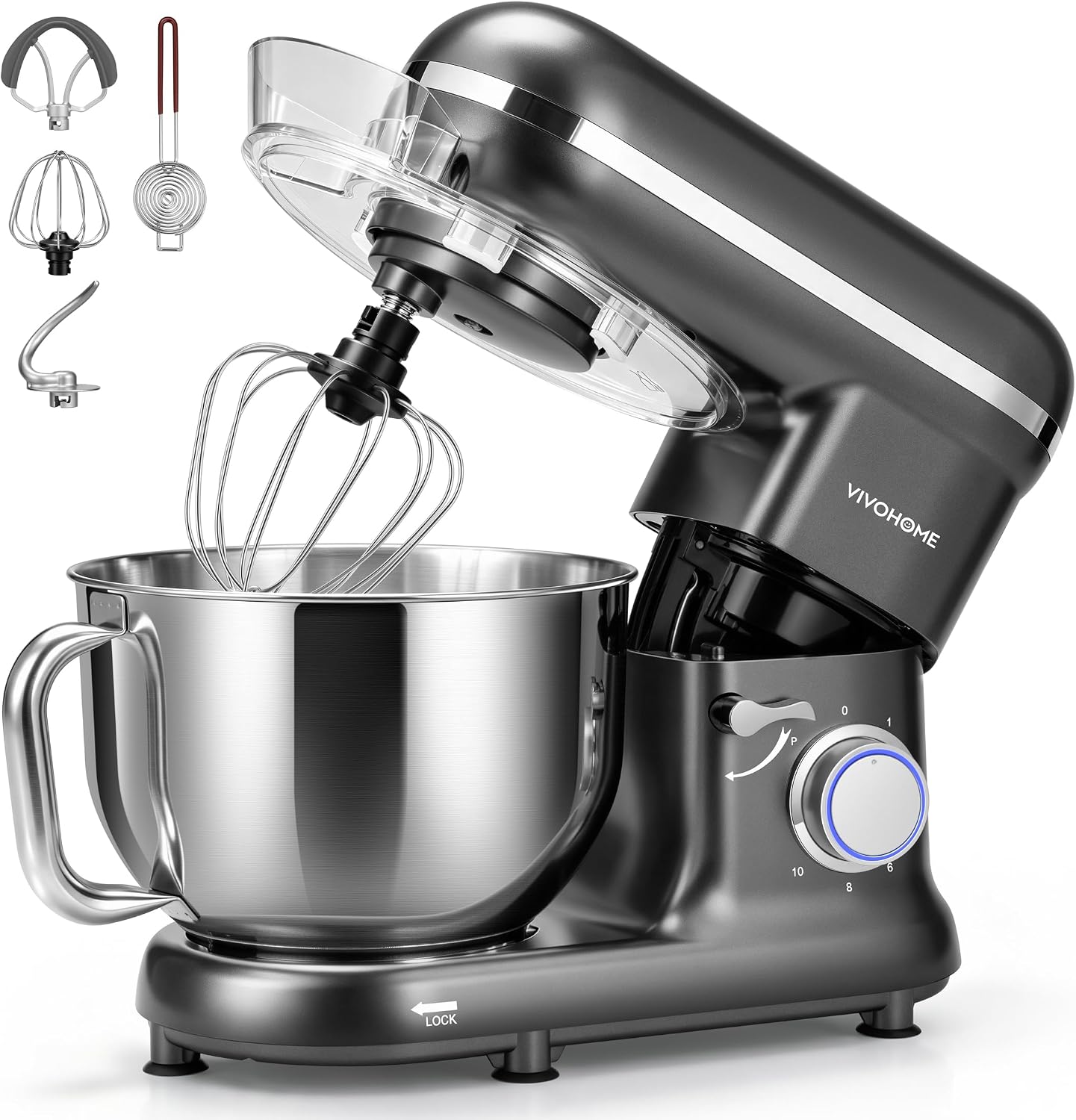
VIVOHOME Stand Mixer, 6-Quart Tilt-Head Kitchen Mixer with Bowl, Gray
Six quarts and a bowl in the box, the most mixing capacity per dollar in this group
Tilt head is the wobbly design under stiff dough, so confirm motor power before committing to weekly bread
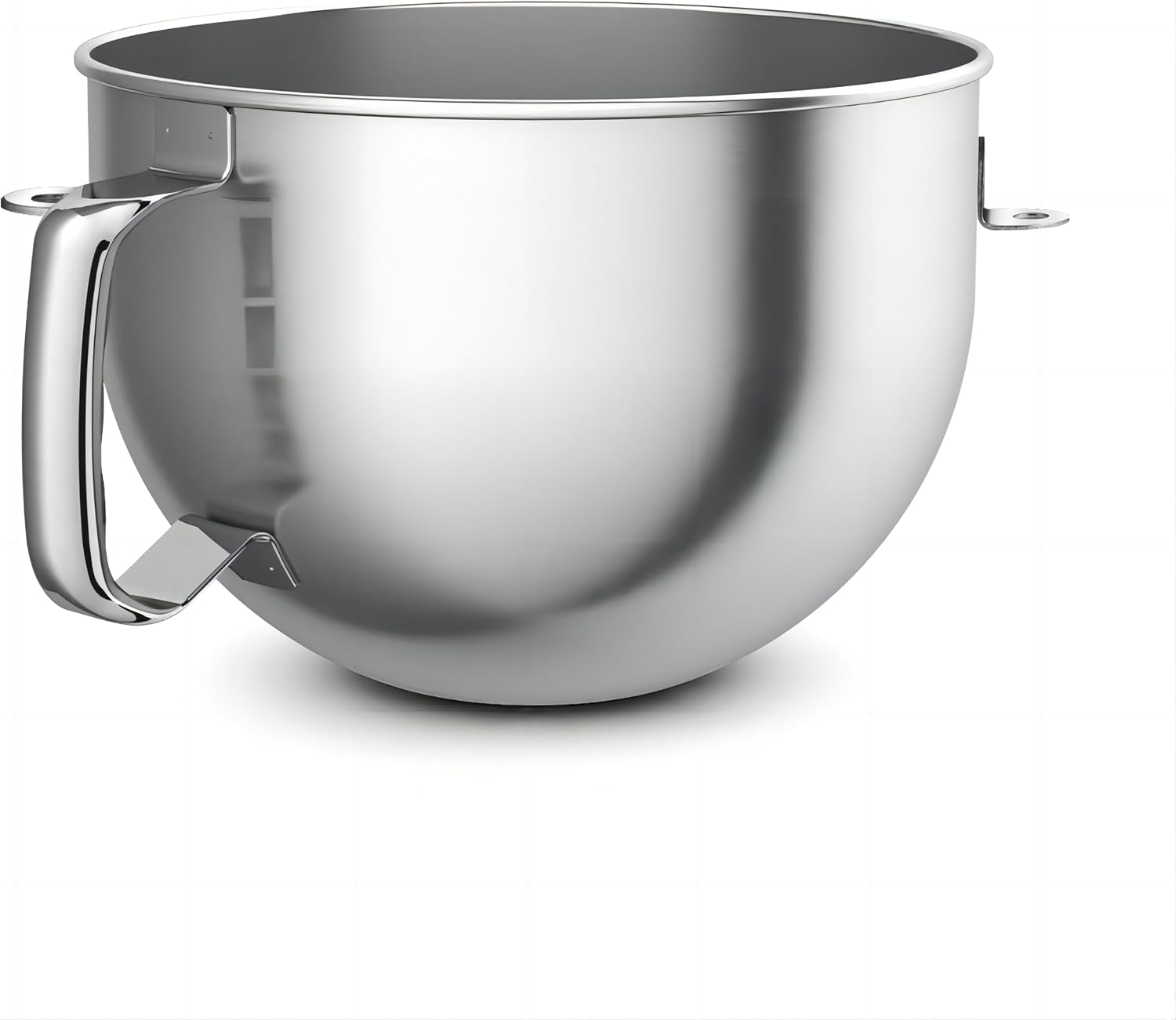
6 Quart Stainless Steel Mixer Bowl for Kitchenaid Bowl-Lift Mixer KP26 KL26
Steel bowl and a second-bowl workflow for bakers who already own a lift model
Only fits bowl-lift machines, and it is a bowl, not a mixer
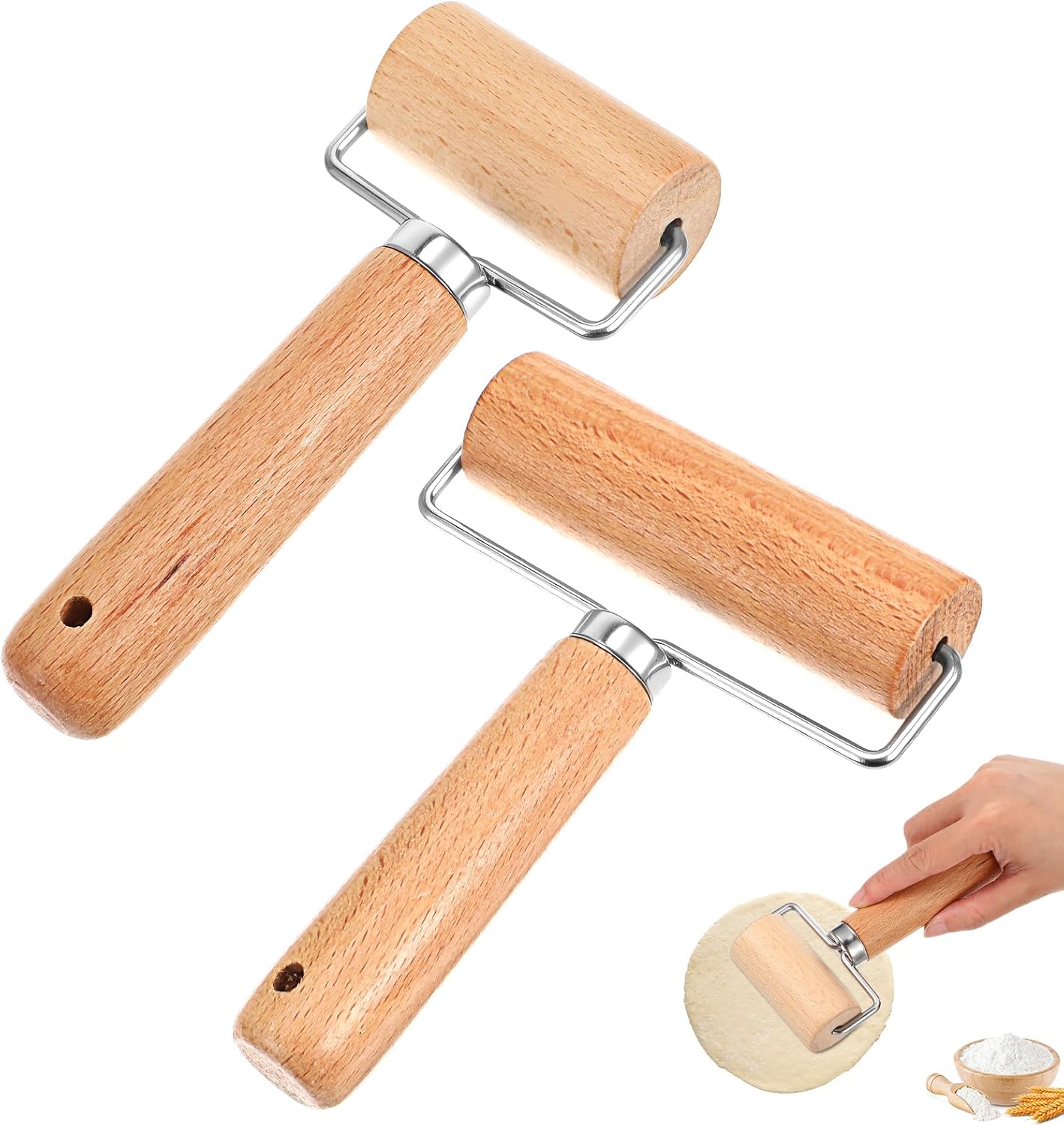
2 Pcs Baking Wooden Rolling Pins T-shape Pizza Dough Roller Pin Non-Stick Baker Pastry Roller Set
Two sizes and T-shape handles that let you put real pressure into stiff dough
T-shape takes practice, and wood needs oiling, never a dishwasher
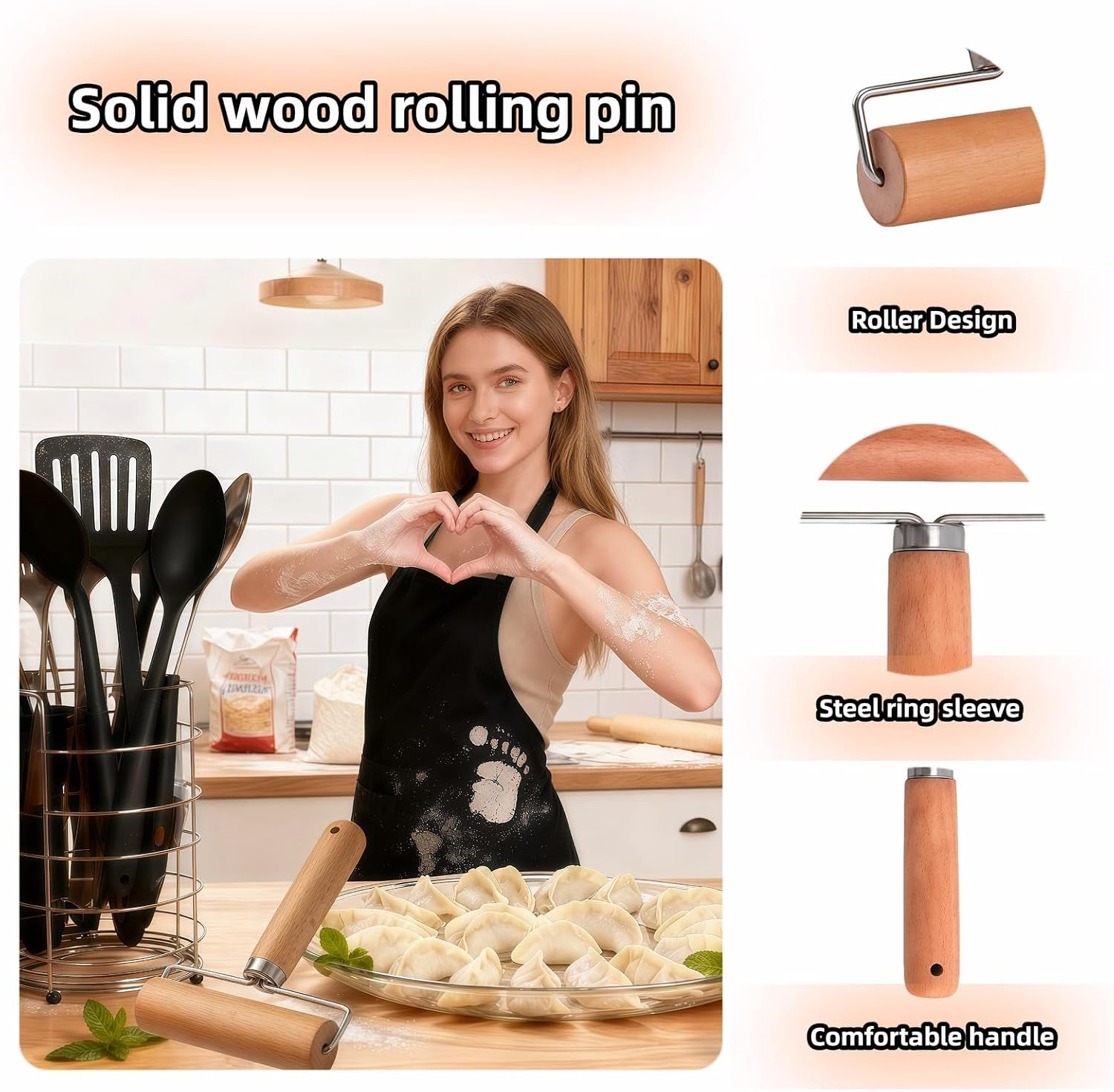
Wooden Rolling Pin Set, Non-Stick Pizza & Dough Roller, Ergonomic Bakery Tool
Familiar handled design, non-stick finish, compact storage for small kitchens
A single-pin kit gives you less variety, and you should check the barrel for flex before leaning on it
Prices and availability were captured from Amazon Creators API and may change.
What a dough bench actually needs
Three jobs, and they belong to three different objects. Mixing and kneading is the motor's job. Capacity is the bowl's job. Shaping is your hands and a pin.
Most kitchens buy those in the wrong order. They spend everything on the mixer, then discover on a Saturday morning that they need a second bowl because two doughs are proofing at once, then keep rolling with a cracked plastic pin from a grocery store bin. I have watched students do exactly this in class, and the fix is not expensive. It is just ordered badly.
So let me be direct about what each of these four products is for, because two of them are accessories and two of them are the main event.
The mixer: VIVOHOME 6-quart tilt-head
The VIVOHOME is a 6-quart tilt-head mixer with a bowl included, finished in a gray that hides flour dust better than white ever will. Six quarts is a genuinely big tilt head, which matters more than the marketing suggests. A big bowl with a weak motor is a salad spinner with ambitions.
Tilt head means the head tips back on a hinge so you can drop the bowl in and out from the front. That is a real convenience. You can add flour, scrape down, and check the bottom of the bowl without lifting anything heavy. The trade-off is physics. A tilting head is a hinge, and hinges move under load. On buttercream, cookie dough, and cake batter, you will never notice. On a stiff two-pound bread dough, a tilt head works harder than a lift-bowl design, and you may see the head rock slightly as the dough comes together. That is the design talking, not a defect.
What to check before you buy, whether it is this mixer or any other: the motor rating and the dough hook. A mixer that whips cream effortlessly can still stall on bread dough, and the wattage on the box tells you power draw, not torque. Torque is the twisting force that actually kneads. If the motor smells hot after ten minutes of dough, it was not built for what you are asking of it.
Who it is for: cake and cookie bakers, anyone upgrading from a hand mixer, and anyone who wants a 6-quart bowl without paying lift-bowl money. Who it is not for: the baker planning a decade of weekly sourdough. For that, save for a lift-bowl machine with a bigger motor. The bowl capacity on any mixer is a promise the motor has to keep.
The spare bowl: stainless steel for bowl-lift machines
The 6 Quart Stainless Steel Mixer Bowl is made for KitchenAid bowl-lift mixers, including the KP26 and KL26 models. If you own one of those machines, this is the least glamorous and most useful thing in this article.
Here is why a second bowl changes a bake day. A sponge, a poolish, or a starter build has to sit. If your only bowl is holding it, your mixer is out of service until that stage finishes. A second bowl means you can mix the sponge, set it aside, and start the final dough without washing up in between. On a two-bread day, that is the difference between a morning and an afternoon.
Steel matters too. Stainless handles stiff dough, scraping, and repeated washing without the chipping you get on coated aluminum. It is heavier, and heavier is the point. A bowl that stays put while a dough hook climbs through a stiff dough is doing its job.
The catch is fit. This bowl is built for bowl-lift machines, not tilt-head models. If your mixer has a head that tips back, this is not your bowl, and no amount of wishing will change the locking mechanism. Measure your machine before ordering, or better, check the model number on the base. Also be clear about what arrives: a bowl. Not a mixer, not a beater, not a dough hook. If you are shopping for your first mixer, buy the mixer first and come back for this later.
The rolling pins: two very different tools
The mixer never touches a pie crust, a biscuit, or a dumpling wrapper. That is pin work, and it is where most home bakers quietly cut corners.
The first option is the two-piece T-shape set. Two pins, wooden, with handles that sit perpendicular to the barrel so you can press straight down with your palms. That geometry is why pizza makers and tortilla makers like it. You get pressure without your knuckles dragging through the flour, and you get two sizes, which is genuinely useful. The larger pin handles pizza and pie rounds, the smaller one handles dumplings, cookies, and anything delicate.
The learning curve is real. With a T-shape pin, you steer with your hands at the ends and roll with your palms, and the first few rounds come out lumpy. Give it a week. What you get in return is control and pressure on stiff dough, which a lightweight handled pin simply cannot match.
The second option is the Wooden Rolling Pin Set, a more traditional handled design with a non-stick finish, ergonomic grips, and a compact footprint for small kitchens. This is the pin most people picture when they hear the word rolling pin, and for rolling large sheets of cookie dough or a big pie crust, the familiar back-and-forth motion is faster to learn.
Two honest notes. Non-stick on a wooden pin is a finish, not a force field. You will still flour lightly, and if you skip it, you will still get sticking. And the listing calls this heavy duty, which is a claim worth testing the moment it arrives. Set the pin across two counters and lean on the middle. A barrel that flexes gives you an uneven sheet, and uneven sheets mean uneven cookies. A barrel that holds firm is a pin you will keep for twenty years.
One more thing that applies to both sets: wood is wood. Hand wash, dry immediately, and oil it a few times a year with food-grade mineral oil. Put a wooden pin in a dishwasher and you have invented a very expensive way to buy a cracked stick.
The trade-offs nobody lists
Every one of these has a cost that does not show up in the bullet points.
A tilt-head mixer is easier to load and clean around, and less rigid under heavy dough. A lift-bowl machine is a fortress, and it is heavy enough that you will think twice before moving it. Neither is wrong. They are built for different bakers.
A second bowl costs far less than a second mixer and does most of the same work, but only if you already own a compatible machine. Check the model number first. This is the single most common mistake I see in emails from readers.
A two-piece T-shape set gives you more range, and takes practice. A handled single-pin set is more familiar, and less versatile. Do not buy both sets. Pick the one that matches how you already roll.
And attachments: if you buy a mixer for its attachment ecosystem, buy the attachment you will actually use, not the bundle. I own three attachments I have used exactly once, and I am not proud of it.
Which one should you buy first?
If you have no mixer at all, start with the VIVOHOME. It mixes, it kneads, it comes with a bowl, and it handles cake, cookie, and moderate bread work. That is the biggest single jump in capability you can buy here.
If you already own a bowl-lift KitchenAid and you bake more than once a week, buy the stainless bowl next. It is the cheapest way to double your effective capacity, and it costs a fraction of a second mixer.
If you mix and knead by hand and your only complaint is shaping, buy a rolling pin. Choose the T-shape set if you make pizza, tortillas, or dumplings. Choose the handled set if you roll big sheets of cookie dough and want something that stores small.
If you are doing all three, buy them in that order and space the purchases out. A dough bench is built, not ordered in one click.
The last word
None of these four items is the best dough tool in the world. Each one is the best tool for a specific job, and the mistake is buying the wrong job. A mixer that stalls on bread dough is a cake mixer with a marketing budget. A bowl that does not fit your machine is a paperweight. A rolling pin that flexes gives you cookies that bake unevenly, and you will blame the recipe.
Match the tool to the dough you actually make. That is the whole test, and it has never once failed me.