I have kneaded enough dough by hand to know the exact moment my wrists start negotiating for a machine. Twenty years in a bakery, a decade of teaching bread classes, and the stand mixer is still the first appliance I would replace if my kitchen burned down. So when a home baker asks me what to buy next, I usually turn the conversation into a Cuisinart SM-50 stand mixer comparison, because the honest answer is almost never "all of it at once."
This comparison lines up four products that landed on the same shopping list: two Cuisinart SM-50 stand mixers in different colors, a two roller malted grain mill, and a seven piece Japanese knife set with a magnetic block. Only two of the four will ever knead bread. All four will happily take your money.
The table is the fast version. The rest of this article is the version you read when you have already been burned by a mixer that smelled hot after ten minutes of stiff dough.
The short answer: if bread is the goal, the Cuisinart SM-50 is the buy, and the grain mill is the upgrade you earn later. The knife set makes everything around the dough faster, but it will never develop a single gluten strand.
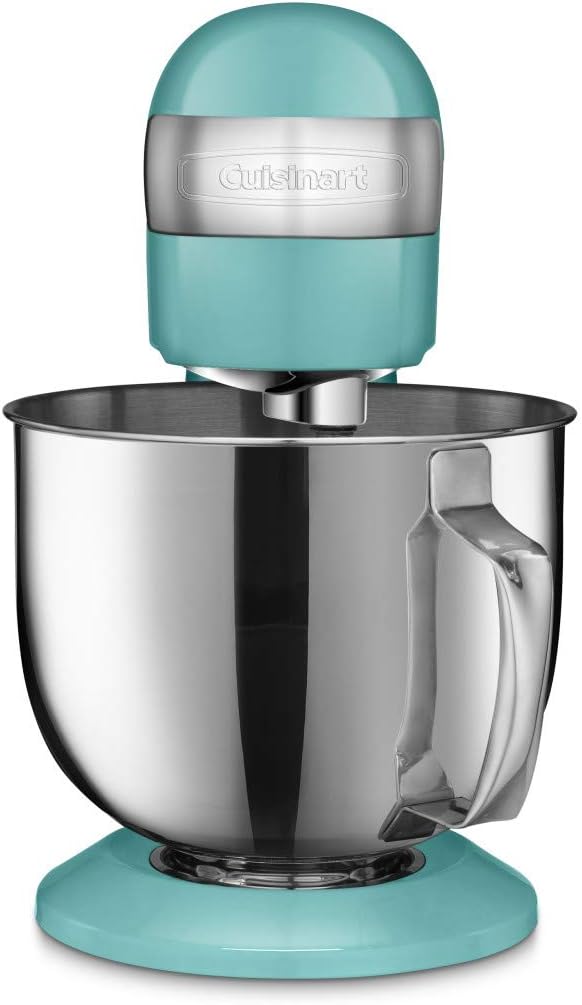
Cuisinart SM-50TQNAS, Periwinkle Blue
Full kit for real baking: 12 speeds, 5.5 quart stainless bowl, chef's whisk, mixing paddle, dough hook and splash guard with pour spout
Tilt head design and a basic attachment line mean heavy double batches are not its job
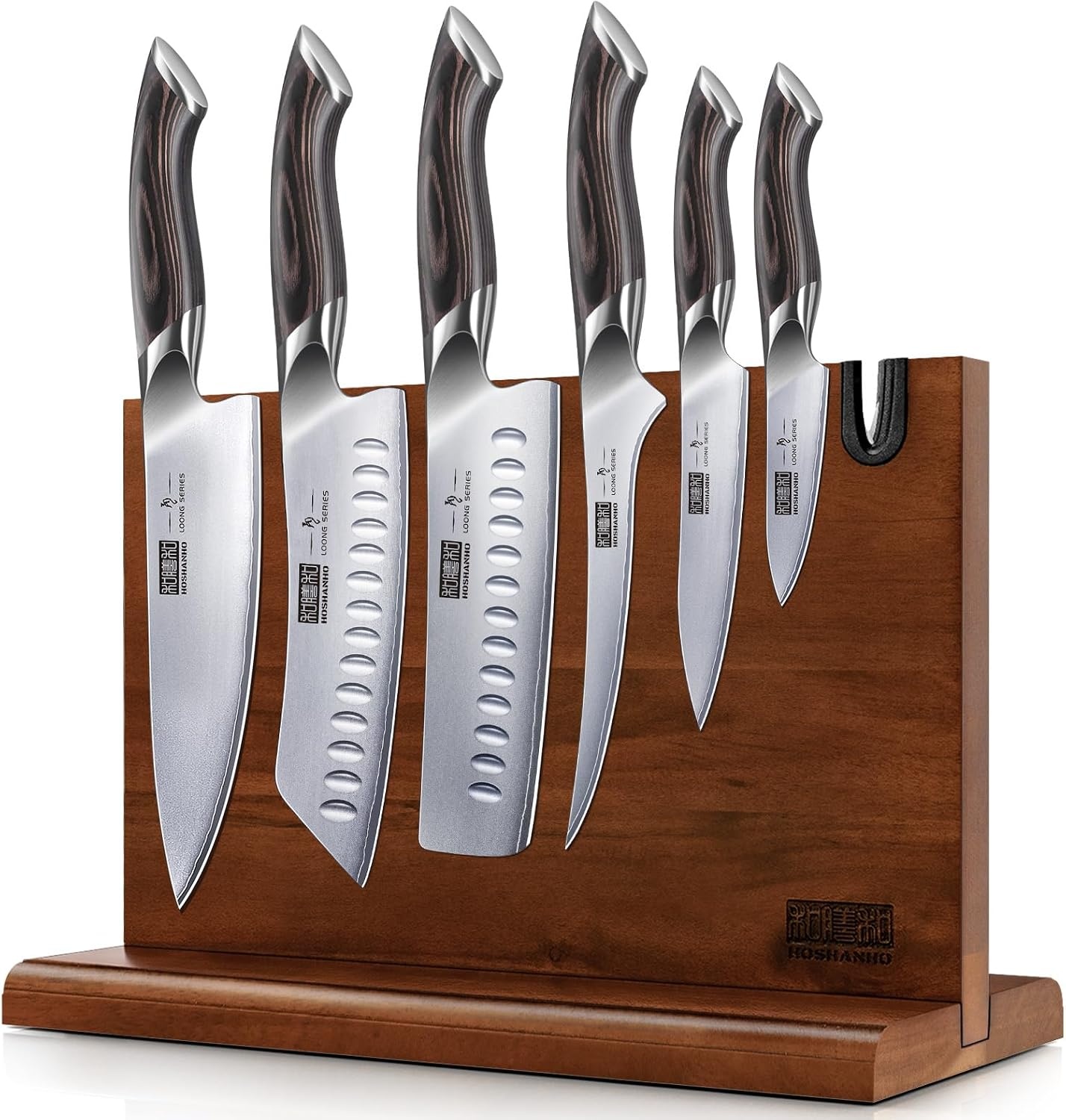
HOSHANHO 7PCS Kitchen Knife Set
Seven pieces plus a magnetic block clears counter clutter and makes dividing, scoring and shaping dough faster
It cannot mix, knead or mill anything, so it is a companion purchase, not a substitute
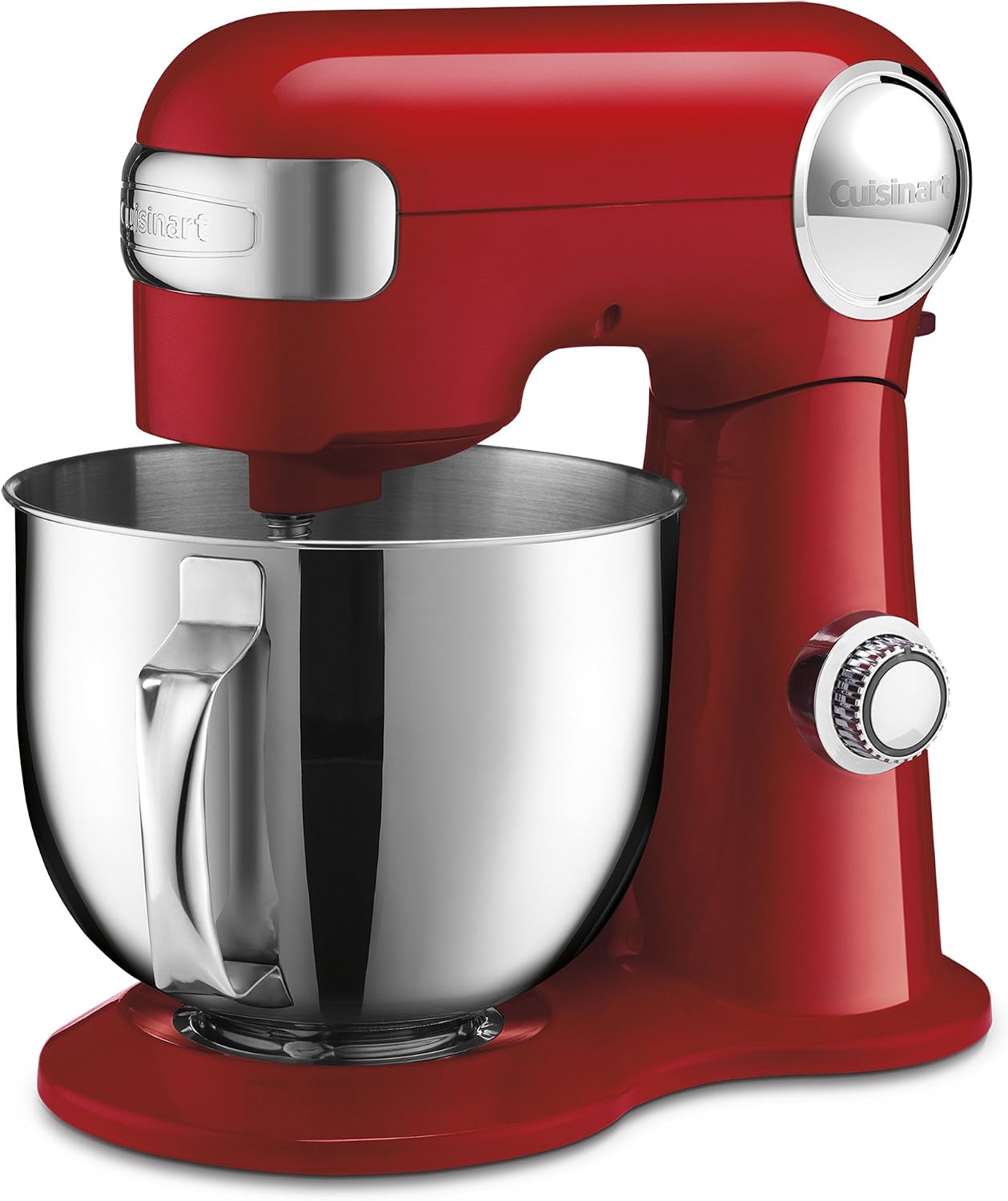
Cuisinart SM-50R, Ruby Red
Same 12 speed, 5.5 quart platform with whisk, paddle, dough hook and splash guard, in the finish most kitchens match
Identical capability to the periwinkle model, so the choice is purely cosmetic
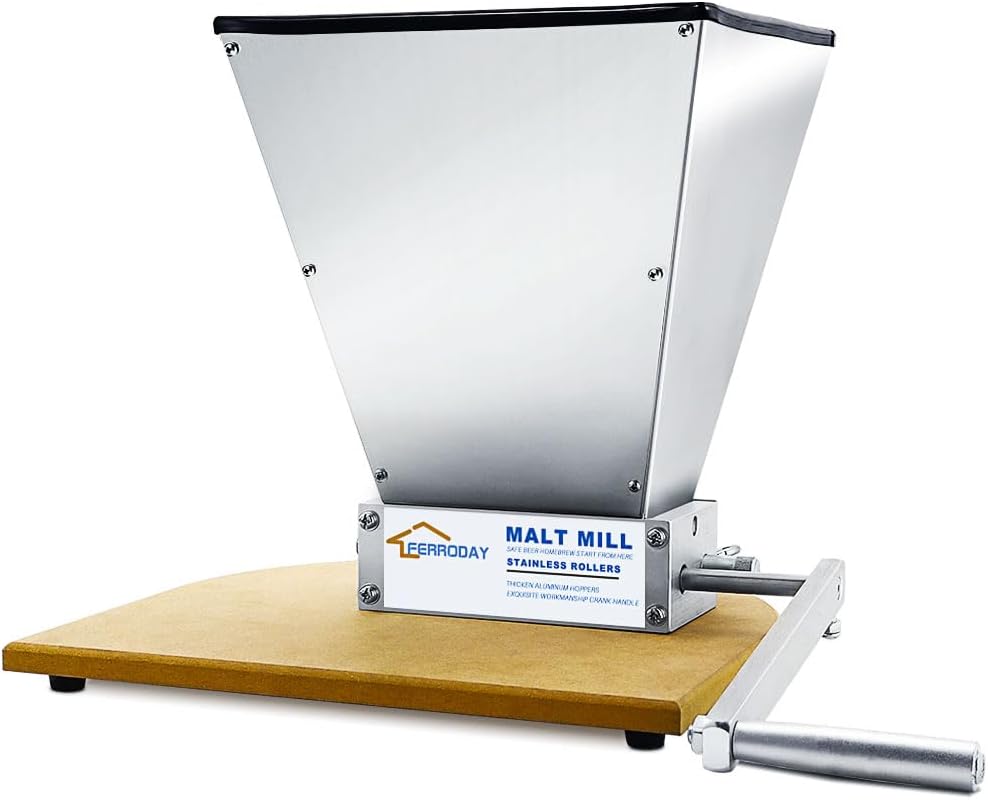
FERRODAY Malted Grain Mill, 2 Roller Stainless Steel
Cracks malt, barley and whole grain so you can mill your own flour and brewing grist
It mills grain only. It does not mix dough, and it does nothing at all until you source grain
Prices and availability were captured from Amazon Creators API and may change.
The two Cuisinart SM-50 mixers, and why color is the whole story
Both listings describe the same machine: 12 speeds, a 5.5 quart stainless steel bowl, a chef's whisk, a mixing paddle, a dough hook, and a splash guard with a pour spout. One is periwinkle blue, the other is ruby red, and the red one is listed as a manual machine. That is the entire mechanical difference, which means the decision comes down to three things that have nothing to do with motor torque.
First, color longevity. A mixer lives on your counter for a decade or more, and a finish you merely tolerate is a finish you resent by year three. Second, the bundle. Confirm which accessories ship in the box you are actually buying, because the whisk, paddle, hook and splash guard are the difference between a working mixer and a shopping list. Third, availability and price at the moment you buy, which shifts constantly, so check the current listing instead of trusting a number someone quoted you last month.
My rule for the two colors: pick the one that matches your kitchen, then stop thinking about it. There is no bread-related reason to choose periwinkle over ruby red. Visit on Amazon → for the blue, or Visit on Amazon → for the red.
What the SM-50 gets right in a bread kitchen
Twelve speeds sound like marketing until you are trying to incorporate flour at the bottom of the bowl without launching a dust cloud across the counter. A genuinely slow first speed is the most useful feature a mixer can have for bread, and the SM-50 gives you that plus a dough hook built for the job.
The 5.5 quart bowl is a real size, but treat it as a lean-dough number. A standard two-loaf batch of country bread or a single batch of sandwich loaves fits comfortably. A double batch of stiff sourdough, or a rich brioche, is where you start asking the machine for more than it wants to give, and the answer will be audible.
The splash guard with a pour spout is the underrated part of the kit. Adding liquid to a running mixer is where most kitchen messes begin, and a guard that lets you pour while the machine runs keeps the flour in the bowl where it belongs.
For a first mixer, or a second one dedicated to cakes and cookies, this is the package I point people toward. It mixes, it kneads, and it is built for normal weekly use rather than one enthusiastic month.
Where the SM-50 comes up short
Two honest criticisms, and both are about the design rather than the brand.
The first is the tilting head. A tilt head is convenient for adding ingredients, but the head is a cantilever, and cantilevers move under load. If your weekly bake is a stiff, low-hydration dough, you will feel the machine working in a way you would not feel on a lift-bowl design, where the bowl rises into a fixed head. That is not a defect. It is a trade-off worth knowing before you buy.
The second is attachments. The SM-50 accessory ecosystem is basic. If your long-term plan includes a pasta roller, a meat grinder or a spiralizer, you are looking at a machine that will not grow with you the way the large attachment ecosystems do. Buy the SM-50 for what is in the box, not for what you hope to bolt onto it later.
Neither point makes this a bad mixer. It makes it a specific mixer: an excellent weekly bread and cake machine, not a bakery workhorse.
The two roller grain mill: the tool that changes what you can bake
This is the product in the group that most people either skip and regret, or buy too early and let sit in a cupboard.
A two roller mill cracks grain between stainless steel rollers. That is the design you want for malt and barley, and it is also how you turn whole grain into flour. If you brew, cracking your own malt gives you control over the crush. If you bake, milling your own flour gives you the one thing store flour cannot: freshness measured in hours instead of months. Whole grain flour starts losing the volatile oils that make it taste like something the moment it leaves the rollers.
Where it fits in this comparison is after the mixer, not instead of it. A mill produces flour. A mixer turns flour, water, salt and time into dough. Buying the mill without a machine that can handle the dough is buying the second half of a two-part system. Visit on Amazon → if you are ready for that commitment.
The catch is real: a mill only pays off if you are willing to source grain, store it, and mill before you bake. If your flour comes off the grocery shelf and you are happy with it, this is the easiest item on the list to postpone.
The knife set: the quiet upgrade that speeds up everything else
A seven piece knife set with a magnetic block solves a problem that has nothing to do with mixing: clutter and dull edges.
Magnetic blocks keep blades off the drawer floor and out of a wooden block that collects crumbs, and seven pieces covers the work most home kitchens actually do. Where this matters for bakers is the shaping bench. A sharp knife divides dough, scores loaves and cuts laminated dough cleanly, and doing those jobs with a dull blade is how a good bake ends up with a torn crust and a squashed proof.
What the knife set will not do is knead. It is a companion purchase, not a substitute for the mixer. If your current knives are the ones that came with a block you received as a gift a decade ago, this is the upgrade you will notice every day, including the days you do not bake. Visit on Amazon → to see the set.
Maintenance matters more than the marketing here. Keep the edges away from glass and hard boards and a set like this stays useful for years.
The trade-offs you cannot dodge
Bowl size is not dough capacity. A 5.5 quart bowl tells you about volume, not about how much stiff dough the machine can push. Judge a mixer by how it handles your heaviest dough, not by the number stamped on the bowl.
Tilt head versus lift bowl. Tilt heads are easier to load and clean. Lift bowls are steadier under heavy dough. If bread is the priority, steadiness wins.
Attachment ecosystems cost more than the mixer. A machine with a limited accessory line is cheaper up front and more expensive later if you wanted those accessories.
Color is a real cost. You will pay for the finish you want, and it has zero effect on the crumb.
Grain milling is a habit, not a purchase. The mill is only worth it if you will actually use it.
Knives are maintenance. The best set in the world is a dull set in six months if you treat it badly.
How I would spend the money, in order
If you own no mixer and you bake bread: buy the Cuisinart SM-50 in the color you like and stop reading. That is the product on this list that turns ingredients into bread, and it is the one that will still be on your counter in ten years.
If you already own a mixer that handles your weekly dough: the knife set moves to the top of the list. Sharp edges make shaping and scoring faster and cleaner, and it is the cheapest quality-of-life upgrade in the group.
If you bake often enough to buy grain in bulk, or you brew: the two roller mill earns its place after the first two purchases. Mill fresh, mix immediately, and you will taste the difference in the first loaf.
If you are stuck between the two Cuisinart colors: pick ruby red for the classic kitchen look, periwinkle blue if you want the machine to be the interesting object on the counter. Same bowl, same speeds, same hook, same splash guard.
The bottom line
The Cuisinart SM-50 is the best budget pick in this group because it does the one job that matters, mixing and kneading, without asking you to rebuild your kitchen around it. The knife set is the smart second purchase. The grain mill is the one that rewards patience and punishes optimism.
Buy the mixer, keep your knives sharp, and add the mill when your baking has outgrown the flour aisle.