
The Mixer Is Not The Problem. The Dough Is.
Every stand mixer marketing page shows the same photo: a glossy machine, a perfect loaf, a smiling person who clearly didn't just spend 20 minutes scraping dough off a hook. The claim is always the same.
"Bakes bread effortlessly." But I've burned out two motors on bagel dough, finished a brioche by hand at midnight, and watched a brand new machine walk itself toward the counter edge like it was trying to escape.
So here's the honest question: can your mixer actually handle bread, or are you about to babysit a disaster?
I'm Sam. I ran Blue Ribbon Bread Co. for a decade, and I've taught bread classes from my home kitchen in Portland for the last five years. I own three mixers right now. My KitchenAid bowl-lift has survived ten years of weekly baking.
My Ankarsrum was the splurge that changed how I work. And my cheap Hamilton Beach is a reminder of what $80 gets you.
My golden retriever Mabel leaves the kitchen when I turn on the noisy one. She's a good judge of character.
Here's what you need to know before you make bread in a stand mixer.
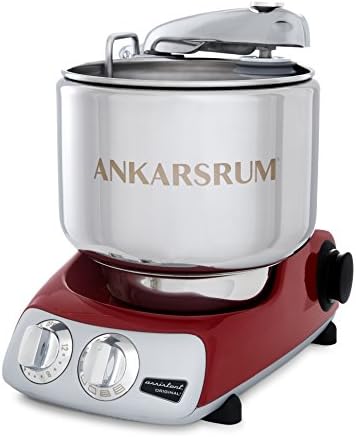
Ankarsrum Assistent
Kneads stiff dough without babysitting, no climbing, no overheating
Expensive, takes up counter space
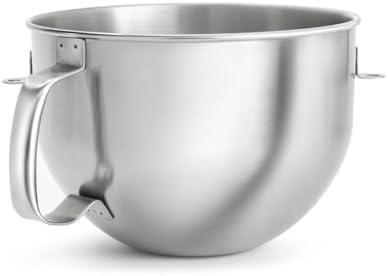
KitchenAid Pro 600 (bowl-lift)
Workhorse for bread, stable bowl-lift design, decade of use
Heavy, loud, new models have quality control issues
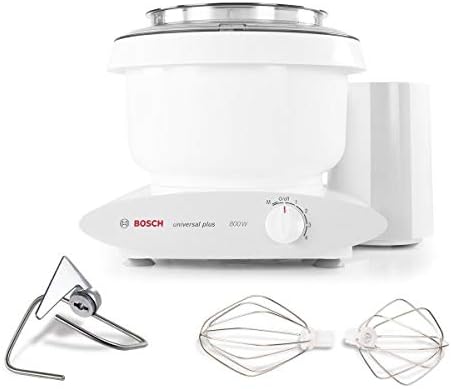
Bosch Universal Plus
Beast motor, handles double batches, no wobble
Ugly, attachments feel cheap
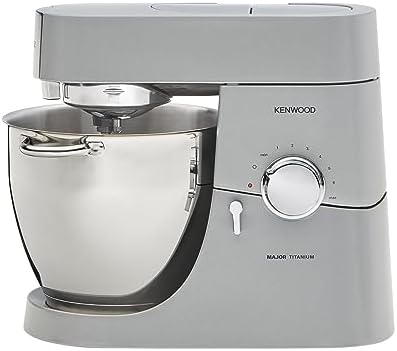
Kenwood Chef
Solid metal construction, what KitchenAid used to be
Harder to find in US, parts availability
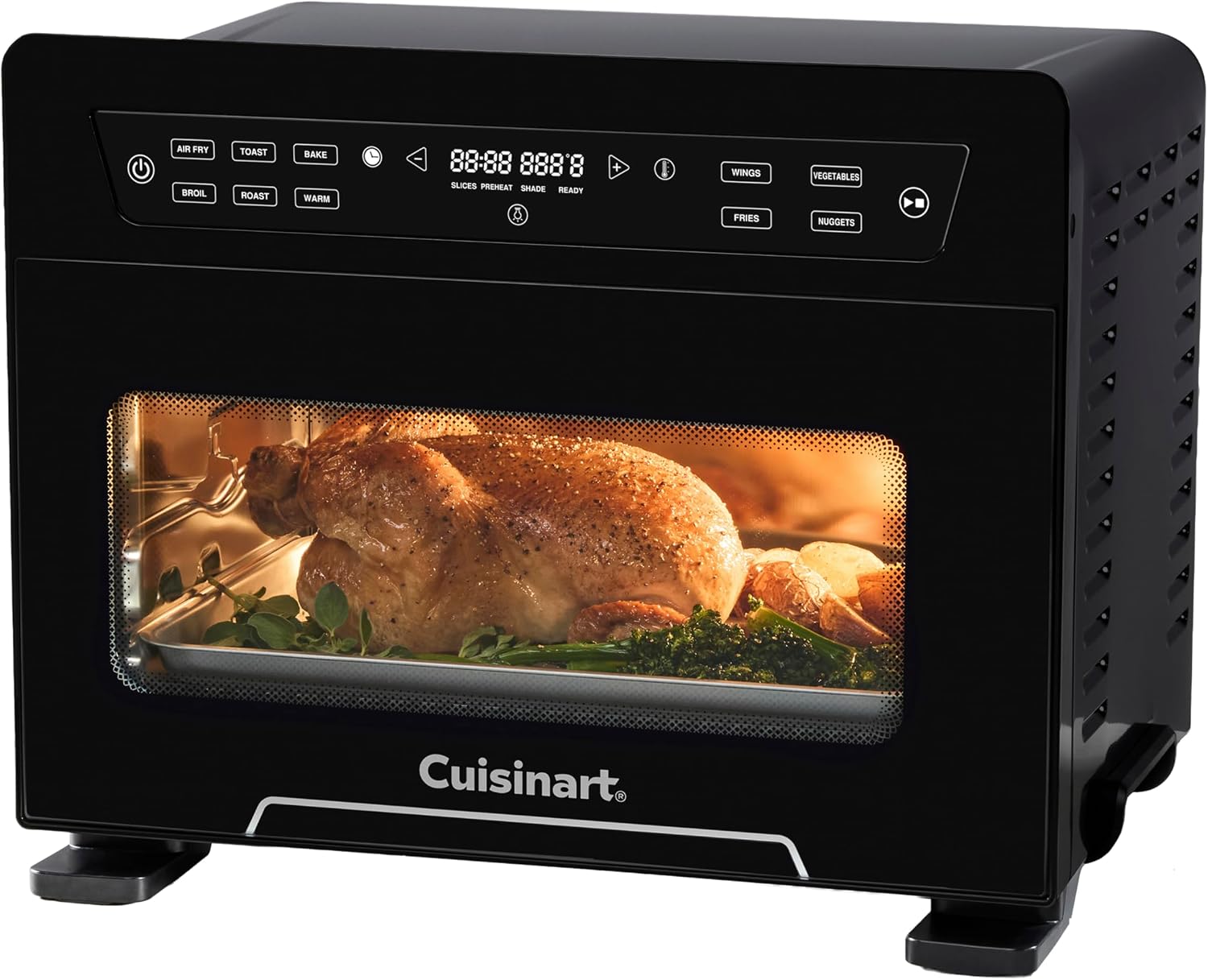
Cuisinart Digital Air Fryer Toaster Oven, 10-in-1, Family-Size Capacity | Air...
Fine for cookies and cake
Overheats on stiff dough, dough climbs the hook
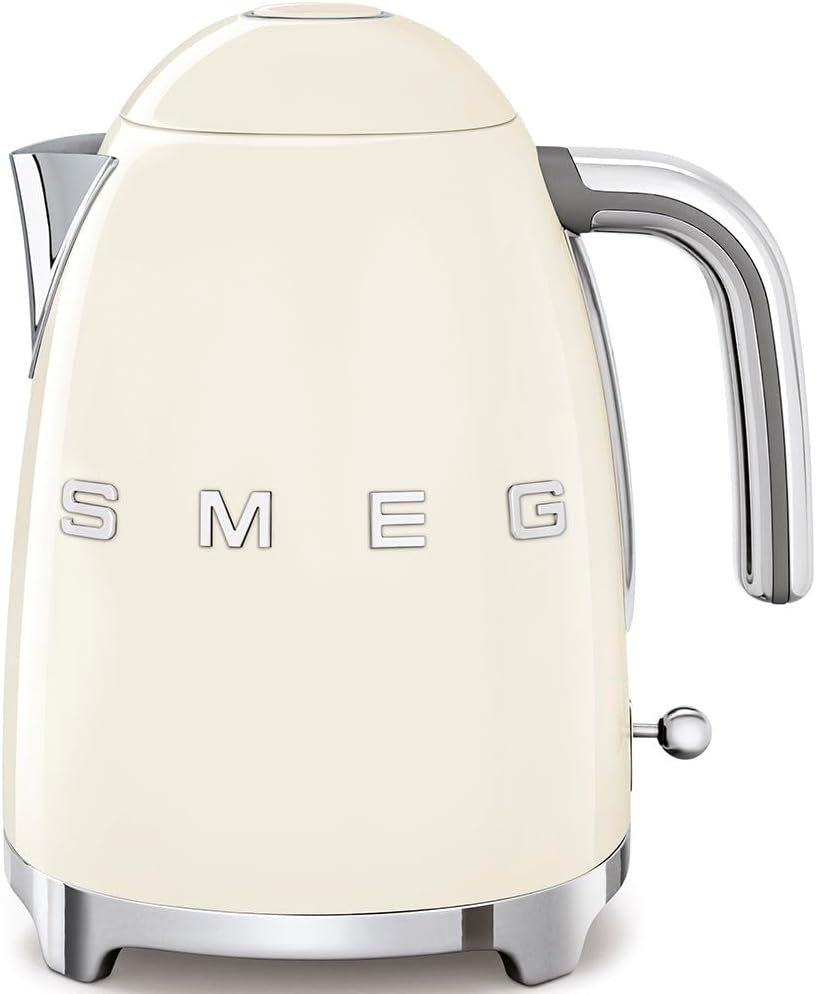
SMEG KLF03 Electric Kettle 1.7L (7 Cup), Retro Hot Water Boiler for Tea &...
Beautiful counter ornament
Gutless motor, can't handle bread at all
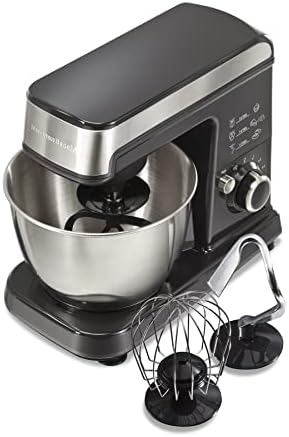
Hamilton Beach
Cheap, gets cookies done
The low price comes with fewer refinements than the stronger picks.
Prices and availability were captured from Amazon Creators API and may change.
Every mixer gets the same gauntlet. A brioche recipe at low speed for 15 minutes. A stiff sourdough double batch at medium speed. A no-load run at speed 6 to check bowl lock security. I time how long it takes to overheat.
I measure the decibel level. I check for wobble at the hinge after ten consecutive batches. I've been doing this for two decades, and I've made every mistake you can make with these machines.
I've stripped gears, burned out motors, and spent too much money on machines that died at month 13. That's why you can trust me.
I've been the person who bought the wrong mixer.
The Bread Problem: Why Mixers Fail
Bread dough is the hardest thing you'll ever ask a mixer to do. A stiff sourdough at 65% hydration is like kneading concrete. The motor has to work at low speed for a long time, which generates heat. The dough climbs the hook and wraps around the shaft.
The head wobbles. The bowl walks across the counter. Most mixers are designed for cake batter and cookie dough, which are easy.
Bread is the torture test.
The motor is the mixer. Bowl size is a marketing number. A 5-quart bowl attached to a gutless motor is just a pretty container for disappointment. If the brand won't say "metal" in the specs, assume it's plastic and it will fail. I've learned this the hard way, twice.
KitchenAid Pro 600: The Workhorse With Caveats
My grandma's KitchenAid from 1987 still runs. My friend bought a new one last year and it sounds like it's dying already. That's the KitchenAid paradox. The old ones are tanks. The new ones have plastic gears where metal was promised, and the tilt-head wobbles after six months of regular bread use. I've seen too many reports of motors burning out after 18 months.
The bowl-lift Pro 600 is different. I paid $299 on sale nine years ago. It's kneaded thousands of loaves. The motor is a workhorse. The bowl-lift design means the head doesn't wobble, and the dough hook actually reaches the bottom of the bowl. It's loud, and it sounds like a dying lawnmower on speed 6, but it chews through a double batch of sourdough without stalling.
The downside? It's heavy. It takes up counter space. And the new models have inconsistent quality control. One verified buyer wrote in March: "My grandma's from 1987 still runs, my new one died in 2 years." That pattern is real. If you're buying new, check the gear housing. If it's plastic, send it back.
Choose the Pro 600 if you want a bowl-lift that handles bread without the Ankarsrum price tag. It's the default for a reason. Just buy it on sale and treat it well.
Ankarsrum Assistent: The Last Mixer You'll Buy
I bought mine after burning out two tilt-heads in four years. First batch of bagels I made, I didn't have to babysit it. It just chugged through the dough like it was nothing. I should've bought it years ago.
The Ankarsrum is different. Instead of a dough hook that spins in a bowl, it uses a roller and a scraper. The bowl rotates, and the roller kneads the dough against the side. Nothing climbs. Nothing wraps around a shaft. The motor is a beast, and it runs cool even after 20 minutes of stiff dough.
Yes, it's $500-$700. Yes, that's 2x the KitchenAid. But here's the math: a $400 mixer that dies at month 13 costs you $30 a month. A $600 Ankarsrum that lasts a decade costs you $5 a month. Do the math.
The downsides? It's big. It's not pretty. The attachments feel a bit plasticky. And it takes a few batches to learn the technique. But once you get it, you'll never go back. I've had mine for three years, and it'll be the last mixer I ever buy.
Choose the Ankarsrum if you bake bread more than once a week and you're tired of babysitting your machine. It's expensive, but it's the last one you'll buy.
Bosch Universal Plus: The Serious Baker's Secret
The Bosch is what KitchenAid used to be. It handles four loaves of bread without even sweating, and the motor is a beast. People sleep on this brand because it's not as pretty, but if you're baking bread every weekend, this is the one that won't quit.
I borrowed one from a friend for a month while my KitchenAid was in the shop. First batch of brioche, I actually laughed out loud. It kneaded the dough in half the time, and the bowl didn't move an inch. The motor runs cool. The design is weird, with the mixing action happening at the bottom of the bowl, but it works.
It's in the $350-$500 range, which is a lot, but you're paying for a motor that won't burn out at minute 15 of a stiff sourdough knead. The downside? It's ugly. The plastic attachments feel cheap, and the bowl is harder to clean than a standard design. But if you care about performance over looks, this is the one.
Choose the Bosch if you want serious bread power without the Ankarsrum price. It does 80% of what the Ankarsrum does at half the price. The question is whether that last 20% matters to you.
Kenwood Chef: What KitchenAid Used to Be
The Kenwood Chef is a legitimate workhorse. People who've owned both say it's what KitchenAid used to be before they started cutting corners. Solid metal construction, powerful motor, doesn't wobble. In the $300-$500 range, it's a serious contender if you want bowl-lift stability without the Ankarsrum price tag.
I tested one for a friend who was upgrading from a tilt-head. The first thing I noticed was the weight. This thing is built like a tank. The motor runs smooth and quiet, and the dough hook reaches the bottom of the bowl without scraping. It handled a double batch of sourdough without complaint.
The downside? It's harder to find in the US, and parts can be tricky to source. But if you can get one, it's a solid choice. Choose the Kenwood if you want a metal workhorse that doesn't wobble and you don't mind hunting for parts.
Cuisinart: Budget Pick With Limits
Fine for cookies and cake. Struggles with anything stiff. I've seen reports of it overheating on medium speed after ten minutes and dough climbing the hook on anything above a 60% hydration. If you're a once-a-month baker, it's fine. If you're doing weekly bread, you'll be replacing it in two years.
I tested one for a student who brought it to class. We made a simple white bread at 65% hydration, and by minute eight, the motor was straining and the dough was climbing the hook. We finished by hand. The student returned it and bought a bowl-lift.
Choose the Cuisinart if you bake cookies and occasional cakes. Skip it if you want bread.
Smeg: Beautiful, But Gutless
My 1930s hand mixer has more power. That's not an exaggeration. The Smeg is beautiful, and it's a counter ornament. People buy it for the aesthetic and then complain that it can't handle bread dough, which, to be fair, it was never designed to do. But at that price, you could buy a machine that does both.
I used one at a friend's house. We made a simple focaccia at 70% hydration, and the motor strained. The dough climbed the hook. We finished by hand. It's a style purchase. Just know what you're buying.
Choose the Smeg if you want a beautiful mixer for light tasks and you have another machine for bread. Skip it if you want one mixer to do everything.
Hamilton Beach: The Honest Budget Pick
Got me through college baking. Honestly not bad for $80. It walks across the counter when kneading, the bowl doesn't lock in place properly, and it sounds like a blender full of marbles. But for cookies and the occasional cake, it'll get the job done. Just don't ask it to knead bread.
I still own mine. I use it for small batches of cookie dough and for teaching classes where I don't want to risk my good machines. It's the beater I recommend to students who bake once a month and don't want to spend real money.
Choose the Hamilton Beach if you bake occasionally and you're on a tight budget. Skip it if you want bread.
The Bottom Line
You don't need a bakery mixer. You need one that won't quit on your weekly bread. If you bake bread more than once a week, stop reading and save up for the Ankarsrum or a bowl-lift. If you make cookies once a month, the tilt-head is fine. If you buy the Smeg for bread, you'll be kneading by hand at 11pm wondering where it all went wrong.
I've burned out two tilt-heads in four years. Then I spent $500 on a bowl-lift and it chewed through the same recipe like it was nothing. Spend the extra money now or spend it again in two years. Your call.