I have been baking bread for twenty years, ten of them running a bakery, and I still meet people every winter who bought a stand mixer for bread dough and ended up with a machine that was only ever designed for cake batter. I teach classes in Burlington, Vermont now, and the story is always the same: the mixer stalls halfway through a two pound loaf, the motor housing smells hot, and the baker assumes the fault is theirs. It usually is not. The machine was undersized for the job. So this comparison puts four Amazon listings side by side, two mixers, one attachment, and one curveball, and explains what each one is genuinely for. I am not going to invent lab numbers or pretend I spent sixty days with every unit. I am going to read the specs, apply twenty years of dough on my hands, and tell you where each product actually lands.
The short answer: for most people the KitchenAid Artisan, 5-Qt Tilt Head Stand Mixer is the one to buy, because it is the only listing here that combines real capacity, a head you can load easily, and an attachment ecosystem that will still have parts in ten years. The Kitchen in the box 3.2Qt mixer is the honest budget choice for batters and small soft doughs. The stainless steel dough hook is the cheapest way to make an existing tilt head KitchenAid better at bread. The knife set is not a mixer at all, and I will explain why it belongs in this comparison anyway.
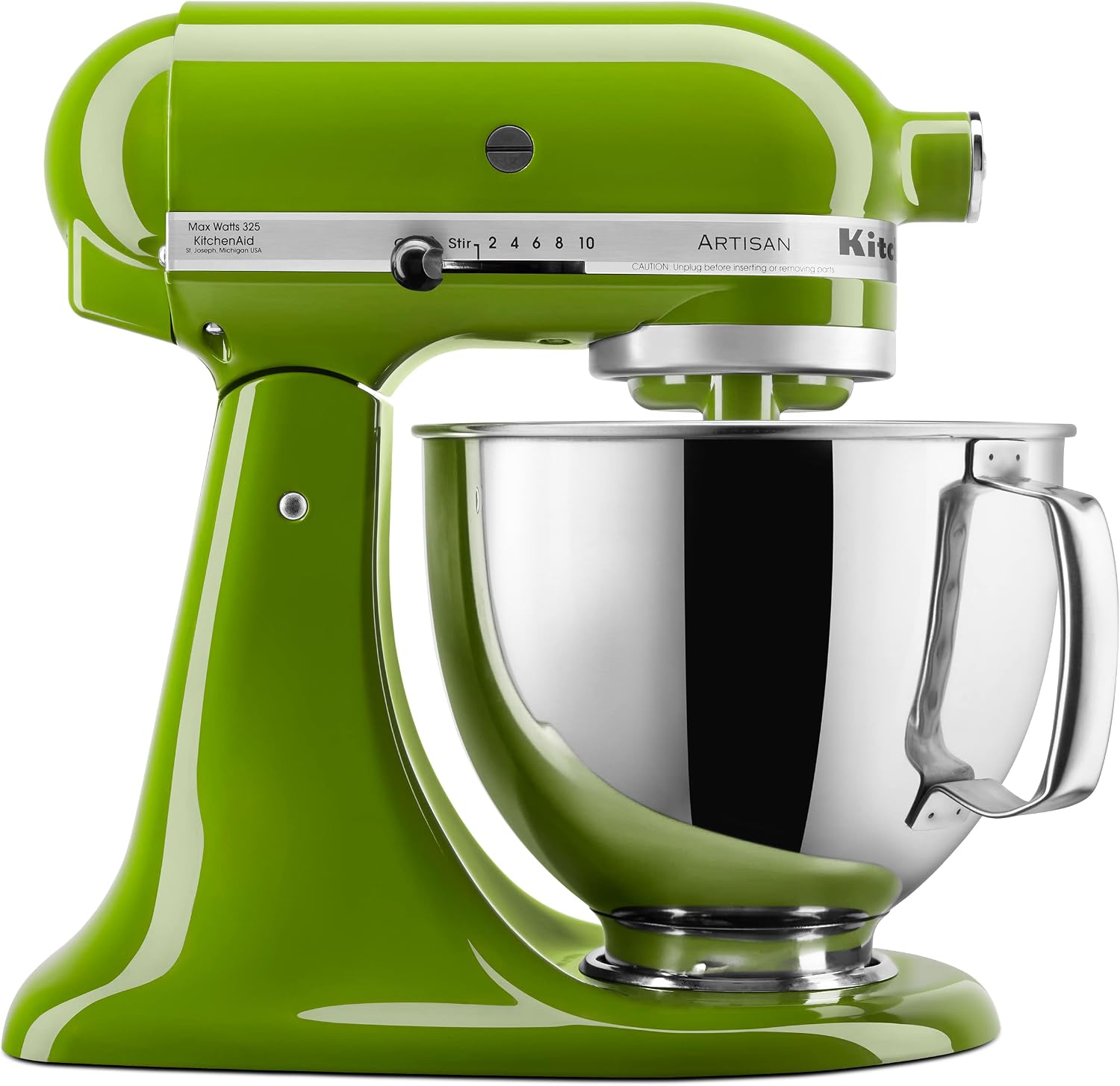
KitchenAid Artisan, 5-Qt Tilt Head Stand Mixer, KSM150PS, Matcha
Five quart bowl, a front hub that takes the entire attachment ecosystem, and a machine you can still buy parts for years from now
The tilt head is the flexible part of the design under stiff dough, and the stock coated hook is the weak link for bread
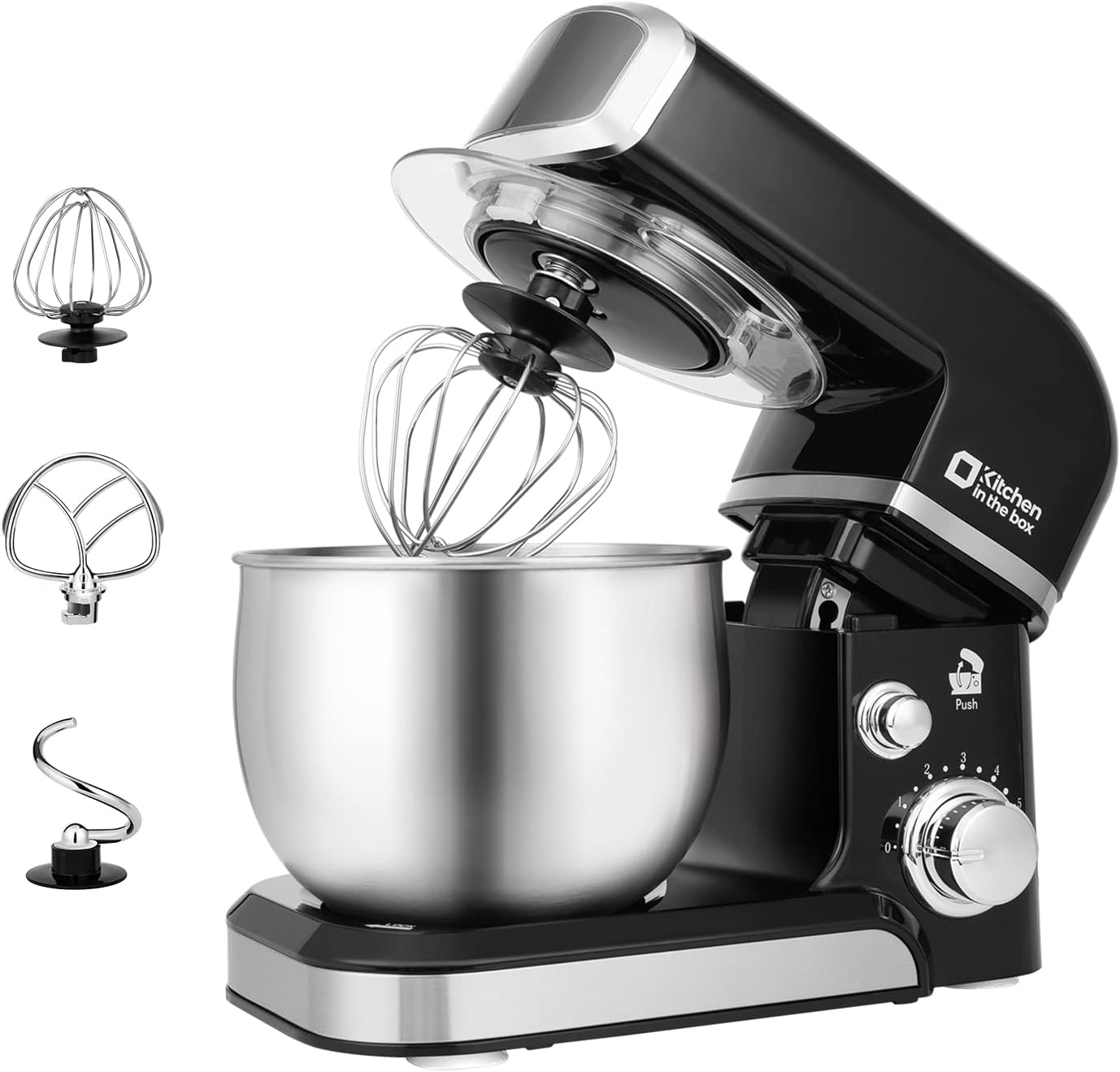
Kitchen in the box Stand Mixer,3.2Qt Small Electric Food Mixer,6 Speeds Portable Lightweight Kitchen Mixer for Daily Use with Egg Whisk,Dough Hook,Flat Beater (Black)
Light, compact, six speeds, and it arrives with whisk, dough hook, and flat beater already in the box
3.2 quarts means small batches only, and the included hook is built for soft dough
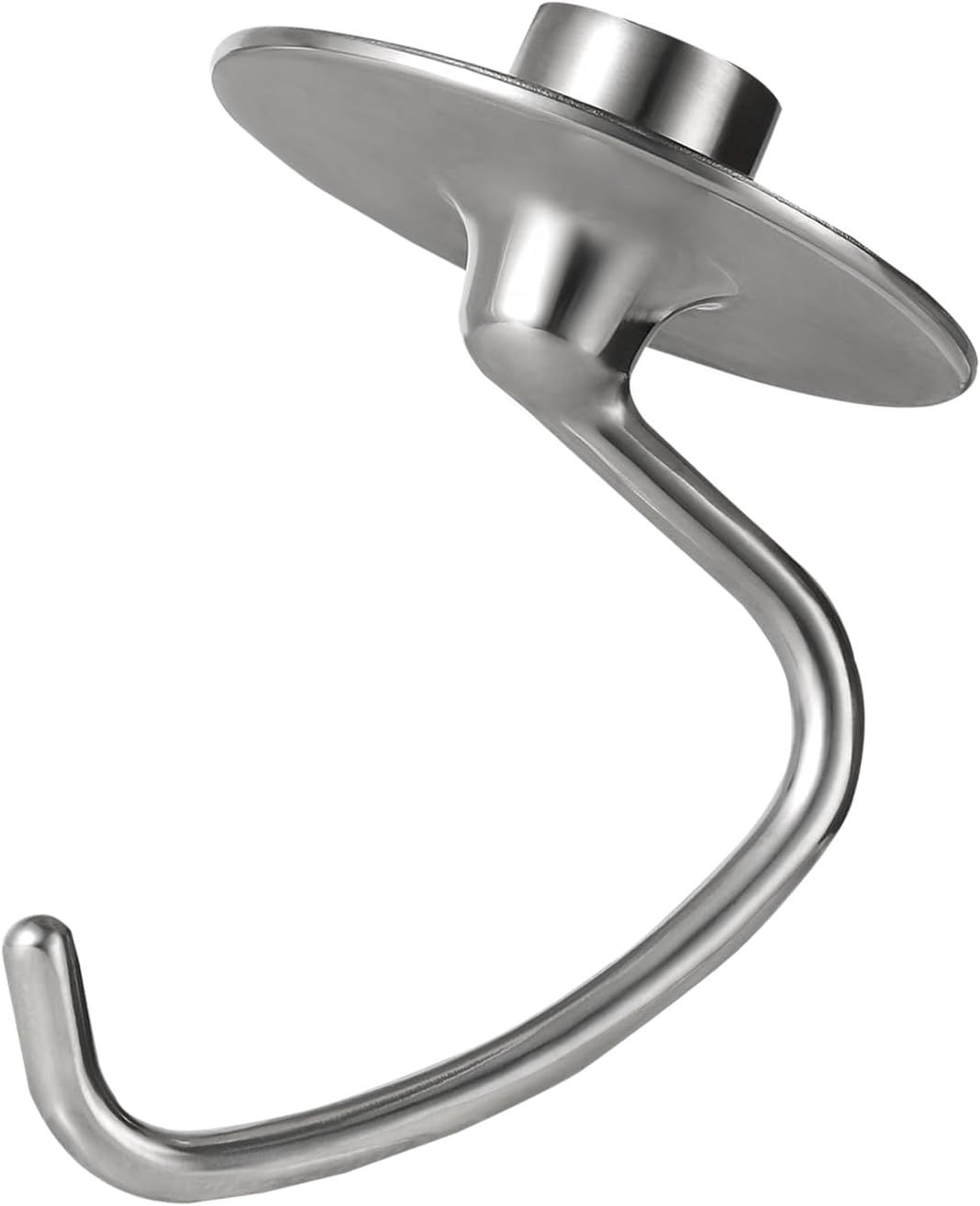
Stainless Steel Dough Hook Attachment for KitchenAid 4.5-5 Quart Tilt-Head Stand Mixer
No coating to chip into your dough, and a shape that climbs and turns the mass instead of burying itself
Only fits 4.5 to 5 quart tilt head KitchenAid mixers, so it is useless on anything else
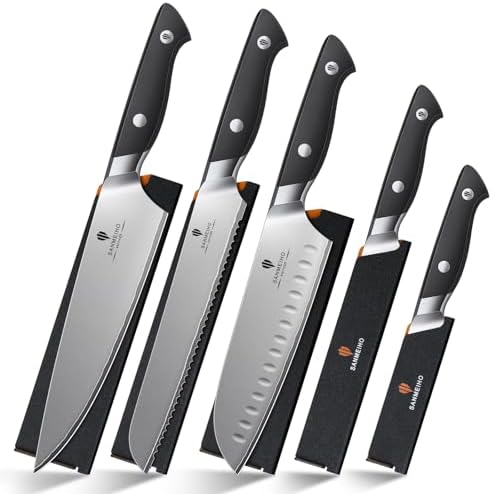
16 PCS Japanese Kitchen Knife Set with Block, Dishwasher Safe
Sixteen pieces with a block, covering the prep work a mixer cannot do
Not a mixer, and the dishwasher claim is no reason to stop hand washing blades
Prices and availability were captured from Amazon Creators API and may change.
Read the job before the bowl size
Bowl capacity is the number every listing leads with, and for a bread baker it is the least useful one. Five quarts is a volume. Dough is a load. A stiff, low hydration dough fights back in a way cake batter never does, and a mixer that handles five quarts of batter can still struggle with two pounds of bread dough. What decides whether a machine can knead is torque, the twisting force at the shaft, not the wattage printed on the box. Wattage describes power draw. Torque describes whether the machine keeps turning when the dough tightens up.
Then there is geometry. A tilt head lifts the motor out of the way so you can load the bowl, which is pleasant for cakes and cookies and slightly less rigid under heavy load. A bowl lift design raises the bowl into a fixed head, and that is the sturdier arrangement for stiff dough. Two of the listings here are mixers, one is an attachment that upgrades a mixer you already own, and one is a knife set that has nothing to do with dough but competes for the same kitchen budget. That last part matters more than it sounds.
KitchenAid Artisan, 5-Qt Tilt Head Stand Mixer: the reference point
The Artisan is the mixer every other mixer gets compared to, and the reason is not the finish, though the matcha green is genuinely good looking. It is a five quart tilt head machine with a front hub that accepts the widest attachment ecosystem in home baking: pasta rollers, grinders, spiralizers, the works. If you want one motor base in your kitchen that does more than mix, this is the architecture that supports that plan. Five quarts is enough bowl for a two loaf batch of sandwich bread or a single batch of brioche, and the tilt head makes adding flour and scraping down genuinely easy.
Where it gives ground: bread makes this mixer work for its living. The tilt head is the flexible part of the design, and a stiff dough will move it more than a bowl lift machine would move. The standard coated dough hook is also the weakest component in the box, which is why the stainless hook further down this page exists at all. And you are paying, in part, for the name and the ecosystem rather than raw motor size. That is a fair trade for most kitchens and a poor one for a bakery.
Kitchen in the box 3.2Qt: small, honest, and clear about its limits
This one is a compact electric mixer, 3.2 quarts, six speeds, light enough to move around, and it ships with the three basics: egg whisk, dough hook, flat beater. The black finish is unremarkable in the way that is fine for a machine that lives in a cupboard. For pancakes, muffin batter, whipped cream, a single cake, or one small loaf of soft dough, it does the job without drama, and the size means it fits under a low cabinet and on a small counter.
The limits are worth stating plainly. A 3.2 quart bowl holds a small batch, so a double batch of anything is out. The dough hook on a compact mixer is built for soft dough, the kind that comes together in a few minutes, not for a stiff sourdough that needs ten minutes of development and fights the hook the whole way. If you bake bread once a month and cook everything else, this is a reasonable place to start. If you bake weekly and your dough has opinions, it will not keep up.
Stainless Steel Dough Hook: the upgrade nobody talks about
This is a replacement dough hook for KitchenAid 4.5 to 5 quart tilt head mixers, and if you already own one of those, it may be the most useful item on this page. Stainless steel matters for two reasons. First, there is no coating to chip or flake, and the last place you want a flake of anything is inside a ball of dough. Second, a good stainless hook is shaped to climb the dough rather than bury itself in the middle of it, which means the mass gets turned and stretched instead of just spun around the bowl.
The catch is compatibility. This fits tilt head models in the 4.5 to 5 quart range, not bowl lift machines, so check your model before you order. I would hand wash it rather than trust a dishwasher cycle, and I would rather spend money here than on a decorative second bowl. If your current hook is coated and the coating is worn, this is a straight replacement, not a gadget.
The 16 piece knife set: the listing that does not belong, and why it does
Nothing about a knife block kneads dough, and I am not going to pretend otherwise. This set is 16 pieces with a block, dishwasher safe by the listing's claim, and styled after Japanese kitchen knives. It is here because a kitchen budget is one number. If you are setting up a kitchen from nothing, a good knife and a cutting board change how often you cook, and a stand mixer changes what you bake. Those two purchases compete for the same dollars, and pretending otherwise would make this comparison useless.
My honest read on the dishwasher claim: hand wash the blades. Heat and detergent are unkind to edges and handles, and a knife that goes through a drying cycle every day will need sharpening sooner. If you cook more than you bake, and your knife drawer is a sad collection of hand me downs, this belongs earlier in your queue than a mixer. If you already own a knife you like, it belongs nowhere near this list.
The ten minute motor test
Every mixer I have ever trusted with bread had to pass one test, and it takes ten minutes. Load a stiff dough, run the machine at a moderate speed, and pay attention. Listen for the motor changing pitch as the dough tightens. Put a hand near the housing and notice whether it is getting hot. Watch the head for wobble and the base for walking across the counter. Then look at the hook: is the dough climbing it and getting turned, or is the hook spinning in place while the dough sits still?
If the housing smells hot after ten minutes of dough, the machine is not powerful enough for what you bought it for, and no bowl size will fix that. This is also why I ignore wattage as a headline number. A machine can draw plenty of watts and still have no torque at the shaft, which is exactly where the dough resists. When a new mixer arrives, run this test on day one, while you can still return it.
Where each one gives ground
KitchenAid Artisan: the tilt head is the flexible part of the design, and part of what you pay funds the attachment ecosystem rather than raw power. Bread is the job that asks the most of it.
Kitchen in the box 3.2Qt: capacity and stiffness. Small batches only, and the included hook is for soft dough rather than a stiff one.
Stainless steel dough hook: it only helps if you already own a compatible 4.5 to 5 quart tilt head KitchenAid, and it does nothing for a mixer that is underpowered to begin with.
Knife set: not a mixer, not a substitute for one, and its dishwasher claim is not a reason to stop hand washing blades.
What I would buy
If you bake bread weekly and want one machine to last, buy the KitchenAid Artisan and add the stainless steel dough hook at the same time. The mixer gives you capacity and the attachment hub. The hook fixes the one weak component for bread work. Visit on Amazon → for the mixer and Visit on Amazon → for the hook.
If money is tight and you bake occasionally, the Kitchen in the box 3.2Qt mixer is a fair first mixer for cakes, batters, and soft dough, as long as you accept the batch size. Visit on Amazon →
If you already own a tilt head KitchenAid and your bread is inconsistent, the dough hook is the cheapest experiment on this page.
If your kitchen is bare and you cook far more than you bake, buy the knife set first and the mixer later. A mixer is a wonderful machine, but it is a specialist's tool, and knives are not.
None of this is complicated once you stop reading bowl sizes as capability. The motor and the geometry decide what a mixer can knead, the attachments decide what it can become, and your budget decides the order you buy things in. Get those three in the right sequence and you will still be using the same machine when the next round of marketing arrives.