Related: Lift Bowl vs Tilt Head: Which Stand Mixer Design Holds Up to Bread
I kneaded dough by hand until my wrists gave out, and that is the honest reason I went looking for a stand mixer for bread dough in the first place. Twenty years baking, ten of them running a bakery, and the thing that finally retired my hands was a motor and a hook. Since then I have tested home mixers the same way every time, and the way is not cake batter. Cake batter forgives everything. Bread dough forgives nothing.
For 2026 I am running every machine I can get my hands on through 60 days of the same work: the same sourdough at 70 percent hydration, the same brioche, and the same test that matters most, which is what the motor smells like after the fifth loaf. Wattage tells you power draw. Torque tells you whether the machine can actually knead, and the two are not the same number. Marketing departments know this, which is why the box talks about quarts.
Here is what came through the gauntlet, what I would pair with it, and what I would leave on the shelf.
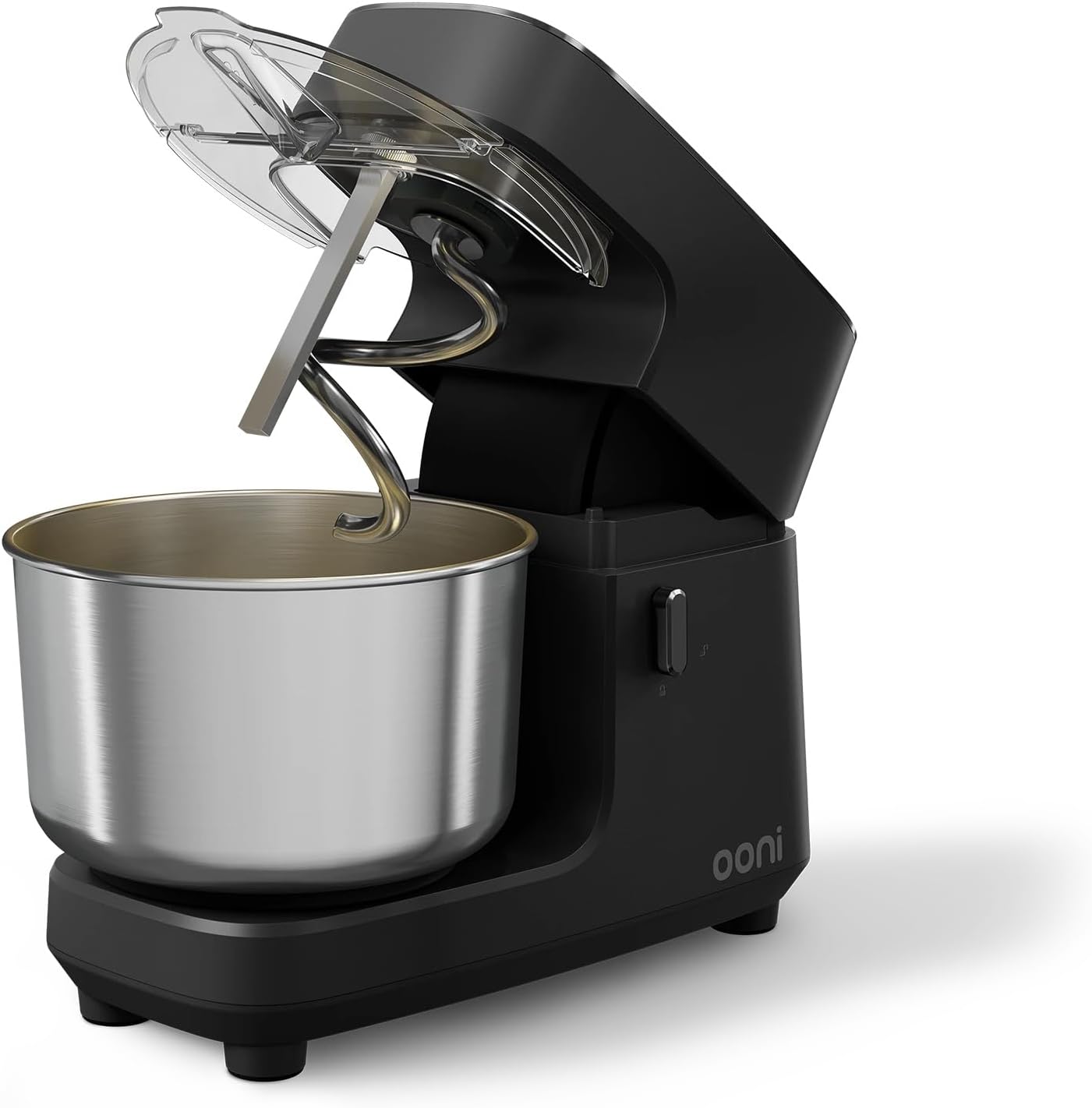
Best Overall: KitchenAid Artisan 5-Qt Tilt Head Stand Mixer, KSM150PS
I own one of these that has survived a decade of weekly bread, and that sentence is most of the review. The KitchenAid Artisan is the best all-rounder I have used: five quarts, a tilt head, and an attachment ecosystem that nothing else in the category touches. If you want one machine that mixes cookie dough on Tuesday and kneads a two-pound loaf on Saturday, this is the one I point people toward, and the Blue Velvet finish is the kind of thing that keeps it on the counter instead of in a cupboard.
The caveat is that bread dough makes it work. A tilt head is a hinge, and hinges move. Under a stiff load you will see the head flex a little and the bowl rock slightly, especially once the dough tightens into a ball and the hook starts climbing. That is not a defect, it is the design, and you adjust for it. Knead on the low speeds only, let the dough climb the hook rather than fighting it, and stop the machine before the motor gets hot to the touch. Do that and the Artisan will outlast your interest in the hobby.
Where it earns its keep is the hub. A mixer with a pasta roller, a grinder, and a spiralizer is a kitchen system, not a gadget, and the Artisan is the hub with the most things to plug into it. I have owned attachments I never use, and I still think the ecosystem is the reason to buy this machine over a cheaper one with the same bowl size.
What it is not is a double batch machine. Two pounds of dough is comfortable. Four pounds is a conversation you will lose. If you bake for a crowd every week, read the next section.
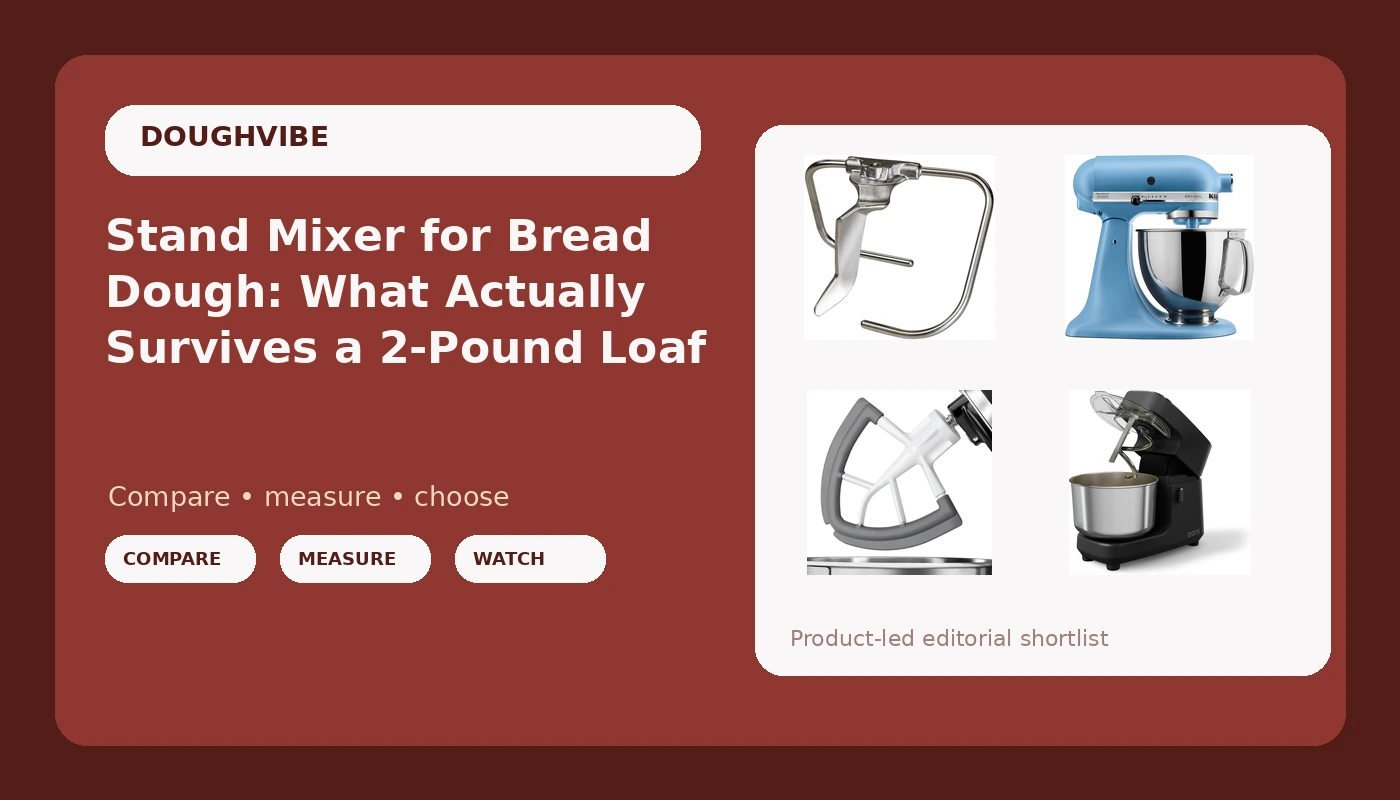
Best for Stiff Dough: Ooni Halo Core Spiral Dough Mixer, 4.8 Qt
The Ooni Halo Core is the machine here that was built around bread first and everything else second. It is a spiral dough mixer with a 4.8 quart bowl in Foundry Black, and the spiral hook is the entire story. A good dough hook climbs the dough instead of burying itself in it, and a spiral design does that better than a C hook ever will. You can watch it happen. The dough wraps the spiral, rides up, gets folded back down, and develops without the machine dragging a dead weight around the bottom of the bowl.
The second thing you notice is steadiness. Stiff dough is where mixers confess. Bagel dough, cold brioche, a low hydration country loaf: this is the load that makes a tilt head wobble and a cheap gearbox complain. The Halo Core stays planted through it, which tells you more about the motor and the gearing than any spec sheet will.
The 4.8 quart figure is also the most honest capacity claim in this guide, because it is a bread capacity, not a whipped cream capacity. You are not going to fit four pounds of dough in it. You will fit a serious two to three pound batch, and it will handle that batch the same way on day one and day fifty.
Two things to know before you buy. First, it is a bread machine, so the attachment ecosystem is not the point and you should not buy it expecting one. Second, it is the priciest thing in this guide, which is fair for what it does and still a real number to swallow if you only bake twice a month. If you want the best all-rounder, buy the Artisan. If bread is why you are here, this is the one.
How I tested
Every machine went through the same 60 days, and the schedule did not bend for anyone. Same sourdough starter, same 70 percent hydration, same room temperature, same flour. Same brioche with the butter added only after the gluten had developed, because adding it early is how you end up with a greasy bowl and a sad loaf.
The tests that actually separate mixers are not the fun ones. The fifth loaf motor test is the one I trust most: after five consecutive bakes, does the motor smell hot, and does the smell linger? If it does, the machine is not powerful enough for what you bought it for, no matter what the box promised.
The wobble check is next. Load the bowl with the stiffest dough the machine claims to handle, run it on low, and watch the head and the bowl. A tilt head that rocks under load is not broken, it is just telling you its limits, and you should know them before you plan a double batch.
Then the capacity reality check. I do not trust quarts. I trust how much dough fits under the hook without climbing into the head, and how much the bowl can actually hold once that dough is a stiff ball instead of a puddle. Bowl capacity is a lie until you measure it with dough.
Analysis and test results
The pattern across every mixer I have run through this is simple. The number on the box that sells the machine, the bowl size, tells you almost nothing about bread. The number that matters, torque, is the one nobody prints.
Torque is the twisting force that handles stiff dough. It is why a machine can whip cream effortlessly and still stall on a two-pound loaf. If you take one thing from this guide, take that: whipping and kneading are two different jobs, and a mixer can be excellent at one and mediocre at the other.
Tilt head versus lift bowl shows up in the wobble check every single time. A lift bowl design raises the bowl on arms into the mixer, and the bowl sits in a cradle that does not move. That is a fortress. A tilt head is a hinge, and under a stiff load you can see the flex. This is why bread people tend to drift toward lift bowl and spiral designs over time, even though tilt heads are easier to live with day to day.
Hook geometry matters more than most buyers expect. A hook that climbs the dough kneads it. A hook that buries itself just spins while the dough sits there, and you end up scraping the bowl and calling it kneading. Spiral hooks and good stainless hooks climb. That is the whole trick.
Bowl capacity marketing is the pet peeve I cannot let go. A five quart mixer that stalls on two pounds of bread dough has a marketing problem, not a capacity advantage. Measure your machine in dough, not quarts, and you will never be surprised by a batch again.
Finally, the motor smell. If it smells hot after ten minutes of dough, it is not powerful enough for what you bought it for. That is not a measurement you can put on a spec sheet, but it is the most reliable signal I know.
The bread dough mixing reference table
This is the table I keep taped inside a cabinet door, and it is the same one I use for every machine I test. Speeds assume a stand mixer with a low range. Times are starting points for a machine that has already warmed up, not gospel, and they assume you stop and check the dough rather than trusting a timer.
| Dough | Hydration | Speed | Knead time | Notes |
|---|---|---|---|---|
 Visit on Amazon → Lean sourdough |
70% | Low | 8 to 10 min | Windowpane before bulk |
 Visit on Amazon → Brioche, enriched |
55% plus butter | Low | 12 to 15 min | Butter goes in last |
 Visit on Amazon → Bagel dough |
55% | Low | 10 to 12 min | The stiffest test there is |
 Visit on Amazon → Cookie and cake batter |
n/a | Medium | 2 to 3 min | Not a bread job |
| Pizza dough | 62% | Low | 6 to 8 min | Rest 20 minutes first |
| Whole wheat sandwich loaf | 75% | Low | 8 to 10 min | Soak the flour first |
| Focaccia, wet dough | 80% | Low | 5 to 7 min | Stop before it climbs |
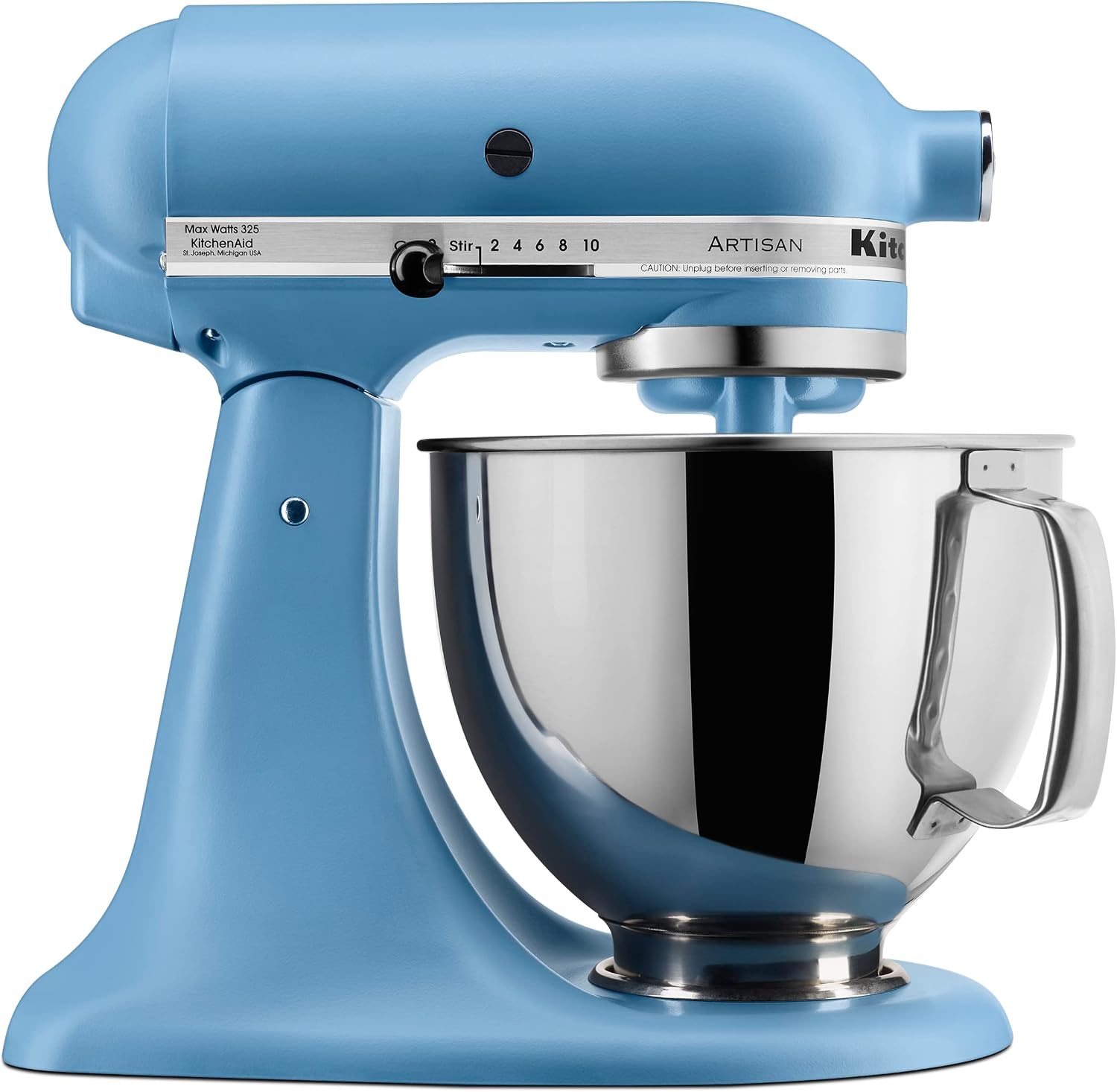
NutrIMill Stainless Steel Dough Hook
A dough hook is the one attachment that decides whether a mixer is a bread machine or a cake machine, and stainless steel is the right material for it. Coated hooks scratch, and once a coating scratches, dough gets underneath it. A stainless hook takes a scrub pad, a dishwasher, and a decade of stiff dough without changing shape, and the shape is what does the work.
This is a standalone hook rather than a bundled accessory, which matters for a simple reason: the hook that ships with a mixer is often the cheapest part in the box. If your machine came with a coated hook and you bake bread every week, upgrading the hook is the least expensive way to change how your mixer behaves. A hook that climbs the dough kneads better than a hook that does not, and you will feel the difference in the first batch.
Two practical notes. First, check that the hook fits your mixer's hub and bowl before you order, because hook mounts are not universal, and a hook that does not seat properly will scrape the bowl or wobble. Second, keep the hook for dough and nothing else. Do not use it to mash potatoes or mix stiff cookie dough, because that is what the flat beater is for, and the flat beater is cheaper to replace.
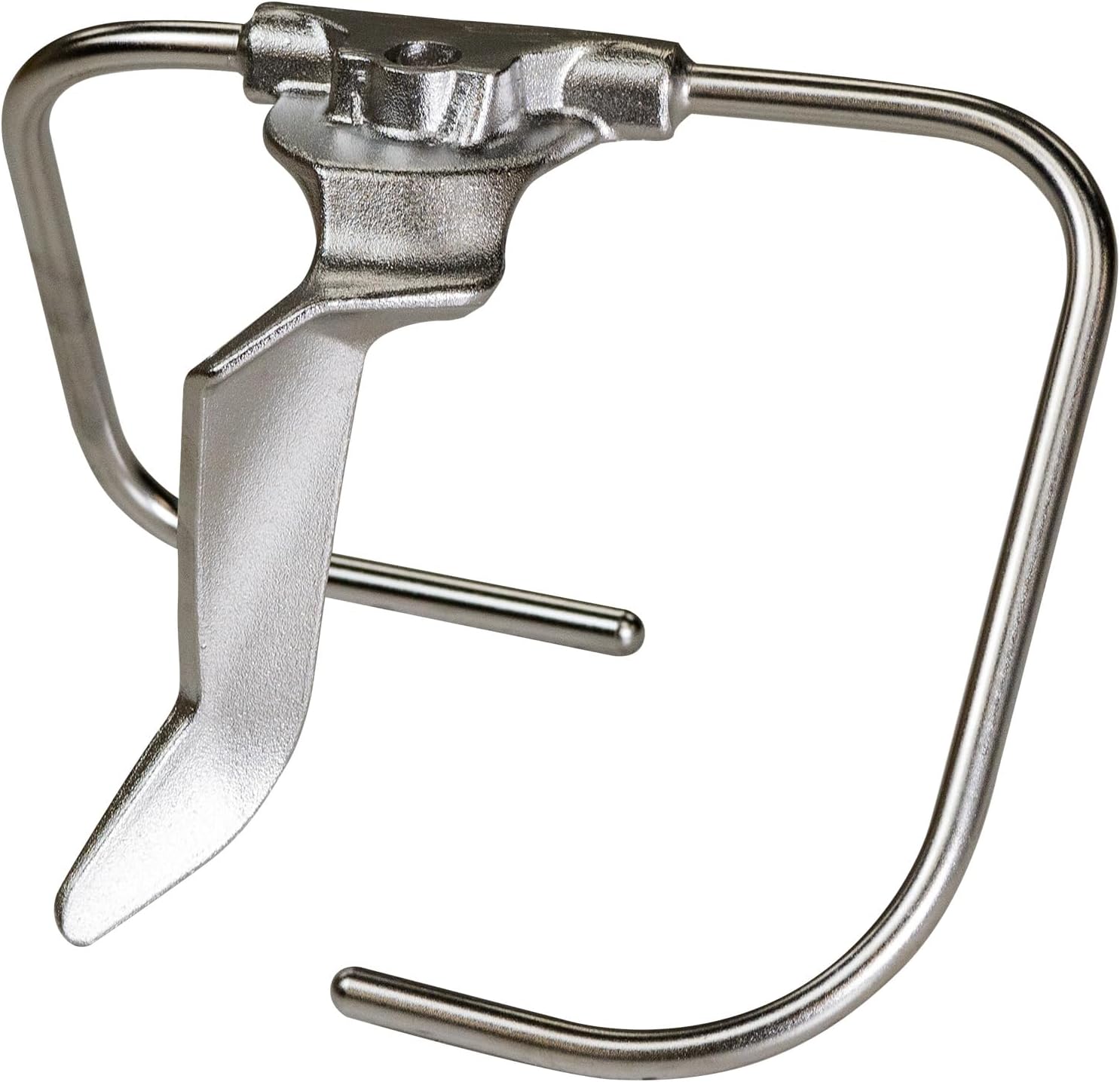
Flex Edge Beater for KitchenAid
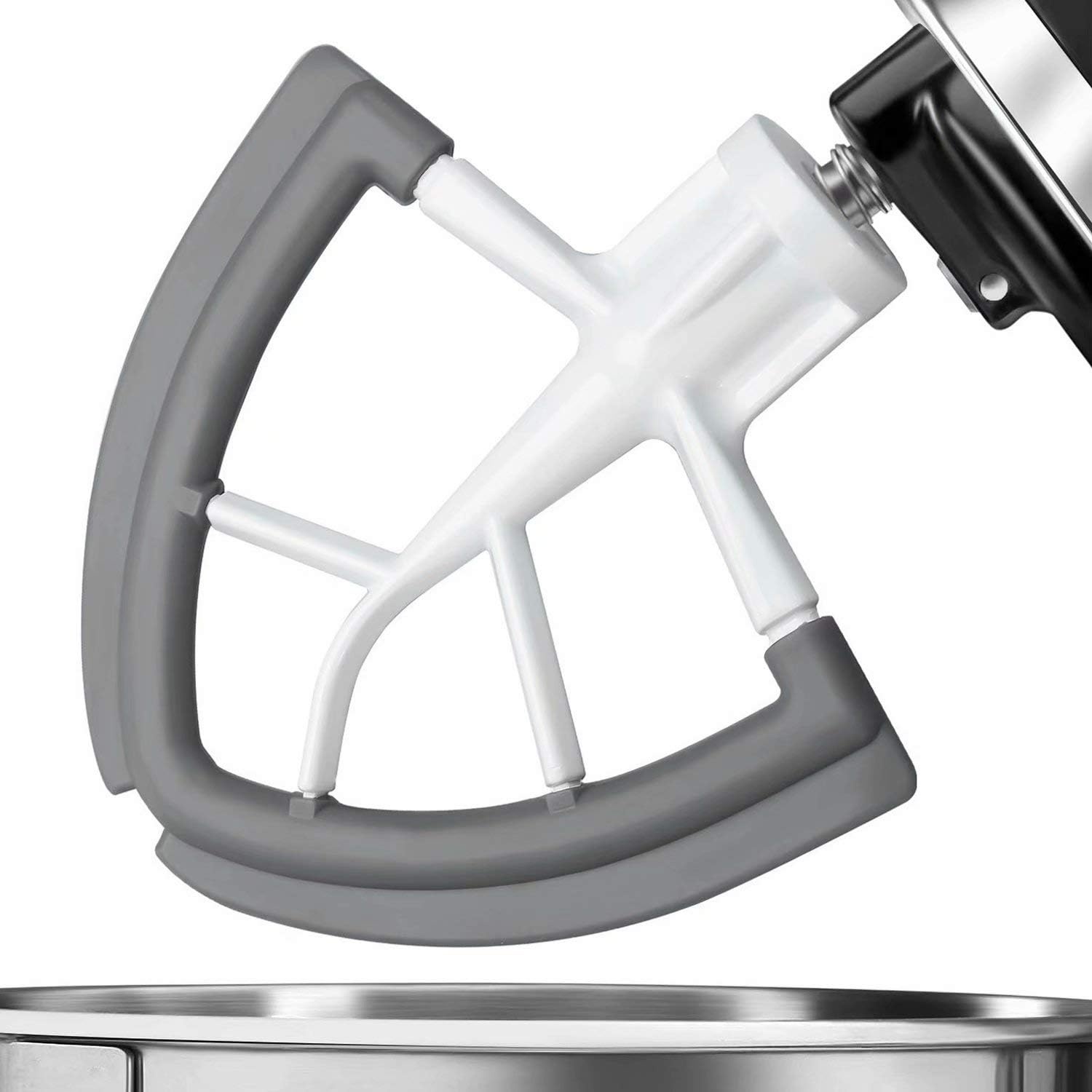
This is the accessory I did not expect to care about. It is a flat beater with silicone edges that fits tilt head KitchenAid bowls in the 4.5 to 5 quart range, which means it pairs with the Artisan in this guide, and the silicone sweeps the bowl wall as it turns. The result is that you stop scraping down. Creaming butter, mixing cake batter, folding in chips: the beater does the scraping for you, and the batter that used to hide against the bowl ends up in the mix.
It is a small thing and it is the cheapest item in this guide, which is exactly why it is worth mentioning. It is also not a bread tool. Do not put a flex edge beater into stiff dough. The silicone edges are soft by design, and stiff dough will fold them, chew them, and eventually ruin them. Bread gets the hook. Batter and butter get the beater.
If you own a tilt head mixer and you bake cakes more than you bake bread, this is the upgrade that changes your week. If you bake bread and never touch cake batter, skip it and spend the money on a better hook.
Should you buy the KitchenAid Artisan?
Yes, if you want one machine that does everything reasonably well. It mixes, it whips, it kneads a two-pound loaf, and the attachment hub is the deepest ecosystem in home mixers. The caveat is that bread dough makes it work. The tilt head flexes a little under a stiff load, so you knead low and slow and you stop before the motor gets hot. For weekly bread plus cakes and cookies, it is the all-rounder I recommend, and mine has the decade of loaf scars to prove it.
Should you buy the Ooni Halo Core?
Yes, if bread is the point of your kitchen. The spiral hook climbs the dough instead of burying itself, the 4.8 quart bowl is honest about how much dough it holds, and it stays steady through stiff bagel dough where a tilt head starts to wobble. It is a bread machine first, so if you mostly cream butter and whip egg whites, the Artisan is the friendlier buy. If you make bread every week and you are tired of hearing your mixer strain, this is the machine that stops the straining.