Related: Best Stand Mixer Attachments Worth Owning
A stand mixer for bread dough has exactly one job: take a stiff, shaggy mass and turn it into something smooth and elastic without stalling, smoking, or walking across the counter. Everything else, the beater, the whisk, the color, is a bonus. I have baked for a living for twenty years, ran a bakery for ten of those years, and now I teach bread classes and test home equipment. My wrists gave out long before my curiosity did, and that is how I ended up convinced the stand mixer is the best thing to happen to bread since the oven.
When someone asks me which mixer to buy, I ask two questions back. How stiff is your dough, and how often do you make it? A person who bakes sandwich loaves on Sundays and a person who pushes 80 percent hydration sourdough twice a week need different machines, even though both are technically buying a stand mixer.
The four products in this guide are not four versions of the same purchase. Two are mixers. Two are accessories that only make sense once you already own a mixer and already know you are going to keep baking. I will take them in that order, and I will tell you which ones I would spend my own money on again.
Best Overall: KitchenAid Artisan
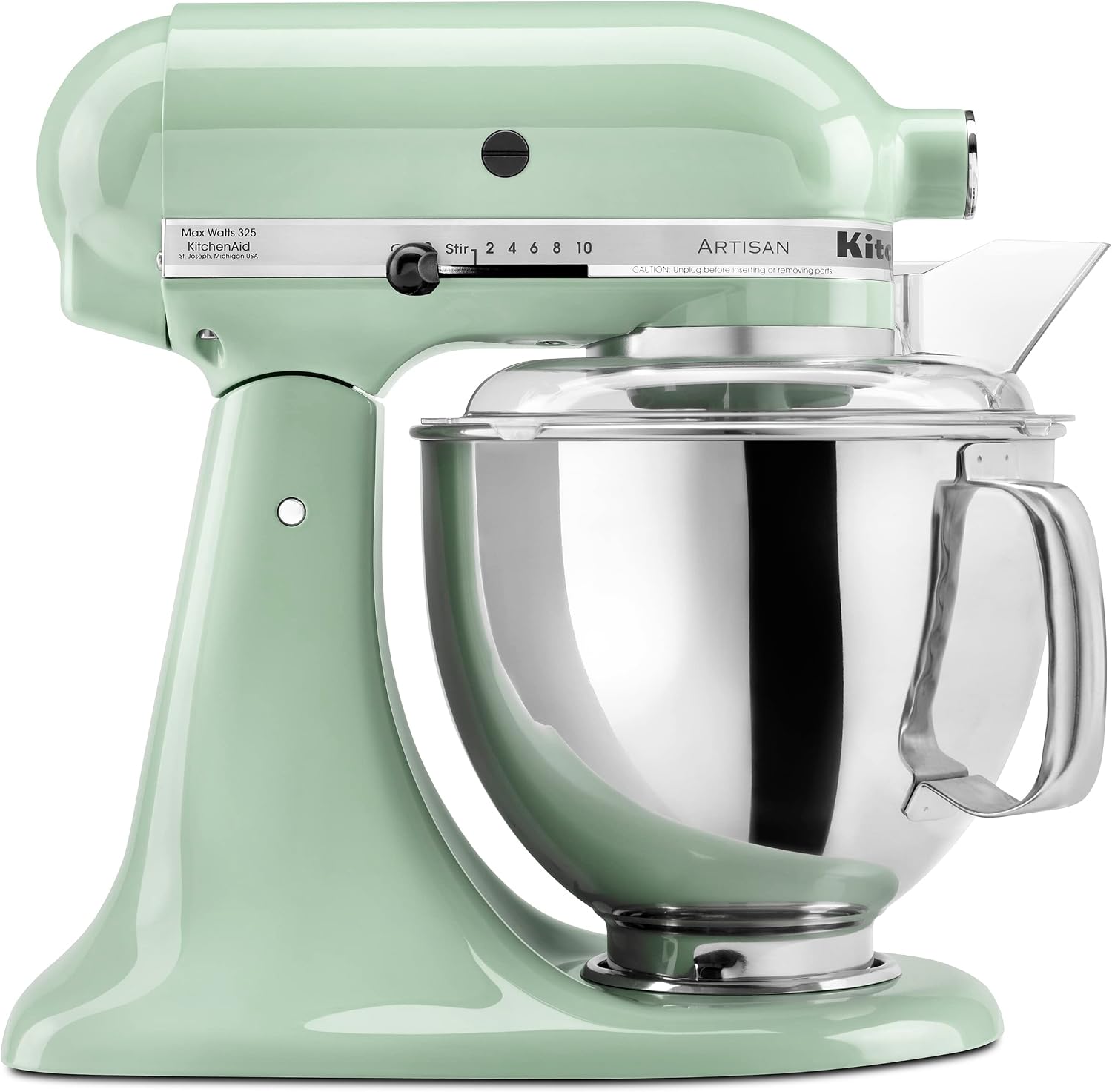
The KitchenAid Artisan is the mixer I recommend to almost everyone, and it is the one I would buy again if mine vanished tomorrow. Five quarts, tilt head, and an attachment ecosystem that nothing else in this price range touches. That ecosystem is the real reason to buy it. A mixer with a hub is a kitchen system, not a gadget, and once you own the hub you can add a pasta roller in October and a grinder next spring without buying another motor.
Here is the part I will not pretend about: bread dough makes this machine work. A two pound loaf at 70 percent hydration sits at the top of what the Artisan enjoys, and you can hear the motor change pitch as the dough tightens up and the hook starts climbing. My rule is simple. Run it for ten minutes on a stiff dough and then put your face near the head. If the motor smells hot, you have found the machine's ceiling, and you should size your batches accordingly. Mine has never died on weekly bread, but I have absolutely made it sweat.
The tilt head is the other honest tradeoff. Under a heavy dough a tilt head has more flex than a lift bowl design, and if you are a bread first baker, a lift bowl is the sturdier layout. I still keep the Artisan on the counter because most of what I bake in a week is not a two pound brick of dough. It is cake batter, cookie dough, a buttercream that needs eight minutes of whipping, and a brioche that needs a long, patient mix. For that mix of jobs, the Artisan is the best all-rounder you can buy.
One warning about the bundle. I own three attachments I have used twice, and the tunnel of accessories can cost more than the mixer itself. Buy the hub, then buy the one attachment you actually have a use for.
Best Budget: Cuisinart SM-50R
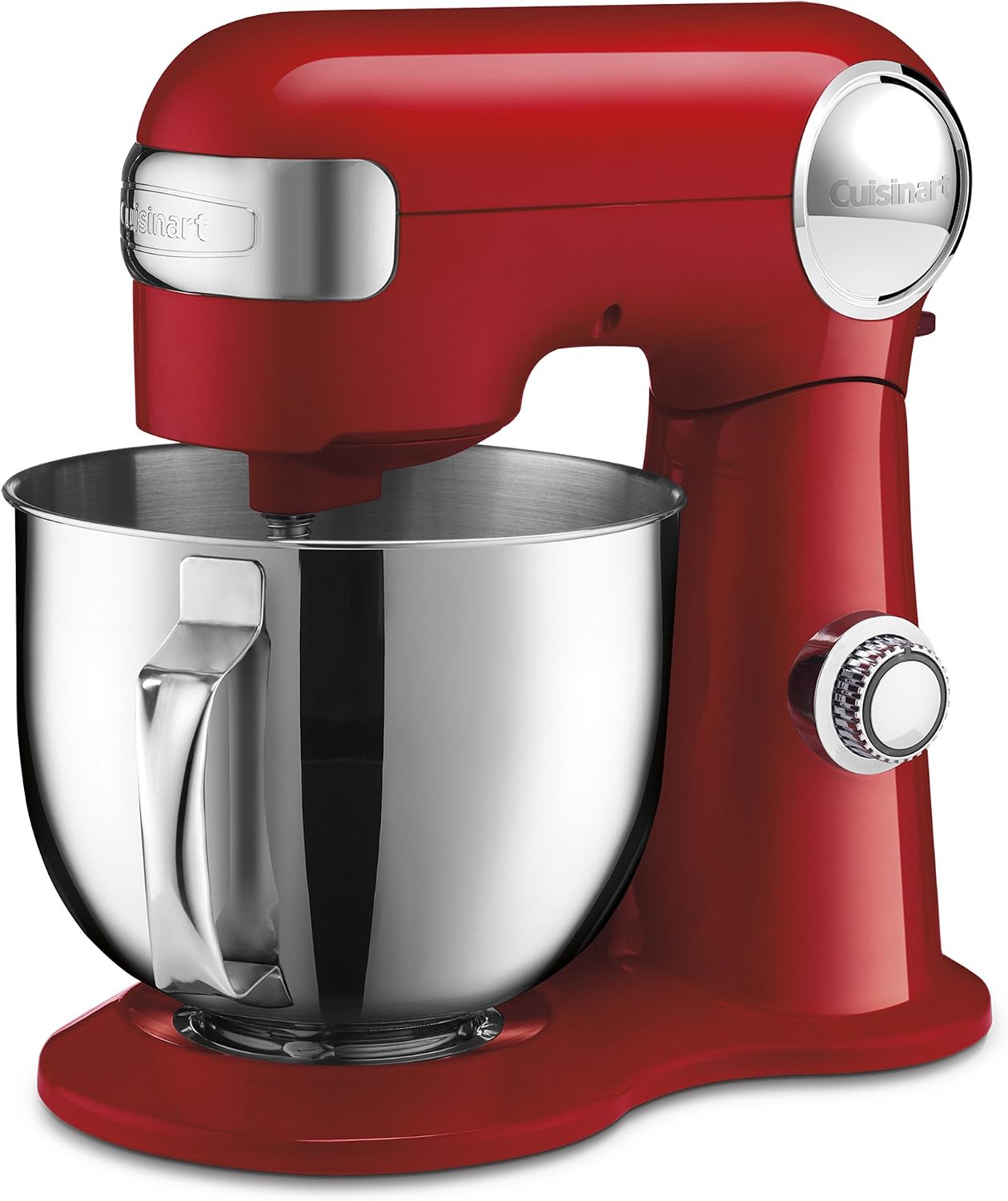
The Cuisinart SM-50R is my budget pick, and the reason is boring and good: it mixes, it kneads, and it will not die in year two. It comes with a 5.5 quart stainless steel bowl, a chef's whisk, a mixing paddle, a dough hook, and a splash guard with a pour spout, and it does not pretend to be anything other than a stand mixer that works.
Twelve speeds is more granularity than any baker needs, but the low end is where you will live for bread, and having a genuine slow start matters when you are bringing flour into a wet dough. The splash guard with the pour spout is one of those small features that you do not appreciate until you have added warm water to a dry mix and worn half of it. It is a real convenience, not a marketing bullet.
Where it falls short is the long term relationship. The attachments are basic, and this is not a kitchen system in the way the KitchenAid is. You are buying a mixer, not an ecosystem, so if you have plans for a pasta roller and a meat grinder down the road, this is the wrong branch of the decision tree. If your plan is a bowl, a hook, and a loaf every week, it is a lot of mixer for the money.
The bigger bowl is worth noting, since 5.5 quarts beats 5 quarts on paper. Bowl capacity is a lie in general, of course. A 5 quart mixer that stalls on two pounds of bread dough has a marketing problem, not a capacity. But the Cuisinart's bowl does give you a little more room to work, and room is what you run out of first when you are folding nuts or chocolate into a stiff dough.
The accessory tier: a mill and a spare hook
FERRODAY Malted Grain Mill
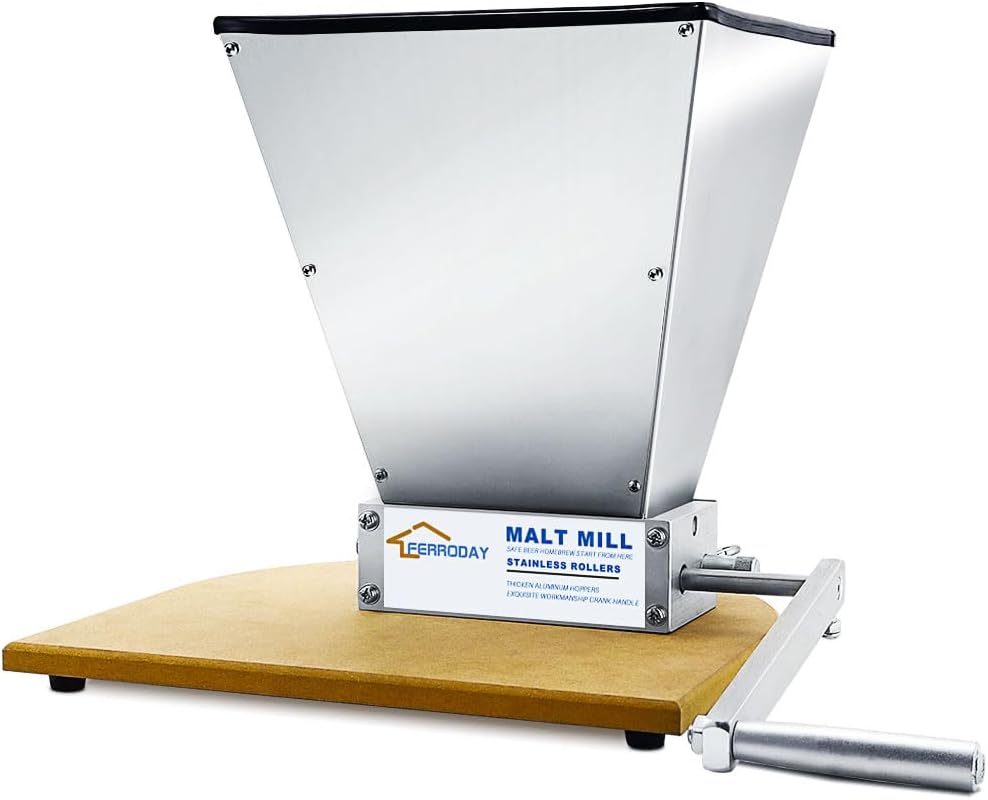
The FERRODAY is a two roller stainless steel mill for grain, malt, and barley. It is not a mixer and it does not compete with one, but it belongs in this conversation because the people who care most about dough development are usually the same people who eventually want to control the grain itself.
Here is the honest framing. A mill is a second hobby. Milling your own grain means sourcing grain, storing grain, dialing in a gap, and accepting that your flour is now a variable you manage instead of a bag you open. The two roller stainless design is the common configuration for home milling at this scale, and the adjustability is the reason. If you buy malt or grain by the sack and you want to crack it yourself, this is the tool for that job at a fraction of what a full flour setup costs.
If you are not there yet, skip it. A mill that sits on a shelf does not make better bread, and I would rather see that money go into a stronger mixer first. Buy the motor before you buy the mill.
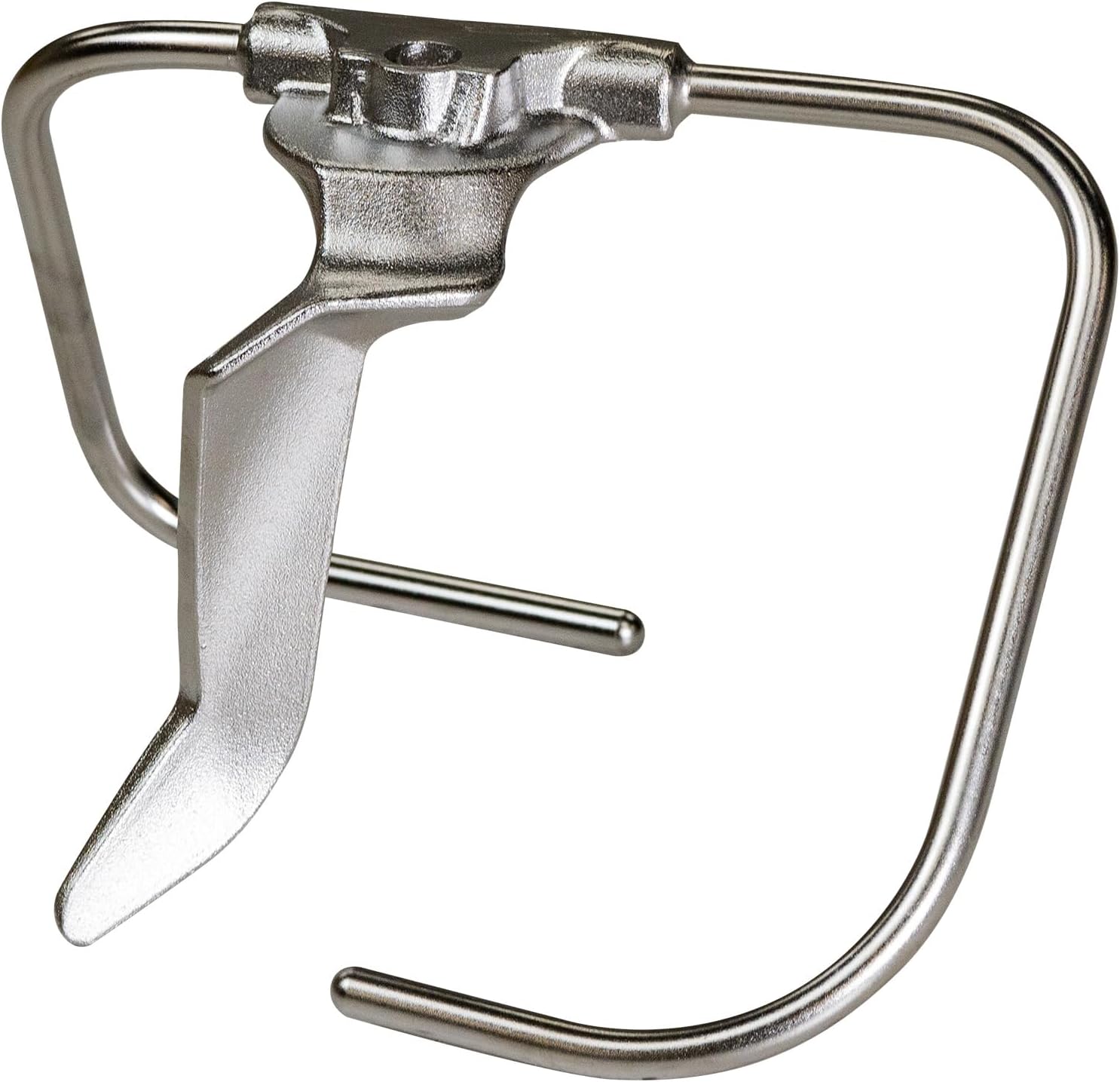
NutrIMill Stainless Steel Dough Hook
The dough hook is the part that actually kneads, and it gets treated like an afterthought. A good hook climbs the dough instead of burying itself in the middle of it, which is the difference between dough that develops and dough that spins in place while the motor heats up. The NutrIMill stainless steel hook is a replacement part, not an upgrade, and that is the right way to think about it. Check the fit for your specific mixer model before you order, because hook mounts are not universal.
If your hook is bent, or has lost its shape after years of stiff dough, spend the small money instead of shopping for a whole new mixer. A worn hook will make a good motor look weak, and I have watched people blame a machine for a problem that a ten dollar part caused. That is the whole case for keeping a spare around.
How I tested
The test is always the same, and it has been the same for years. Same sourdough, same brioche, same question at the fifth loaf: does the motor survive it. I run a batch, let the machine rest, then run another, because most home mixers fail on the second batch of the day, not the first.
Then the ten minute stiff dough check. Two pounds of low hydration dough into the bowl, mix it out, then get your face near the head and smell. If the motor smells hot, the machine is working past its comfort zone, and no amount of bowl capacity marketing changes that.
Then the wobble check, which is where tilt head designs separate. Watch the head under load. A little flex is normal. A head that rattles, hops, or makes the bowl ring is telling you something.
And then the boring part, which is the part that matters. I live with the machine. Cakes on Tuesday, bread on Sunday, a double batch when a class needs dough. Would I trust this thing with a decade of weekly baking. That is the only review that counts.
Analysis and test results
Two numbers run this category, and neither one is on the box the way it should be. Wattage tells you power draw. Torque tells you whether the machine can actually turn a stiff dough. A mixer can have a respectable wattage rating and still stall when a lean dough tightens up, because the number that matters is the twisting force at the hook, not the electricity going in.
Whipping and kneading are different jobs. A mixer that whips cream effortlessly can still stall on bread dough, and that is exactly the trap that catches first time buyers. If you plan to make bread, treat the whipping performance as a bonus and judge the machine on the stiff dough.
Bowl capacity is the other lie. Quarts measure the bowl, not the dough. A five quart mixer that stalls on two pounds of bread dough has a marketing problem, and you will discover it the first time you try a double batch. My advice is to size your mixer to the stiffest dough you actually make, not to the biggest bowl you can afford.
Lift bowl versus tilt head still matters for bread people. A lift bowl design is a fortress, with the bowl locked on arms that come up to meet the head. A tilt head is a wobbler, and under a heavy dough it flexes. That does not make a tilt head bad. It makes it a cake and cookie machine that also handles bread, which is precisely why I keep the Artisan around and reach for something sturdier when the dough gets serious.
Attachments decide the long term relationship, which is why the hub matters more than the base spec sheet. A mixer with a pasta roller is a kitchen system. A mixer with no hub is a mixer. Just do not buy the bundle. Buy the one attachment you have a use for and ignore the rest.
The stand mixer reference table
This is how I lay the four out when someone asks me to just tell them. Prices change constantly, so check before you buy.
| Product | Design | Bowl | Best for | Price |
|---|---|---|---|---|
 Visit on Amazon → Visit on Amazon →KitchenAid Artisan |
Tilt head | 5 quart | All-rounder, cakes through bread | $379.95 |
 Visit on Amazon → Visit on Amazon →Cuisinart SM-50R |
Tilt head | 5.5 quart | Budget pick, mixes and kneads | $216.65 |
 Visit on Amazon → Visit on Amazon →FERRODAY Malted Grain Mill |
Two roller stainless | Not a mixer | Milling grain and malt at home | $92.90 |
 Visit on Amazon → Visit on Amazon →NutrIMill Stainless Steel Dough Hook |
Stainless hook | Fits your mixer | Replacing a bent or worn hook | $94.95 |
The order in that table is the order I would buy them in, with one exception. If your current hook is bent, buy the hook first. It is the cheapest fix in this entire guide and it is the one most likely to make the mixer you already own feel new again.
Should you buy the KitchenAid Artisan?
Yes, if you want one mixer that handles cakes, cookies, and a weekly loaf without complaint. Five quarts, a tilt head, and the best attachment ecosystem in the category. Bread dough makes it work, and you will hear the motor change pitch as the dough tightens, but mine has survived a decade of weekly bread, and the hub means the machine can grow with you instead of being replaced.
Be honest about your dough, though. If you bake double batches, or your go-to loaf is a stiff, low hydration brick, a lift bowl design is the sturdier answer and a tilt head will always flex under that load. And do not buy the attachment bundle. Buy the hub and one attachment you will actually use.
Should you buy the Cuisinart SM-50R?
Yes, if budget matters and you mostly bake single batches. It mixes, it kneads, and it will not die in year two. The attachments are basic and it is not a kitchen system the way the KitchenAid is, but the bowl is a half quart bigger and the splash guard with a pour spout is genuinely useful on a wet dough day.
You are buying a mixer, not an ecosystem. If that is what you need, it is a lot of machine for the money. If you want the pasta roller and the grinder later, spend the difference now and get the hub.