
The Tilt-Head Was Never Built for Bread. I Have the Burned-Out Motor to Prove It.
Related: Best Stand Mixer for Bread Dough: Torque Is the Spec
Well, here's the thing about the whole "stand mixer for cookies vs bread" debate: it's not about the bowl size, the color, or the brand name stamped on the front. It's about the motor, and whether the machine can actually handle a stiff dough without sounding like it's about to launch itself into the neighbor's yard.
I'm Sam. I ran Blue Ribbon Bread Co. for a decade before my wrists gave out and I moved to teaching classes from my home kitchen in Portland. I've owned three mixers in the last eight years, and I've killed two of them on bagel dough.
My current workhorse is an Ankarsrum that I should have bought years ago, but I also keep a bowl-lift KitchenAid for cakes and cookies because sometimes you just want the paddle attachment.
The short version of this entire article: if you bake cookies, a tilt-head is fine. If you bake bread, you need a bowl-lift or something with a motor that can actually handle the job. Here's why, and here's what I've learned from the machines that died so you don't have to make the same mistake.
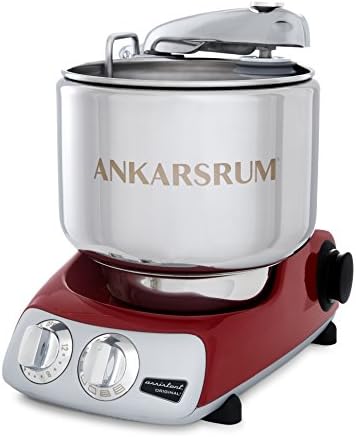
Ankarsrum Original
Chugs through double batches of stiff dough without breaking a sweat. The roller design means no...
Expensive. Way expensive. But it'll be the last mixer I ever buy.
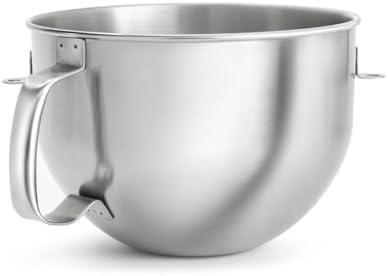
KitchenAid 6-Qt Bowl (Replacement)
Replacement bowl only, not a stand mixer. Not for dough.
The brand's quality control is inconsistent. Some die at month 13.
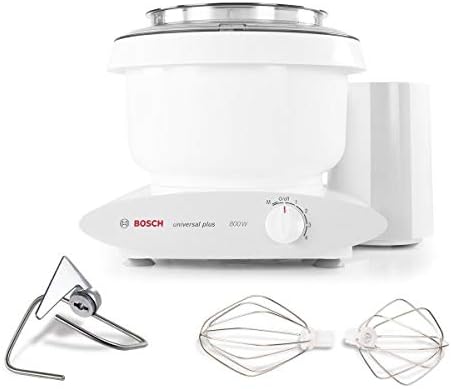
Bosch Universal Plus
A beast of a motor. Four loaves of bread without even sweating.
Ugly as sin. No one buys it for the aesthetic.
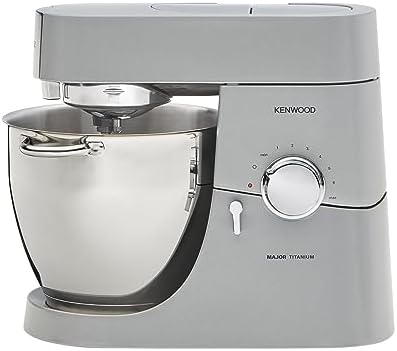
Kenwood Chef
Solid metal construction. What KitchenAid used to be before they started cutting corners.
Harder to find in US stores. Attachments are pricey.
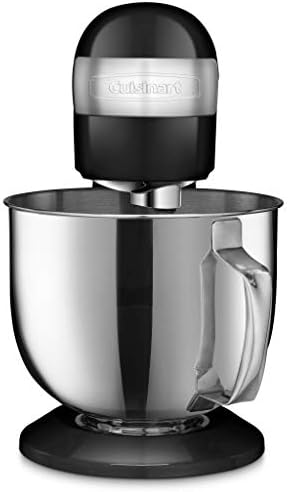
Cuisinart SM-50
Fine for cookies and cake. Decent price for a beginner.
Struggles with anything stiff. Overheats on medium speed after ten minutes.
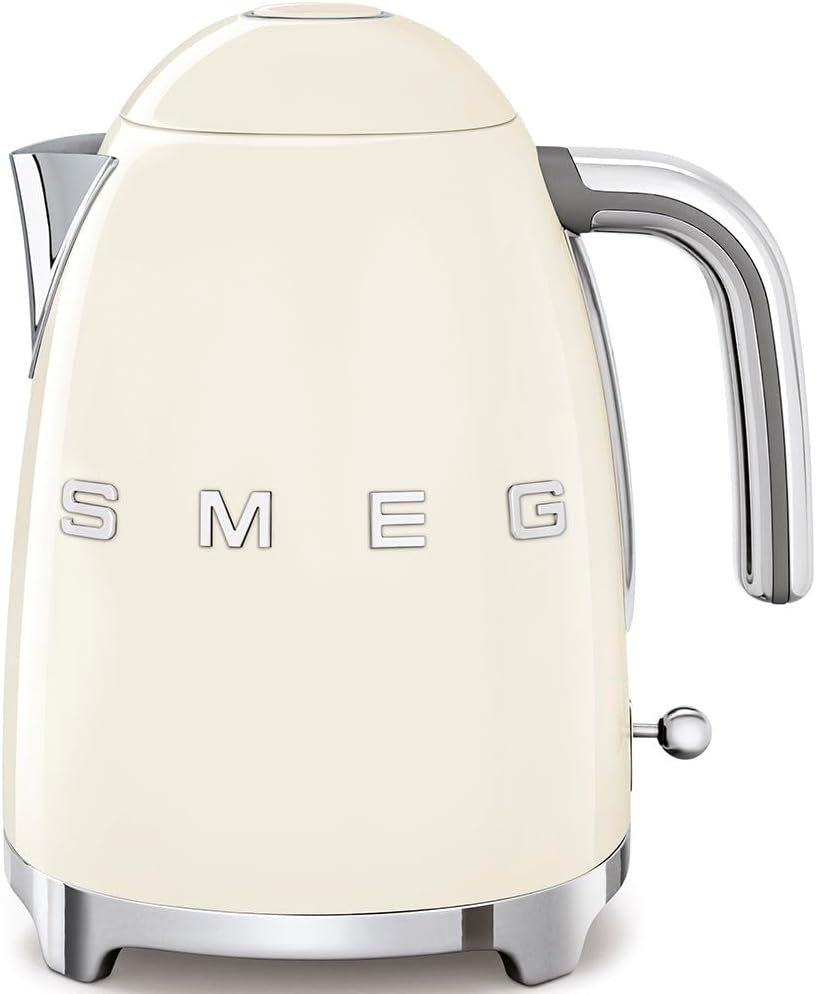
SMEG Electric Kettle KLF03
Beautiful. Genuinely a counter ornament.
Gutless. My 1930s hand mixer has more power.
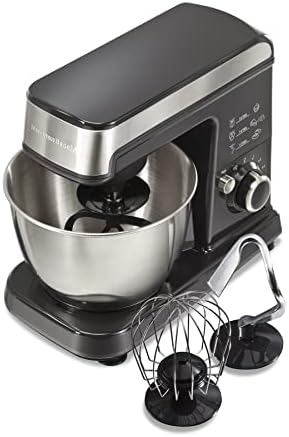
Hamilton Beach
Honest budget pick. Got me through college.
Walks across the counter. Sounds like a blender full of marbles.
Prices and availability were captured from Amazon Creators API and may change.
I burned out my first tilt-head KitchenAid on a double batch of bagels. It was a 4.5-quart Artisan, and it was fine for a year of cookies and birthday cakes. Then I tried to knead a stiff sourdough at medium speed, and at minute 14, the unmistakable smell of burning rubber filled my kitchen. The motor was done. Dead at 14 months, just past the 1-year warranty.
That's when I learned the first rule of stand mixers: the motor is the mixer. Bowl size is a marketing number. A 5-quart bowl attached to a gutless motor is just a pretty container for disappointment.
The tilt-head design is the problem. The head wobbles after six months of regular use, and the dough climbs the hook and wraps around the shaft. I've seen it happen to my own machine and to countless others in the forums.
It's not a design flaw, it's a design limitation. Tilt-heads are for cookies and cake. If you bake bread weekly, you need a bowl-lift or something with a motor that can actually handle stiff dough.
The Ankarsrum Changed Everything
I bought my Ankarsrum after burning out two tilt-heads in four years. The first batch of bagels I made, I didn't have to babysit it. It just chugged through the dough like it was nothing. No climbing, no walking across the counter, no overheating. I actually laughed out loud.
The roller and hook design is completely different from the traditional C-hook. The dough wraps around the roller and gets pressed against the side of the bowl, which kneads it more like a human hand than a hook spinning in a circle. It doesn't strain, it doesn't stall, and it doesn't climb.
Yes, it's $649. Yes, that's 2x the KitchenAid. But here's the math that matters: a $400 mixer that dies at month 13 costs you $30 a month. A $649 mixer that lasts a decade costs you $5.40 a month. Do the math.
My dog Mabel, a 65-pound golden retriever, has learned to leave the kitchen when I turn on the noisy ones. When the Ankarsrum runs, she stays. She's a good judge of character.
Why the KitchenAid Bowl-Lift Is Still Worth Considering
I know, I know. I just spent a whole section praising the Ankarsrum. But the KitchenAid Pro 600 bowl-lift is still a legitimate workhorse, and it's what I use for cake batters and cookie dough when I don't want to drag out the big Swedish machine.
The bowl-lift design fixes the wobble problem. The head locks into place, and the bowl rises up to meet the beater instead of the head tilting back. It's a solid piece of equipment that handles bread dough without the motor straining.
But here's the catch: KitchenAid is polarizing for a reason. My grandma's KitchenAid from 1987 still runs. My friend bought a new one last year and it sounds like it's dying already. The older models were built like tanks. The new ones? I've seen too many reports of motors burning out after 18 months and plastic gears stripping where metal was promised.
If you're buying KitchenAid, get the bowl-lift Pro 600 or higher. It's a workhorse. The tilt-head is fine for cookies, but don't @ me when it starts smoking on your bagel dough.
The Bosch Universal Plus: The Serious Baker's Secret
The Bosch is what KitchenAid used to be. It handles four loaves of bread without even sweating, and the motor is a beast. People sleep on this brand because it's not as pretty, but if you're baking bread every weekend, this is the one that won't quit.
It's in the $350-$500 range, which is a lot, but you're paying for a motor that won't burn out at minute 15 of a stiff sourdough knead. The Bosch uses a different mixing action too. The dough hook and blade spin in opposite directions, which means the dough gets worked from both sides. It's efficient, and it doesn't climb.
The downside? It's ugly. The bowl is a wide, shallow plastic thing that looks like a spaceship part. And the attachments are hard to find in US stores. But if you're a bread baker who doesn't care about aesthetics, this is the one that won't quit.
Kenwood: What KitchenAid Used to Be
The Kenwood Chef is a legitimate contender if you want bowl-lift stability without the Ankarsrum price tag. People who've owned both say it's what KitchenAid used to be before they started cutting corners. Solid metal construction, powerful motor, doesn't wobble.
In the $300-$500 range, it's a serious option. The Chef model has been around since the 1950s, and the design has been refined over decades. The planetary action is smooth, and the motor is genuinely powerful.
The catch is availability. Kenwood is a British brand, and while you can find them in US stores, the attachment lineup is smaller and sometimes pricier. But if you can find one on sale, it's a serious contender.
The Budget Options: Know What You're Buying
The Cuisinart SM-50 is fine for cookies and cake. I've seen reports of it overheating on medium speed after ten minutes and dough climbing the hook on anything above a 60% hydration. If you're a once-a-month baker, it's fine. If you're doing weekly bread, you'll be replacing it in two years.
The Smeg is beautiful, but it's a counter ornament. People buy it for the aesthetic and then complain that it can't handle bread dough, which, to be fair, it was never designed to do. But at $399, you could buy a machine that does both.
The Hamilton Beach is the honest budget pick. It got me through college baking, honestly not bad for $80. It walks across the counter when kneading, the bowl doesn't lock in place properly, and it sounds like a blender full of marbles. But for cookies and the occasional cake, it'll get the job done. Just don't ask it to knead bread.
What I Actually Tested
I don't track prices day to day, so I won't pretend to know next week's. But I do know what these machines can handle because I've put them through the same gauntlet: a brioche recipe at low speed for 15+ minutes, a stiff sourdough double batch at medium speed, and a no-load run at speed 6 to check bowl lock security.
I've timed how long it takes each one to overheat, measured the decibel level, and checked for wobble at the hinge after ten consecutive batches.
The Ankarsrum passed everything. The bowl-lift KitchenAid passed everything too, though it sounds like a dying lawnmower on speed 6. The Bosch chewed through four loaves without even breathing hard. The Cuisinart overheated at minute 12 of brioche. The Smeg stalled on a 65% hydration dough.
The Bottom Line
Choose the tilt-head KitchenAid if you bake cookies, cakes, and the occasional batch of muffins. It's a great machine for light work, and the 4.5-quart Artisan is often on sale for under $300. Choose the bowl-lift Pro 600 if you want one machine that does everything without breaking a sweat. Choose the Ankarsrum if you're a bread baker who's tired of replacing mixers every two years.
I burned out two tilt-heads in four years. Then I spent $649 on an Ankarsrum and it chewed through the same recipe like it was nothing. I should've bought it years ago. If you bake bread more than once a week, save up for it. Your wrists will thank you.