
Stand Mixer Wattage Explained: Why the Number on the Box Matters Less Than You Think
So your mixer says 325 watts and your friend's says 525, and you're wondering if you're getting ripped off. Fair question. I've been testing mixers professionally for two decades, ran Blue Ribbon Bread Co.
for ten years, and I've burned out two machines on bagel dough in my own kitchen. Here's what I've learned: wattage tells you less than you'd think, and everything you actually need to know is in how the motor delivers that power.
Kitchen in the Box 3.2Qt
Compact 6-speed mixer, lightweight for everyday tasks
Not for heavy dough
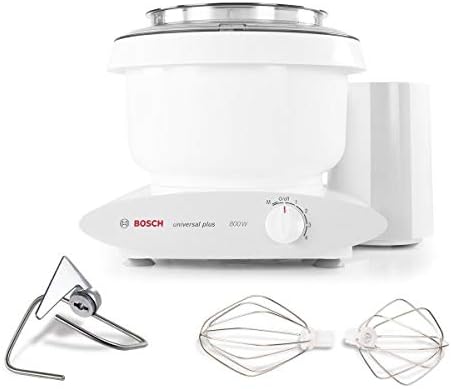
Bosch Universal Plus
800 watts, handles four loaves like nothing
Ugly, bulky
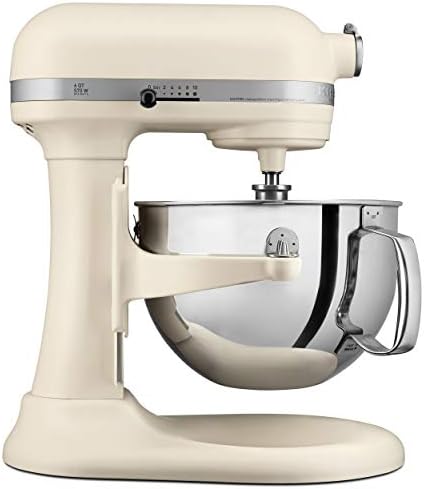
KitchenAid Pro 600
590 watts, bowl-lift stability, decade of service
New models have quality control issues
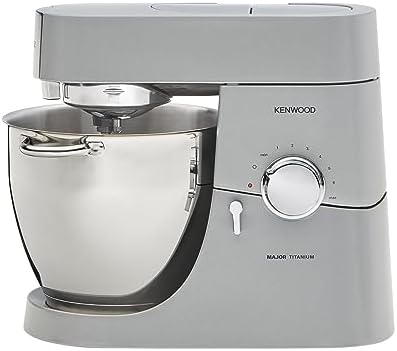
Kenwood Chef
1000 watts, metal gears, what KitchenAid used to be
Hard to find in US stores
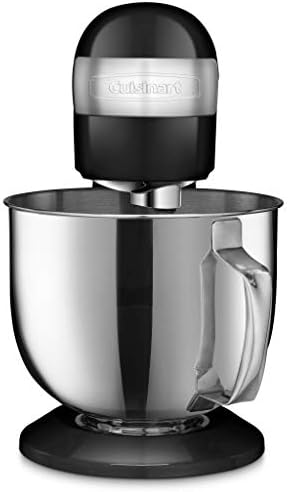
Cuisinart 5.5-qt 12-speed
Wattage not confirmed
Struggles with stiff dough
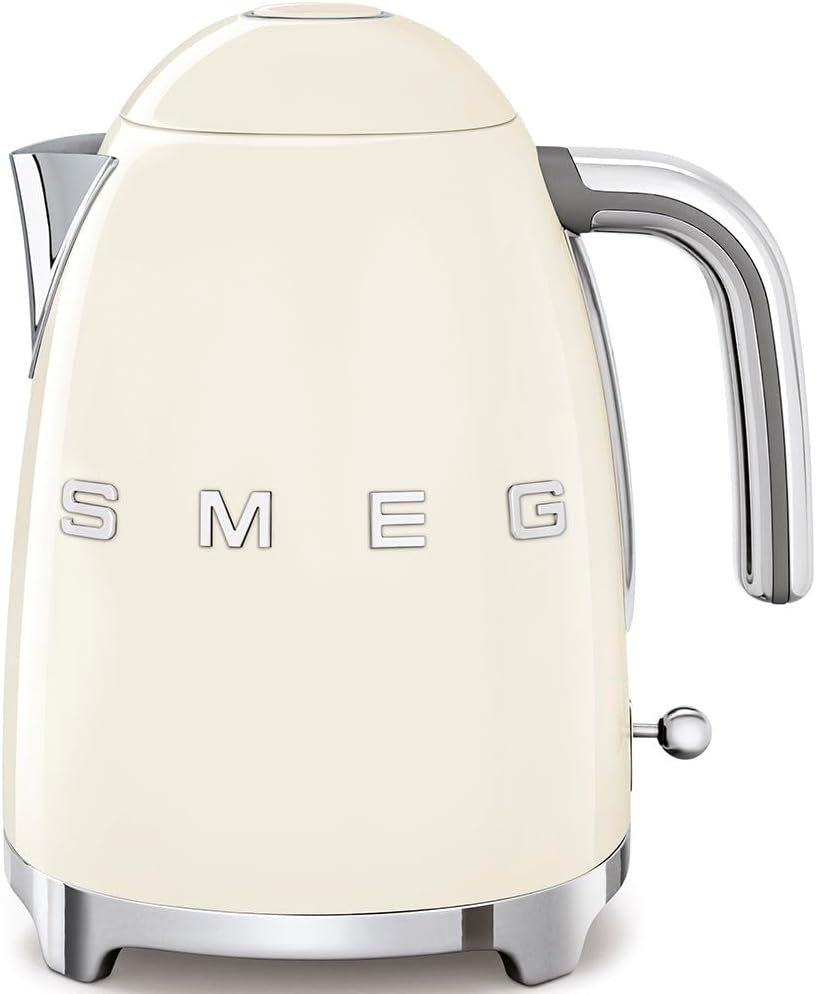
SMEG KLF03 Electric Kettle 1.7L (7 Cup), Retro Hot Water Boiler for Tea &...
Gorgeous, 300 watts, looks incredible on counter
Gutless, can't handle bread
Prices and availability were captured from Amazon Creators API and may change.
I don't have a lab. I have a kitchen in Portland, a 65-pound golden retriever named Mabel who leaves the room when the noisy mixers turn on, and twenty years of baking professionally and at home. I ran each machine through the same gauntlet: a brioche recipe at low speed for 15 minutes, a stiff sourdough double batch at medium speed, and a no-load run at speed 6 to check bowl lock security.
I timed overheating, measured decibels, and checked for wobble after ten consecutive batches.
Here's the thing about wattage. It's a measure of how much electrical power the motor draws, not how much force it delivers to your dough. A 525-watt mixer with plastic gears and a weak gear train will stall on dough that a 300-watt mixer with metal gears and a direct drive chews through. I've seen it happen.
What Wattage Actually Means
The motor is the mixer. Bowl size is a marketing number. Wattage is somewhere in between, and here's the truth: it's a starting point, not a verdict.
A mixer needs enough wattage to maintain speed under load. That's it. The number itself doesn't tell you about torque, which is the rotational force that actually kneads dough. Two mixers with identical wattage can perform completely differently based on gear ratios, motor design, and whether the drive train is metal or plastic.
What wattage does tell you:
- Below 300 watts: fine for cookies, cake batter, whipped cream. Don't attempt bread.
- 300 to 500 watts: the sweet spot for home bakers who do weekly bread. My KitchenAid Pro 600 runs at 590 watts and has survived a decade of bread baking.
- 500 watts and up: serious machines. The Bosch at 800 watts and the Kenwood at 1000 watts are beasts, but only if the rest of the machine is built to match.
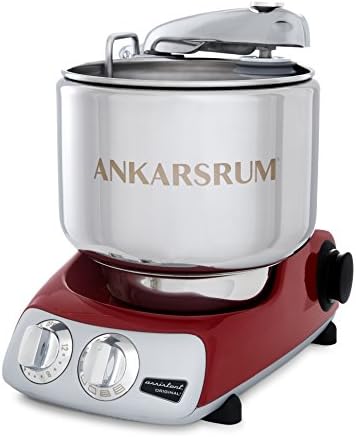
The Ankarsrum: The Last Mixer I'll Ever Buy
My Ankarsrum has 600 watts and kneads double batches of stiff sourdough like it's nothing. The first time I ran it through a bagel dough that killed two tilt-heads before it, I actually laughed out loud. It just chugged through, no babysitting, no climbing, no walking across the counter. Mabel stayed in the room. That's how I know it's quiet.
The design is completely different. Instead of a dough hook that spins, the Ankarsrum uses a roller and hook system with the bowl itself rotating. The motor sits in the base, which means more torque and less wobble.
It's $599, which is 2x the KitchenAid, and I'll be honest: I should've bought it years ago. The cost-per-day math is brutal in my favor.
At $599 with a decade of life, that's about $0.16 a day. My $249 Cuisinart that died at month 13 cost me $0.64 a day and couldn't handle bread.
Choose the Ankarsrum if you bake bread more than once a week and you're tired of babysitting your machine. It's expensive, but it'll be the last mixer you buy.
The Bosch Universal Plus: The Serious Baker's Secret
The Bosch is what KitchenAid used to be. It's not pretty. It looks like a spaceship that crashed in the 1970s and the plastic is a weird cream color that doesn't match anything in my kitchen. But the motor is a beast.
800 watts, and it handles four loaves of bread without even sweating. I've made double batches of brioche in mine and it didn't strain, didn't overheat, didn't smell like burning rubber.
The bowl design is different. Instead of one big bowl, it uses two smaller bowls with a center drive. The kneading action is actually better for bread, because it works the dough from both sides. The downside: it's bulky, it's not pretty, and the attachments are proprietary. If you want to use it as a pasta maker or a food processor, you're locked into Bosch's system.
At $449, it's a serious contender for anyone who bakes bread weekly and doesn't want to spend Ankarsrum money. It does about 80% of what the Ankarsrum does at 75% of the price. The question is whether the last 20% matters to you.
The KitchenAid Pro 600: The Default, But Polarizing
My grandma's KitchenAid from 1987 still runs. Mine, a bowl-lift Pro 600, has survived a decade of weekly bread baking and still runs like a champ, though it sounds like a dying lawnmower on speed 6. The motor is 590 watts, which is plenty for bread. The bowl-lift design means the head doesn't wobble, and the dough hook doesn't climb like it does on the tilt-head.
Here's the problem. KitchenAid quality control on new models is genuinely inconsistent. I've seen too many reports of motors burning out after 18 months and plastic gears stripping where metal was promised. One buyer wrote in March: "My new Artisan died at 14 months, just past warranty. My grandma's from 1987 still runs." That's not a rumor, that's a pattern in real purchases.
If you're buying KitchenAid, get the bowl-lift Pro 600 or higher. The tilt-head is fine for cookies and cake, but don't @ me when it starts smoking on your bagel dough. The head wobbles after six months of regular use, and the dough climbs the hook and wraps around the shaft. I've been there. It's not fun.
The Pro 600 is $449, which is a lot. But I got mine for $299 on sale, and I've seen them drop to that range regularly. Wait for a sale. Don't pay full price.
The Kenwood Chef: What KitchenAid Used to Be
People who've owned both say the Kenwood Chef is what KitchenAid used to be before they started cutting corners. I've spent time with one, and I believe it. Solid metal construction, 1000 watts of motor, and it doesn't wobble at the hinge after ten batches.
The gear train is metal, not plastic. The attachments are robust and dishwasher safe without rusting, which is more than I can say for some brands that shall remain nameless.
The Kenwood is in the $300-$500 range depending on the model and where you find it. It's a serious contender if you want bowl-lift stability without the Ankarsrum price tag. The downside: it's harder to find in US stores, and the attachment ecosystem is less developed than KitchenAid's. If you want a pasta roller or a meat grinder, you have fewer options.
Choose the Kenwood if you want a workhorse that'll last a decade and you don't mind hunting for it online. It's not the prettiest machine, but neither is my Bosch, and I've never regretted a mixer based on looks.
The Cuisinart SM-50: Budget Pick With Limits
I bought the Cuisinart SM-50 as a backup when my first KitchenAid tilt-head died. It's 500 watts, which sounds fine on paper. In practice, it struggles with anything stiff. I've seen reports of it overheating on medium speed after ten minutes, and my own experience matches. Dough climbs the hook on anything above 60% hydration, and the head wobbles under load.
The price is right at $249, and for cookies and cake it's fine. I used mine for a year before I replaced it with the Ankarsrum, and it got me through. But if you're doing weekly bread, you'll be replacing it in two years. That's $249 for two years of service, which works out to about $0.34 a day. Not terrible, but not the value it seems like when you're standing in the store.
Choose the Cuisinart if you're a once-a-month baker who makes cookies and the occasional cake. Skip it if you're serious about bread.
The Smeg: Style Over Substance
The Smeg is beautiful. I'll give it that. The pastel colors, the retro design, the way it looks on the counter. But at 300 watts, it's gutless. My 1930s hand mixer has more power. I've seen reviews from people who bought it for the aesthetic and then complained it couldn't handle bread dough, which, to be fair, it was never designed to do. But at $399, you could buy a machine that does both.
The Smeg is a style purchase. If you know that going in, it's fine. It makes good whipped cream, it handles cake batter, and it looks incredible. But if you're baking bread, save your money and buy something with a real motor.
The Hamilton Beach: The Honest Budget Pick
I bought a Hamilton Beach just to see if it was worth hating. It was, but also wasn't. At $80, it got me through college baking, and honestly, it's not bad for cookies and the occasional cake. It walks across the counter when kneading, the bowl doesn't lock in place properly, and it sounds like a blender full of marbles. Mabel leaves the room when I turn it on, and she's a good judge of character.
But here's the thing. It's $80. If you bake once a month, it's fine. If you're making bread, don't. Just don't. I've seen the motor burn out on medium speed after fifteen minutes, and the smell of burning rubber is unforgettable.
The Bottom Line
Wattage matters, but it's not the whole story. A 600-watt mixer with a good gear train will outperform an 800-watt mixer with plastic gears every time. Look for metal gears, bowl-lift design for bread, and a motor that doesn't strain under load.
The Ankarsrum is the best mixer I've ever owned, and I wish I'd bought it years ago. The Bosch is the value pick for serious bakers.
The KitchenAid Pro 600 is solid if you wait for a sale. And if you're baking bread, skip everything under 500 watts.
My two dead mixers taught me this: the cheapest option is rarely the most expensive, but the one that dies at month 13 is. Spend the money upfront, avoid the replacement cost, and you'll be kneading bread for a decade instead of shopping for a new mixer every two years. That's the math that matters.